Best Hojicha Powder: A Buyer's Guide to Roasted Japanese Green Tea
Share
Best Hojicha Powder: A Buyer's Guide to Roasted Japanese Green Tea
Hojicha—a roasted Japanese green tea—has grown in popularity for its comforting aroma, mellow flavor, and versatility. If you’re seeking the best hojicha powder for your daily ritual, understanding what sets premium hojicha apart is key. This guide explores origins, quality markers, flavor profiles, and what to look for when buying hojicha tea powder, so you can confidently enjoy this unique Japanese tea at home.
What Is Hojicha Powder?
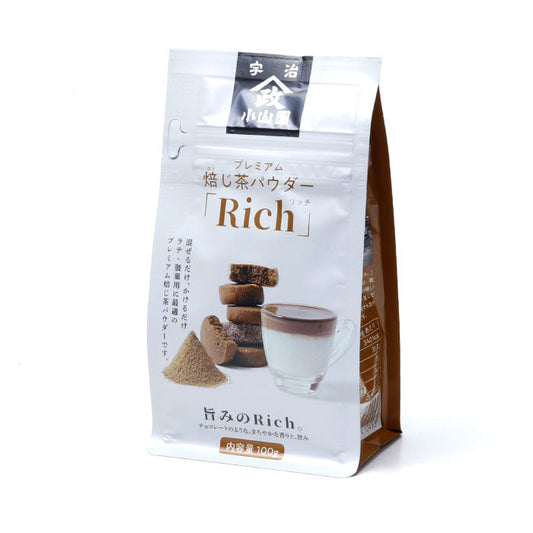
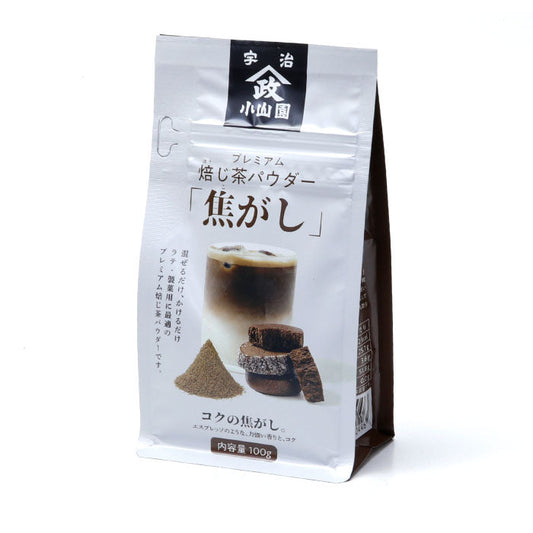
Hojicha powder is made by finely grinding roasted Japanese green tea leaves into a smooth, aromatic powder. Unlike traditional matcha, which is made from unroasted leaves, hojicha is crafted from tea leaves that have been carefully roasted at high temperatures. This roasting process imparts a toasty, caramel-like aroma and a gentle, naturally sweet flavor with little bitterness. Because of its low caffeine content, hojicha powder is ideal for afternoon or evening enjoyment and is a favorite in both traditional tea ceremonies and modern recipes.
How Hojicha Is Made: Tradition Meets Innovation
The roots of hojicha tea powder trace back to Kyoto in the 1920s, when tea artisans sought to create a soothing, approachable green tea by roasting bancha or sencha leaves. Today, premium hojicha is still crafted using time-honored techniques. Leaves are roasted in small batches, then carefully stone-milled into a fine powder. The result is a tea that captures both the spirit of Japanese tea culture and the innovation of contemporary tea artisans. For those seeking organic hojicha, look for powders sourced from certified organic farms in Japan, where sustainable cultivation practices preserve the tea’s purity and flavor.
Choosing the Best Hojicha Powder: What to Look For
When searching for the best hojicha powder, consider these quality markers:
- Source: Authentic hojicha powder should be grown and processed in Japan, ideally in regions renowned for tea, like Uji or Shizuoka.
- Roast Level: Look for a balanced roast—neither too light nor too dark—to ensure a harmonious flavor profile with notes of toasted nuts, caramel, and gentle earthiness.
- Texture: High-quality hojicha powder is finely milled, resulting in a smooth, clump-free consistency that whisks easily into hot water or milk.
- Color: The powder should have a warm chestnut or light brown hue, indicating proper roasting without charring.
- Certification: For those who prioritize purity, organic hojicha ensures the tea is free from synthetic pesticides and fertilizers.
Flavor Profiles: Enjoying Hojicha in Different Ways
Hojicha powder’s versatility makes it a staple in Japanese kitchens and cafés alike. Its mild, roasted flavor pairs beautifully with dairy and plant-based milks, making it perfect for hojicha lattes. The powder is also a popular choice for baking, adding depth to cookies, cakes, and ice cream. Whether you enjoy it as a simple hot tea or as a cozy latte, choosing the best hojicha powder ensures a rewarding sensory experience.
Where to Buy Authentic Hojicha Powder
For those seeking an authentic, high-quality hojicha experience, it’s essential to purchase from trusted sources that prioritize freshness and traceability. Ujicha Matcha offers a curated selection of premium Japanese hojicha powders, sourced directly from tea-growing regions and shipped fresh from California. Their offerings include both classic and organic varieties, allowing you to choose the perfect match for your ritual.
FAQ: Best Hojicha Powder
- What is the difference between hojicha powder and matcha?
- Matcha is made from shade-grown, unroasted green tea leaves, while hojicha powder is made from roasted leaves, giving it a toasty, mellow flavor and lower caffeine content.
- Is hojicha powder caffeinated?
- Hojicha powder contains less caffeine than most green teas, making it suitable for late-day drinking or those sensitive to caffeine.
- Can I use hojicha powder in recipes?
- Yes, hojicha powder is versatile and can be used in lattes, baking, desserts, and even smoothies for a rich, roasted flavor profile.
- How should I store hojicha powder?
- Store hojicha powder in an airtight container, away from light, heat, and moisture to preserve its aroma and freshness.
- What makes organic hojicha different?
- Organic hojicha is made from tea leaves cultivated without synthetic pesticides or fertilizers, ensuring a pure and environmentally conscious product.
Conclusion: Enjoying the Best Hojicha Powder
Choosing the best hojicha powder is about more than just flavor—it’s about connecting with a tradition rooted in Japanese tea culture and finding a tea that fits your lifestyle. By prioritizing quality, origin, and freshness, you can enjoy the mellow, roasted depth of hojicha in your favorite rituals. Explore the world of hojicha with confidence, knowing you’re savoring an authentic taste of Japan in every cup.