Best Organic Matcha Powder: A Buyer's Comparison Framework
Share
Best Organic Matcha Powder: A Buyer's Comparison Framework
When it comes to elevating your daily rituals, choosing the best organic matcha powder is essential. As matcha’s popularity grows among wellness-minded individuals, discerning the differences between varieties can be challenging. This guide offers a clear, expert-backed framework for comparing organic Japanese matcha so you can confidently select a powder that aligns with your values for quality, authenticity, and mindful enjoyment.
Understanding Organic Japanese Matcha
Organic matcha is celebrated for its purity and adherence to strict agricultural standards. Organic Japanese matcha is cultivated without synthetic pesticides or fertilizers, preserving the integrity of both the tea and the environment. Japan’s leading matcha regions—Uji, Nishio, and Kagoshima—are known for their rich soils and centuries-old cultivation techniques. When searching for the best organic matcha powder, always verify the authenticity and origin, as true organic matcha tea from Japan carries both a legacy and a guarantee of quality.
What Defines the Best Quality Matcha?
Several factors distinguish the best quality matcha:
- Color: Vibrant, bright green powder signals freshness and high chlorophyll content.
- Aroma: Fresh, grassy, sweet notes with no bitterness or staleness.
- Texture: Ultra-fine and silky, easily whisked into a creamy froth.
- Flavor Profile: Balanced umami, natural sweetness, and gentle vegetal notes—never harsh or astringent.
- Grade: Ceremonial grade is best for traditional whisked matcha; culinary grade is suitable for recipes.
Authentic organic matcha tea from Japan undergoes meticulous shading, hand-picking, and stone-grinding, resulting in a superior product ideal for mindful sipping.
How to Compare Organic Matcha Powders
To select the best organic matcha powder, consider these criteria:
- Origin: Seek out Japanese matcha from renowned regions. Uji and Nishio are especially prized.
- Certification: Look for credible organic certifications from both Japan and your home country.
- Harvest: First harvest (ichibancha) offers the most delicate flavor and highest nutrient content.
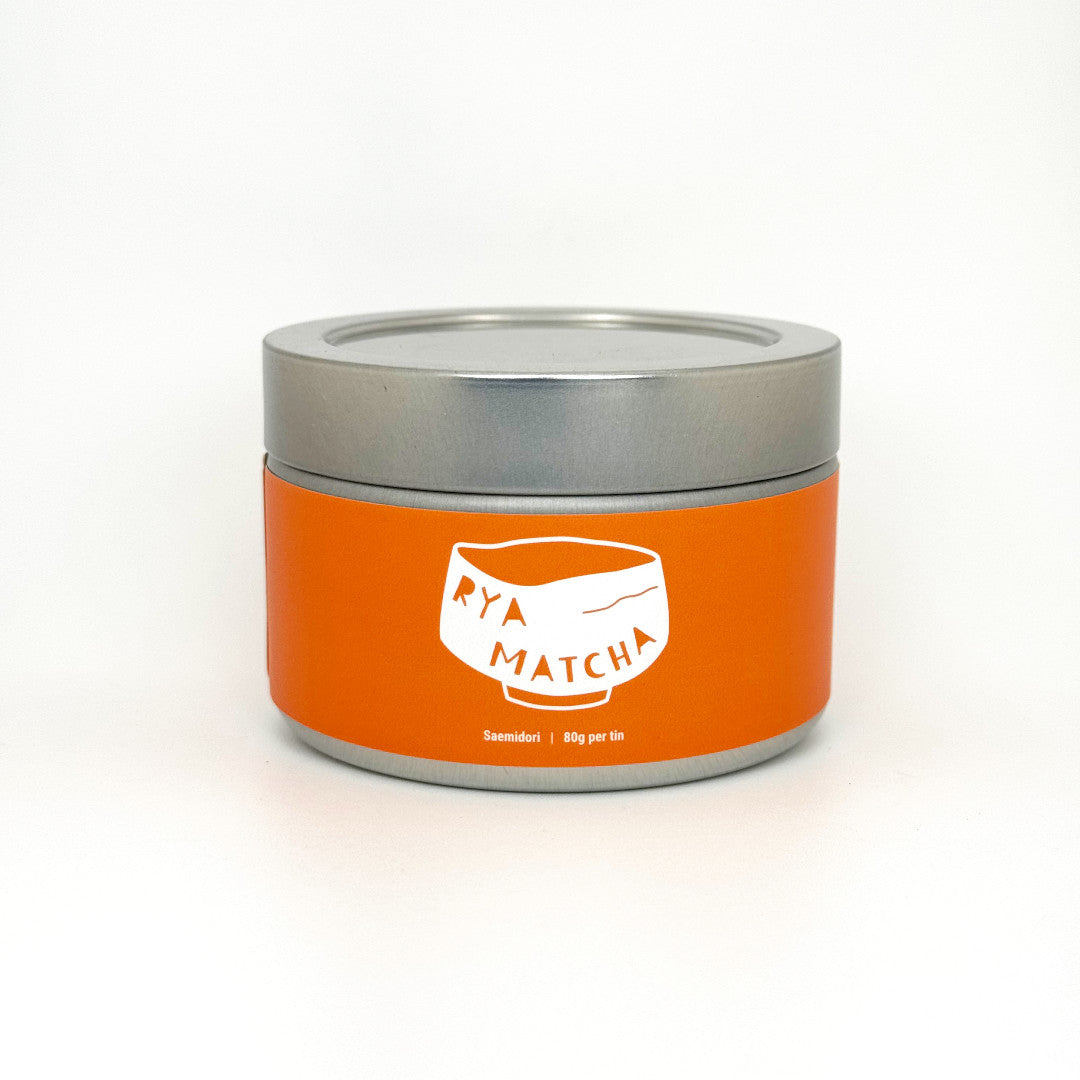
- Packaging: Airtight, lightproof containers preserve freshness and prevent oxidation.
- Transparency: Trust brands that provide detailed sourcing and production information.
By focusing on these aspects, you’ll be better equipped to distinguish truly premium organic matcha from lower-quality options.
The Importance of Authenticity and Freshness
Freshness is vital in matcha. Japanese matcha is milled to order and shipped promptly, ensuring a vibrant flavor and optimal nutritional value. Beware of stale or blended powders, as these often lack the distinctive qualities of authentic, fresh matcha. Choosing a trusted supplier—one who sources directly from Japanese farms and offers transparent information—guarantees you’ll experience matcha as it is meant to be enjoyed.
Where to Buy the Best Organic Matcha Powder
For those seeking a reliable source of best organic matcha powder, it’s crucial to buy from a brand that values quality, authenticity, and direct relationships with Japanese farmers. Ujicha Matcha offers a curated selection of organic Japanese matcha, sourced directly from esteemed regions and shipped fresh to your door. This ensures every bowl you prepare reflects the tradition, care, and excellence of Japan’s matcha heritage.
Frequently Asked Questions
- What is the difference between ceremonial and culinary grade matcha?
- Ceremonial grade is made from the youngest, highest-quality leaves and is intended for traditional whisked preparation. Culinary grade is more robust, suitable for blending into recipes.
- How can I tell if my matcha is truly organic?
- Check for official organic certifications and ensure the product is sourced directly from Japan. Reputable brands display this information clearly.
- Does organic matcha have health benefits?
- Organic matcha retains antioxidants and nutrients. While it can be part of a balanced lifestyle, benefits may vary by individual and should not replace medical advice.
- How should I store my matcha powder?
- Keep matcha in an airtight, opaque container in a cool, dry place away from light to preserve freshness and flavor.
- Is organic Japanese matcha suitable for lattes and smoothies?
- Yes, both ceremonial and culinary grades of organic Japanese matcha can be used in beverages and recipes, though flavor and color may vary.
Conclusion
Finding the best organic matcha powder involves considering origin, freshness, transparency, and traditional production methods. By focusing on authentic organic matcha tea from Japan and purchasing from a trusted source like Ujicha Matcha, you’ll enjoy a mindful, high-quality matcha experience that honors centuries of tea culture. Let your daily ritual reflect your values for quality, wellness, and authenticity.