Bitter Matcha Fix: How to Improve Matcha Taste and Avoid Common Mistakes
Share
Bitter Matcha Fix: How to Improve Matcha Taste and Avoid Common Mistakes
Matcha’s vibrant, complex flavor is beloved by tea enthusiasts, but sometimes a cup can taste unexpectedly bitter. If you’re seeking a reliable bitter matcha fix, you’re not alone. Understanding why matcha turns bitter and how to correct it will help you craft a smoother, more enjoyable cup—while deepening your appreciation for this cherished Japanese tradition.
Understanding Matcha’s Flavor: Why Does Matcha Taste Bitter?
High-quality matcha is prized for its delicate umami, gentle sweetness, and subtle vegetal notes. However, bitterness can arise from several factors. Overly strong matcha, incorrect preparation, or lower-grade tea can all contribute to a less-than-pleasant taste. Recognizing the root causes is the first step toward a proper bitter matcha fix.
Common Matcha Mistakes That Cause Bitterness
- Water temperature too high: Using boiling or very hot water can extract tannins, making your matcha too strong and bitter.
- Too much matcha powder: Over-measuring matcha leads to an overpowering taste. For usucha (thin tea), 1 to 2 grams (about ½ to 1 teaspoon) per 60–70 ml (2–2.5 oz) water is ideal.
- Low-quality or culinary-grade matcha: Premium ceremonial matcha is smoother and less astringent than culinary grades.
- Improper whisking: Incomplete mixing can leave clumps, resulting in a harsh sip.
Step-by-Step Bitter Matcha Fix
Follow these expert techniques to improve matcha taste and enjoy a perfectly balanced cup:
1. Use the Right Water Temperature
Heat water to 70–80°C (158–176°F). Too-hot water is the most common matcha mistake, leading to excess bitterness. Let boiled water cool for 2–3 minutes before pouring over your matcha.
2. Measure Matcha Carefully
Start with 1 gram (about ½ teaspoon) for a lighter, smoother cup. Adjust to taste, but be cautious—more isn’t always better if you’re sensitive to bitterness.
3. Sift Your Matcha
Sifting breaks up clumps for even mixing, helping avoid bitter pockets and achieving a creamy texture.
4. Whisk Properly
Use a bamboo chasen (whisk) in an M- or W-shaped motion until a fine froth forms. Proper whisking blends the matcha smoothly, distributing flavor and minimizing harshness.
5. Choose High-Quality Matcha
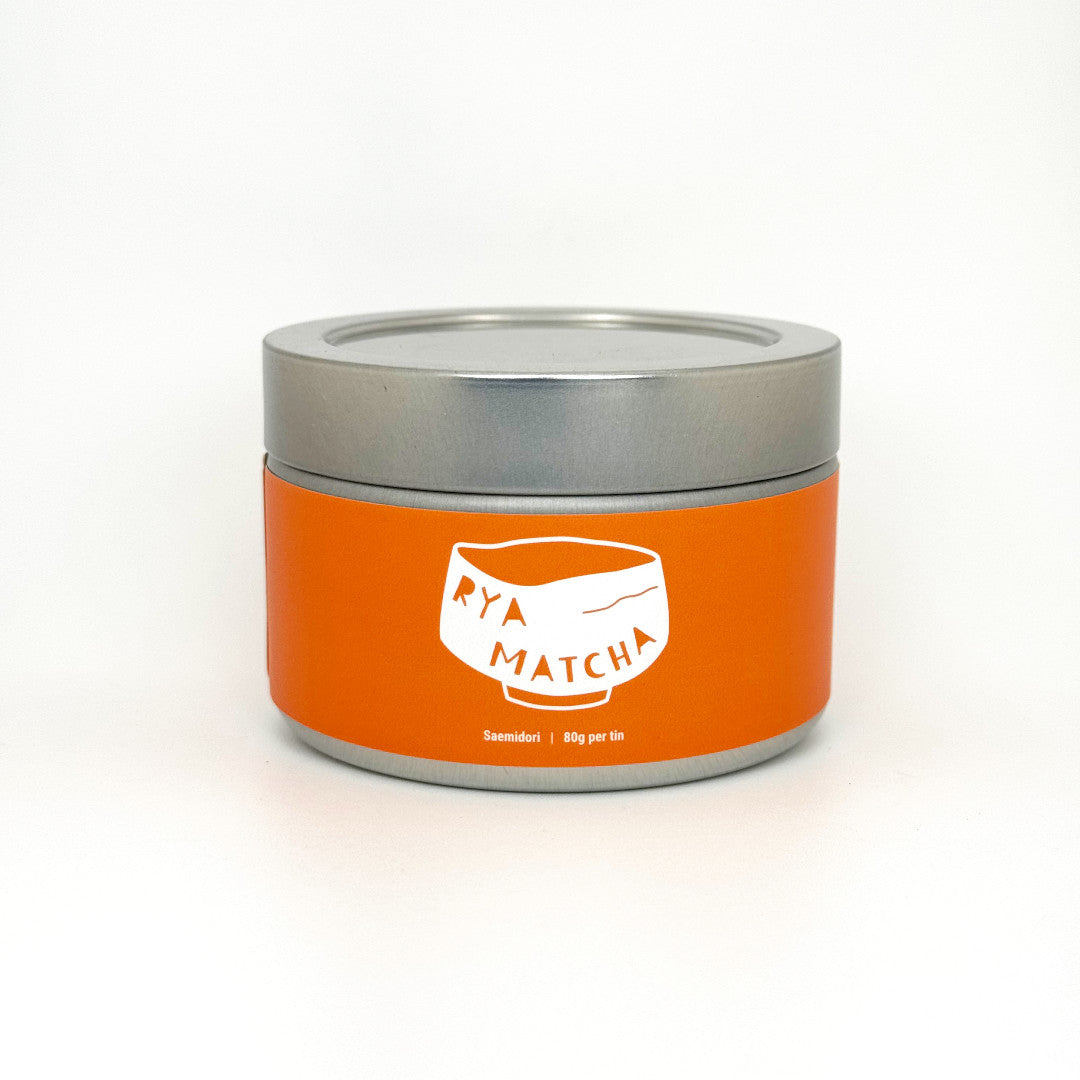
Opt for ceremonial-grade matcha from trusted Japanese producers. Higher quality means more umami and less bitterness. For premium options, explore our carefully sourced matcha collection—each variety is tested for freshness and flavor integrity.
Enhancing Flavor: Additional Tips to Improve Matcha Taste
- Experiment with ratios: If your matcha is too strong, add more water or use less powder.
- Cold preparation: Try cold-whisking matcha for a refreshing, milder taste.
- Add plant-based milk: For a creamy matcha latte, unsweetened oat or almond milk can mellow bitterness.
- Sweeten mindfully: If desired, add a touch of raw honey or agave—but use sparingly to preserve traditional flavors.
FAQ: Bitter Matcha Fix
- Why does my matcha taste so bitter?
- Common causes include overly hot water, too much powder, or lower-grade matcha. Adjusting preparation techniques often solves the issue.
- Is bitterness a sign of bad matcha?
- Not always. Some astringency is natural, but persistent bitterness may indicate culinary-grade or stale matcha rather than premium ceremonial grade.
- Can I fix bitter matcha after it’s made?
- You can dilute it with more water or blend with milk for a latte. Adjusting future preparation steps yields the best results.
- What is the best water temperature for matcha?
- 70–80°C (158–176°F) preserves flavor and reduces bitterness. Avoid boiling water.
- Does adding sweetener help?
- A small amount can mellow bitterness, but starting with proper technique and quality matcha is most effective.
Conclusion: Your Guide to a Smooth Bitter Matcha Fix
A great cup of matcha is a mindful ritual—one that rewards attention to detail. With these bitter matcha fix techniques, you can avoid common matcha mistakes and improve matcha taste for a satisfying, authentic experience. Remember, choosing high-quality matcha and refining your preparation are the keys to unlocking rich umami and gentle sweetness. For expertly curated Japanese matcha, Ujicha Matcha offers trusted options to elevate your daily ritual.