
-
Yomo no Kaori
Vendor:Yamamasa KoyamaenRegular price From $21.59 USDRegular priceUnit price per -
Shikibu no Mukashi
Vendor:Yamamasa KoyamaenRegular price From $33.59 USDRegular priceUnit price per -
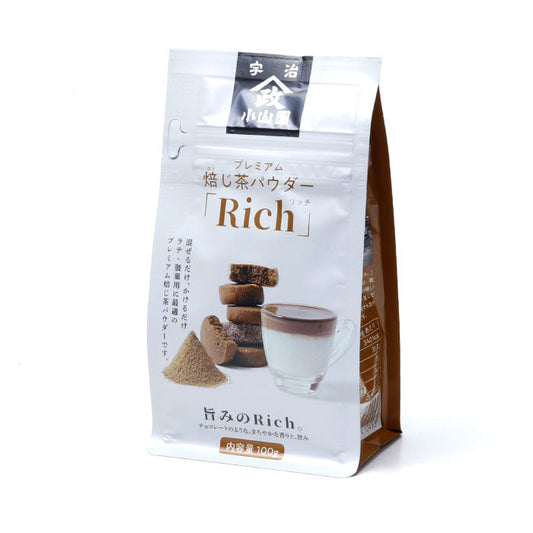
Yamamasa Koyamaen Hojicha Powder - Rich
Vendor:Yamamasa KoyamaenRegular price $19.99 USDRegular priceUnit price per -
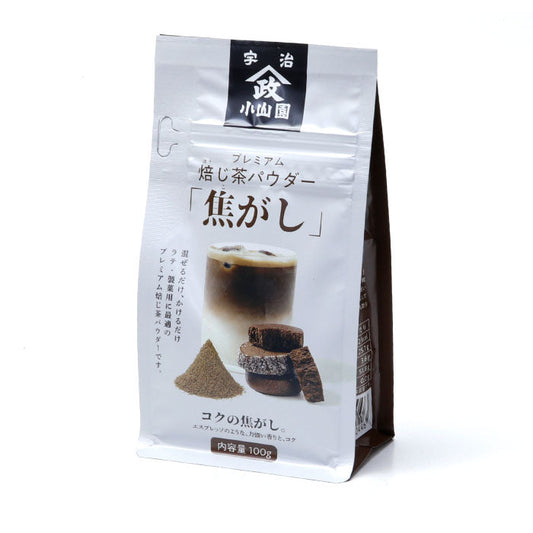
Yamamasa Koyamaen Hojicha Powder - Bitter
Vendor:Yamamasa KoyamaenRegular price $14.99 USDRegular priceUnit price per -
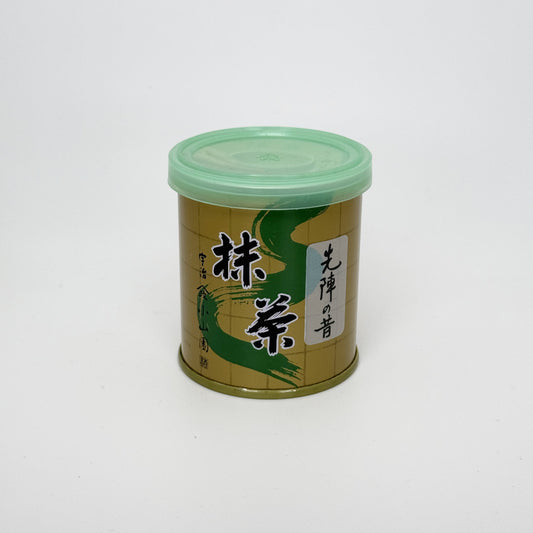 Sold out
Senjin-no-Mukashi
Vendor:Yamamasa KoyamaenRegular price From $40.59 USDRegular priceUnit price per -
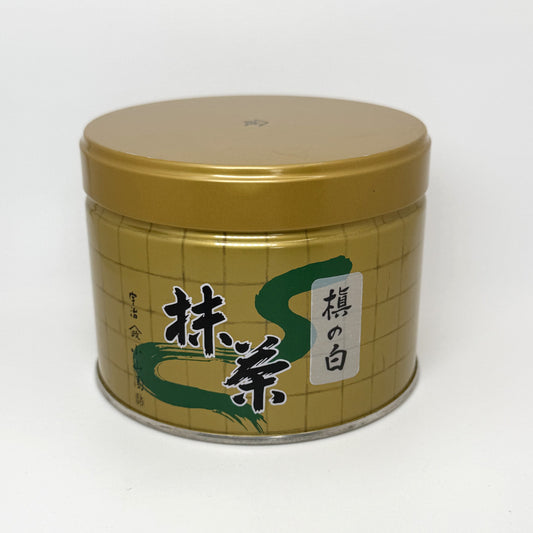 Sold out
Maki no Shiro
Vendor:Yamamasa KoyamaenRegular price From $44.59 USDRegular priceUnit price per -
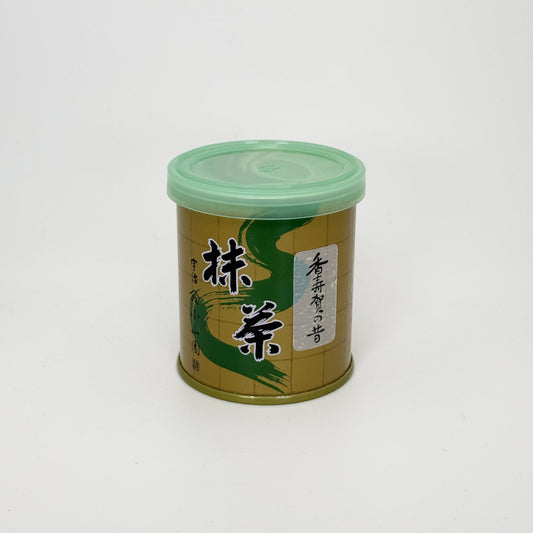 Sold out
Kasuga no Mukashi
Vendor:Yamamasa KoyamaenRegular price $119.99 USDRegular priceUnit price per -
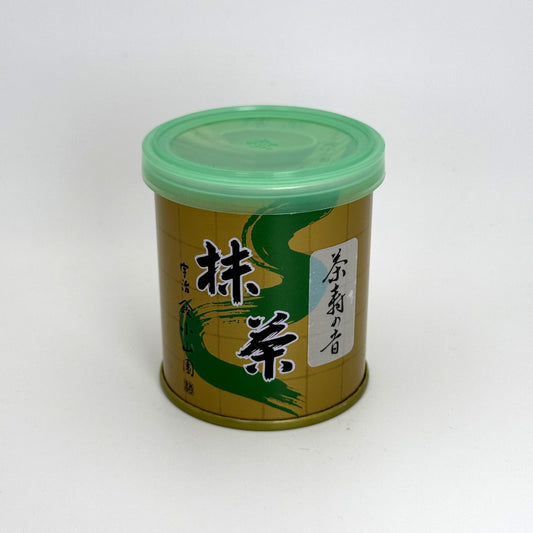 Sold out
Chajyu no Mukashi
Vendor:Yamamasa KoyamaenRegular price $179.99 USDRegular priceUnit price per -
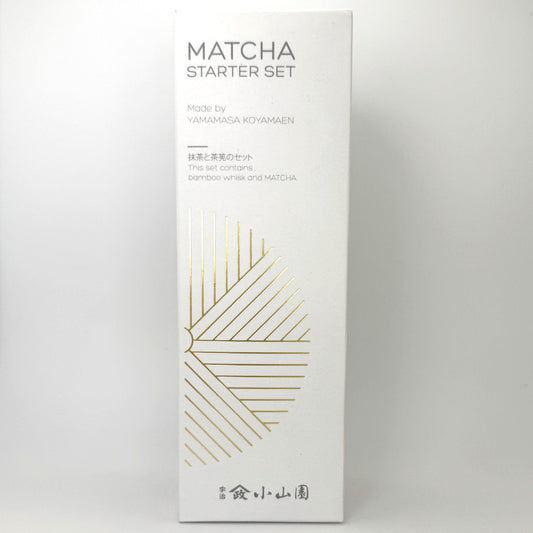
Yamamasa Koyamaen - Matcha Starter Set
Vendor:Yamamasa KoyamaenRegular price $39.99 USDRegular priceUnit price per$54.99 USDSale price $39.99 USDSold out -
 Sold out
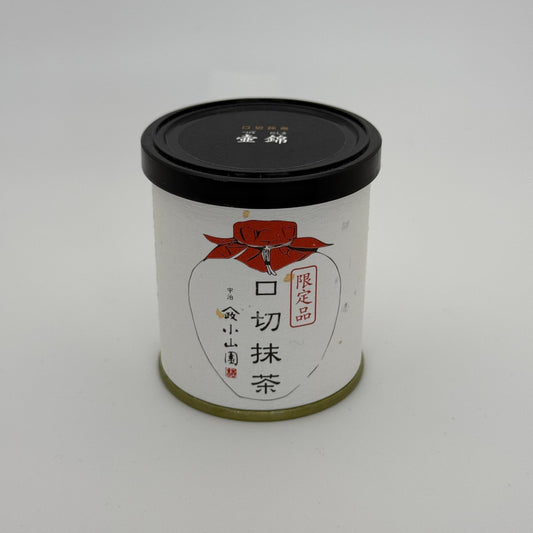
Kuchikiri Matcha Tsubo Nishiki
Vendor:Yamamasa KoyamaenRegular price $39.99 USDRegular priceUnit price per


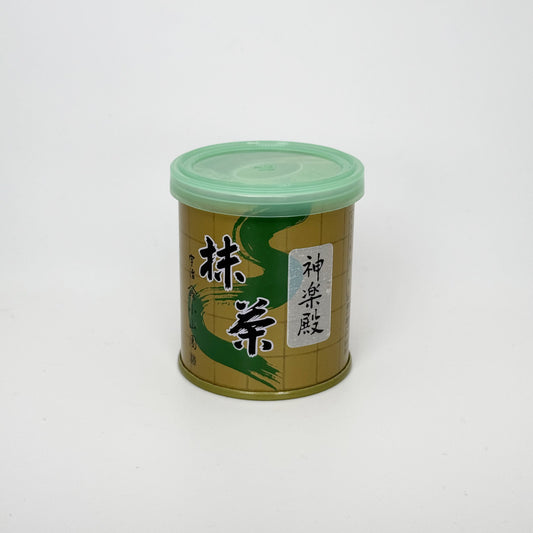

Yamamasa CEO
What Is Yamamasa Koyamaen?
The Yamamasa Koyamaen family started as Uji tea farmers in the early Edo period, formally founding the company in 1861 as a tea manufacturer and wholesaler.. After the abolition of the Tokugawa shogunate’s tea-master licensing system, their founder Masajirō Koyama launched a wholesale tea business. Since then, they have pursued an integrated approach—from cultivating tea to producing matcha—and have also succeeded in developing excellent cultivars.
From long ago Yamamasa Koyaamen has prioritized tea’s inherent deliciousness—what they call “shōmi-hinshitsu” (gustatory quality)—and they hold to the credo “Taste First.” By combining traditional craftsmanship with rational production and trade practices, they deliver the best possible quality at a fair price.
For Yamamasa Koyamaen, “Taste First” is a guiding philosophy that shapes every aspect of their production and business decisions. It reflects a deliberate commitment to prioritize flavor and quality above all else—even when doing so increases costs. This means investing in superior packaging and storage to preserve freshness, allocating a greater portion of resources to raw materials rather than marketing, and maintaining a streamlined organizational structure so more can be devoted to the tea itself. Because matcha is a luxury beverage, Yamamasa Koyamaen believes it must be genuinely delicious to hold meaning. “Taste First” captures this core principle: a dedication to crafting matcha of exceptional flavor through thoughtful choices at every step.
Yamamasa Koyamaen is one of Uji’s most respected long-established matcha producers, known for its deep commitment to tradition and uncompromising quality. The company maintains its own tea gardens in Uji, which serve as a foundation for preserving cultivation techniques, conducting agricultural research, and establishing quality standards that guide their long-term partner farmers.
While these gardens play an important role in upholding Yamamasa Koyamaen’s tea-making philosophy, the majority of their raw tea leaves come from trusted multigenerational partner farmers in Uji with whom they operate under full-purchase relationships. In recent years, procurement through the Uji tea market has also become an essential part of meeting growing demand.
As a matcha manufacturer, Yamamasa Koyamaen’s core expertise lies in careful leaf selection, blend design, stone-milling, and rigorous quality control—processes that shape the aroma, flavor, and character of their matcha. At the same time, the company has long been closely connected to the cultural world of Japanese tea ceremony. This relationship is reflected in the 17 original tea names (chamei) they have been entrusted with over generations. A chamei embodies the philosophy, aesthetics, seasonal sensibility, and practice of a tea school. Producing such teas signifies long-term trust, cultural understanding, and consistent craftsmanship. Rather than a mark of authority, this connection highlights Yamamasa’s role as a supportive partner within the broader world of tea ceremony.

Uji — History and Tradition
In Uji, a region with a long and storied history, efforts to improve quality and refine technique have continued since long before its fame was established, and those traditions are still carried forward today through steady, daily work. Beyond its favorable natural conditions—climate and soil—the historical role of supplying tea to the Imperial Household and the Shogunate also attests to the high quality of Uji matcha.
They inherit this tradition at Yamamasa Koyamaen, producing matcha with proven skill and experience. In addition, by building robust, long-term procurement relationships with many growers, they secure high-quality raw leaves and provide matcha of consistently stable quality throughout the year.

Yamamasa Koyamaen Matcha (Selection, Method, and Policy)
In selecting raw tea (tencha), Yamamasa Koyamaen rigorously evaluates the leaf color, the liquor (infusion) color, taste, and the color and aroma of the spent leaf. After grinding into matcha, they also examine powder color, aroma, taste, and fineness with equal strictness.
For raw tea (tencha) they use leaves produced under meticulous fertilization and cultivation management, sourced from their own gardens as well as from long-standing partner growers. Drawing on traditional know-how, they carefully assess each batch and compose flavor by bringing out the strengths of each cultivar in color, aroma, and taste.
Tencha is stone-milled to order with care, and the finished matcha is packed (in bags or tins) under controlled temperature and humidity, so that it reaches customers as fresh as possible. Their products do not use additives—no chemically synthesized food additives, no non-synthetic food additives that lack labeling requirements, and no stabilizers or other secondary ingredients—so the natural flavor of tea is preserved.
It is often said that every maker has its own house flavor profile. If they were to put theirs into words, Yamamasa Koyamaen’s profile is defined by the fresh fragrance of young buds together with a toasty note derived from the relatively high drying temperature during primary (ara-cha) processing.

Ceremonial Matcha
The Yamamasa Koyamaen brand offers twelve ceremonial (tea-ceremony) drinking grades, ranging from top to standard, each with its own tea name (chamei). As a rule, we do not impose artificial, exaggerated flavor “personalities” on each name; rather, for every product we manufacture under the principles stated above, with the responsibility that it is a Yamamasa Koyamaen matcha.
Overall differences in taste
As you may know, the higher the grade, the more fragrant the aroma, the smoother the taste, the lower the astringency, the richer the umami (sweetness), and the cleaner the finish. In general, higher-priced grades provide a more satisfying matcha experience. This is because higher grades use raw leaves that require greater care and labor—notably fertilization and shading.
Matcha naturally contains catechins and L-theanine, ingredients often appreciated for their calming and antioxidant properties — not intended for medical use. While fertilization is a given, note that theanine—the source of umami in tea—converts to catechin (astringency) under sunlight. Therefore, leaves that are well shaded retain more theanine and deliver more abundant umami.