Ceremonial Matcha Powder: A Buyer's Guide to Cultivars and Pricing
Share
Ceremonial Matcha Powder: A Buyer's Guide to Cultivars and Pricing
Ceremonial matcha powder stands as the pinnacle of Japanese tea culture—a vibrant green tea prized for its flavor, ritual, and tradition. For young, quality-driven buyers, understanding what makes ceremonial matcha unique, how cultivars and origin impact taste, and how pricing reflects quality is essential. This guide will demystify the world of ceremonial matcha, helping you make informed choices for your daily ritual or special occasions.
What Defines Ceremonial Matcha Powder?
At its core, ceremonial matcha powder is made from the youngest, most tender leaves of the Camellia sinensis plant. These leaves are shade-grown in the weeks before harvest—a process that increases chlorophyll, amino acids (particularly L-theanine), and sweetness. After careful handpicking, leaves are steamed, dried, and stone-ground into a fine, vibrant powder. The result is a tea designed for traditional Japanese tea ceremonies: smooth, umami-rich, and free from bitterness.
Understanding Japanese Ceremonial Matcha: Cultivars and Regions
The character of Japanese ceremonial matcha is deeply influenced by its cultivar—the specific tea plant variety—and the region where it is grown. Widely respected cultivars include Yabukita, Okumidori, Samidori, and Asahi. Each brings unique notes and textures:
- Yabukita: Balanced, classic, and widely grown, favored for its bright green color and umami.
- Okumidori: Smooth with a round sweetness and delicate aroma, often used in premium ceremonial grades.
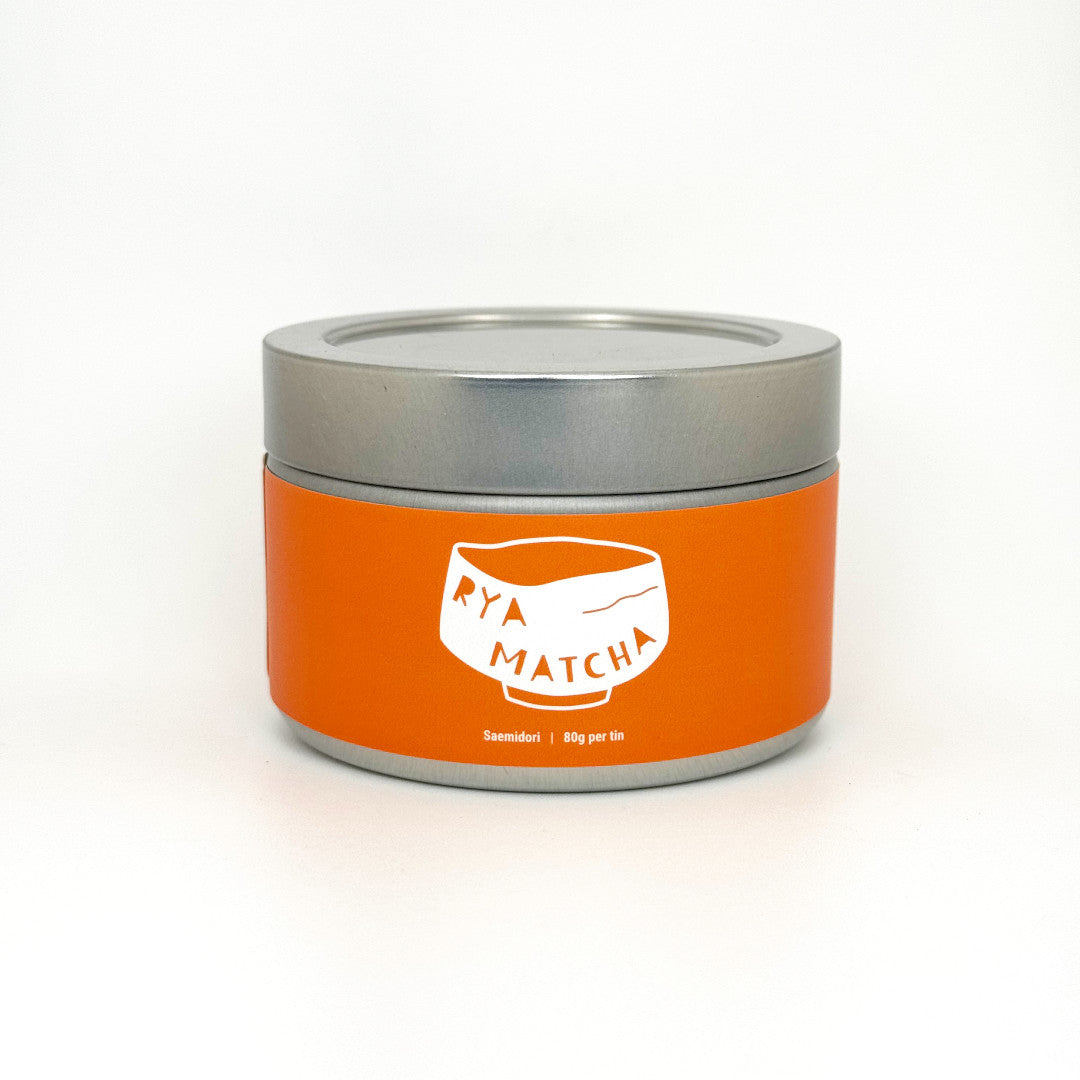
- Samidori: Deep emerald hue and subtle, nuanced flavor, prized in Kyoto's Uji region.
- Asahi: Rare and highly sought after, offering complex, creamy sweetness and minimal astringency.
Regions such as Uji (Kyoto), Nishio (Aichi), and Kagoshima each contribute terroir-influenced flavors, from grassy and fresh to subtly floral or nutty. Understanding cultivars and regions helps buyers appreciate the rich diversity within ceremonial matcha from Japan.
Grades of Matcha Green Tea: What to Look For
Not all matcha is created equal. Grades of matcha green tea generally fall into ceremonial, premium, and culinary categories. Ceremonial matcha is the highest quality, intended to be enjoyed whisked with water alone, highlighting its delicate sweetness and creamy texture. Premium grade can be used for daily drinking or lattes, while culinary grade is best for cooking and baking.
Key indicators of high-quality ceremonial matcha powder include:
- Vivid, bright green color
- Fine, silky texture
- Sweet, fresh, and umami-rich aroma
- Absence of bitterness or gritty aftertaste
How Pricing Reflects Quality in Ceremonial Matcha
Pricing for ceremonial matcha powder varies depending on origin, cultivar, harvesting method, and freshness. Higher prices often reflect meticulous cultivation, hand-harvesting, and small-batch stone grinding. While good matcha is an investment, it rewards with a nuanced, satisfying experience. Authentic ceremonial matcha from Japan, especially from respected regions and producers, tends to command a premium—yet provides exceptional flavor and quality.
Where to Buy Authentic Ceremonial Matcha Online
For buyers seeking true quality and peace of mind, sourcing matcha ceremonial online from a trusted, transparent supplier is essential. Look for brands that clearly state origin, cultivar, and grade, and who ship fresh matcha directly to you. Ujicha Matcha offers a curated collection of ceremonial matcha powder, sourced directly from renowned Japanese tea farms and shipped fresh from California—ensuring authenticity, freshness, and traceability.
FAQ: Ceremonial Matcha Powder
-
What makes ceremonial matcha powder different from culinary matcha?
Ceremonial matcha powder is made from the youngest leaves, is sweeter and smoother, and is intended for traditional preparation, unlike culinary matcha which is designed for recipes. -
How should I prepare ceremonial matcha?
Use a bamboo whisk to blend 1–2 grams of matcha powder with 60–80 mL of hot water (not boiling) for a smooth, frothy drink. -
What does the color of matcha indicate?
Vivid green color signals freshness and high quality, while dull or yellowish hues can indicate lower grades or oxidized powder. -
Can I use ceremonial matcha in lattes?
Yes, but its delicate flavors are best appreciated alone. For lattes, you may prefer premium or daily grades. -
How should ceremonial matcha be stored?
Keep matcha in an airtight container, away from light, heat, and moisture to preserve freshness and flavor.
Conclusion: Choosing the Right Ceremonial Matcha Powder
For those seeking an authentic and enriching tea experience, understanding the nuances of ceremonial matcha powder—from cultivar and region to grades and pricing—empowers you to select the best matcha for your needs. By choosing a trusted source like Ujicha Matcha, you ensure quality, freshness, and a true taste of Japanese tea tradition in every cup.