Does Matcha Stain Teeth? Understanding Matcha and Oral Health
Share
Does Matcha Stain Teeth? Understanding Matcha and Oral Health
For those who cherish their daily bowl of matcha, a common concern often arises: does matcha stain teeth? As matcha’s popularity grows among wellness-focused individuals, understanding its effects on teeth becomes increasingly relevant. This article explores the relationship between matcha and dental health, addressing stains, oral benefits, and practical tips for enjoying matcha while maintaining a bright, healthy smile.
What Causes Teeth Stains?
Teeth staining typically results from pigments called chromogens found in foods and beverages. These pigments can adhere to tooth enamel, especially when combined with substances like tannins and acids. Coffee, black tea, and red wine are well-known for their staining potential due to their deep color and high tannin content.
Does Matcha Stain Teeth Like Coffee or Tea?
The question—does matcha stain teeth—is nuanced. Matcha, a vibrant green tea powder, differs significantly from traditional black tea and coffee. While matcha contains natural pigments (chlorophyll and catechins), it is lower in tannins compared to black tea. Tannins are largely responsible for stubborn teeth stains. As a result, matcha is generally less likely to cause noticeable staining than coffee or black tea. However, consuming matcha regularly may still lead to mild greenish tints, particularly if oral hygiene is inconsistent.
Matcha Teeth Health: More Than Just Stains
Beyond the question of stains, matcha teeth health offers a unique perspective. Matcha is rich in catechins—natural antioxidants that can help inhibit oral bacteria and support gum health. Studies indicate that green tea polyphenols may contribute to fresher breath and reduced plaque formation, making matcha a thoughtful addition to an oral wellness routine. The lower acidity of matcha compared to other caffeinated drinks also means less potential for enamel erosion.
Comparing Green Tea Teeth Stains and Matcha
When discussing green tea teeth stains, it’s helpful to distinguish between steeped green tea and matcha. Traditional green tea infusions are lighter in color and contain less particulate matter than matcha, which is consumed as a finely ground whole leaf powder. While both can impart some color to teeth, matcha’s intense hue can occasionally leave a temporary tint, especially if sipped slowly over an extended period.
How to Minimize Matcha Teeth Stains
If you’re mindful of your smile, consider these practical tips for enjoying matcha while minimizing potential stains:
- Rinse with water: After enjoying matcha, swish with water to wash away residual pigments.
- Practice good oral hygiene: Regular brushing and flossing help prevent pigment buildup.
- Use a straw: When drinking matcha lattes or iced matcha, a straw can reduce direct contact with teeth.
- Professional cleanings: Routine dental visits help remove surface stains and maintain oral health.
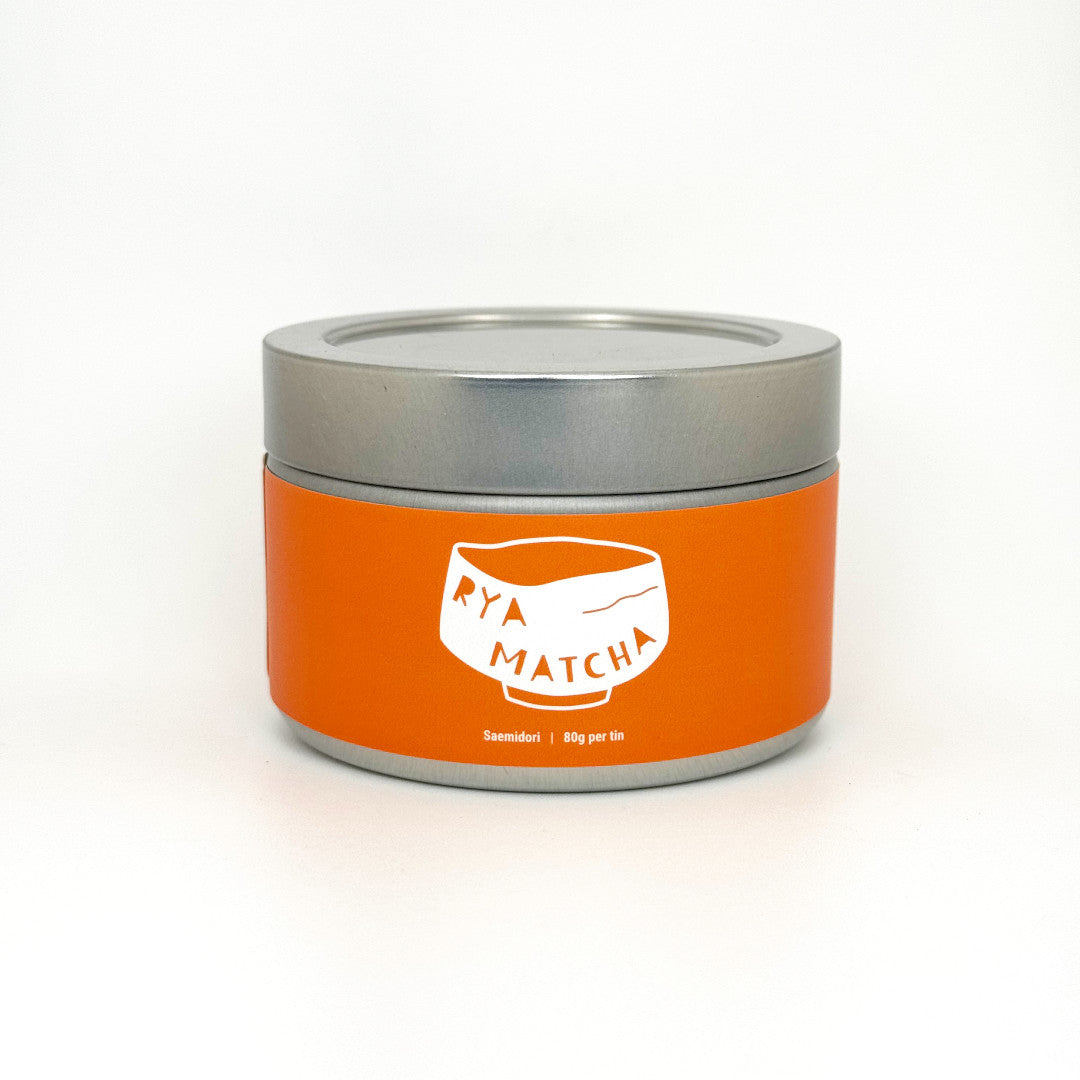
Choosing high-quality, authentic matcha can also make a difference. Pure Japanese matcha, such as those found at Ujicha Matcha, is finely milled and free from additives, offering a smoother, more refined experience that’s less likely to contribute to noticeable staining.
Matcha Oral Health Benefits
In addition to its gentle pigment profile, matcha oral health benefits are worth highlighting. The catechins in matcha are known for their antibacterial properties, which may help reduce the risk of cavities and promote overall oral wellness. Drinking matcha also encourages saliva production, aiding in the natural cleansing of the mouth.
FAQ: Matcha and Teeth
Does matcha permanently stain teeth?
No, matcha does not typically cause permanent stains. Any greenish tint is usually superficial and can be removed with routine brushing and dental cleanings.
Is matcha better for teeth than coffee or black tea?
Yes, matcha is generally less likely to stain teeth compared to coffee or black tea, due to its lower tannin content and higher antioxidant levels.
Can matcha help with oral health?
Matcha’s catechins have antibacterial properties that may support gum health, reduce plaque, and promote fresher breath.
How can I prevent any matcha stains on my teeth?
Rinse with water after drinking matcha, maintain good oral hygiene, and consider using a straw for cold matcha beverages.
Does the quality of matcha affect teeth staining?
High-quality, pure matcha tends to be finer and smoother, which may reduce the likelihood of visible staining compared to lower-grade, coarse powders.
Conclusion: Does Matcha Stain Teeth?
So, does matcha stain teeth? While matcha can leave a faint, temporary tint, it is much gentler on teeth than coffee or black tea. With mindful oral care and attention to matcha quality, staining is minimal and manageable. Matcha also offers notable oral health benefits, making it a smart choice for those seeking a wellness-oriented daily ritual. For authentic, premium matcha that respects both tradition and your smile, explore the curated selection at Ujicha Matcha.