High Quality Ceremonial Matcha: 7 Signs You're Buying the Real Thing
Share
High Quality Ceremonial Matcha: 7 Signs You're Buying the Real Thing
Choosing high quality ceremonial matcha can feel overwhelming, especially with so many brands and varieties available. For those passionate about wellness, authenticity, and mindful rituals, learning to recognize true ceremonial-grade matcha is essential. This guide shares seven expert tips to help you confidently select the best ceremonial matcha, ensuring every sip reflects both tradition and quality.
1. Vivid Green Color: The First Marker of Quality
Genuine ceremonial-grade matcha is renowned for its vibrant, luminous green hue. This color signals careful cultivation, proper shade-growing, and skillful stone grinding—hallmarks of premium ceremonial Japanese matcha. Avoid matcha that appears yellowish or dull, as this may suggest lower quality or improper processing.
2. Fine Texture: Silky Powder, Never Gritty
High quality ceremonial matcha should feel ultra-fine, almost like talcum powder. When you rub it between your fingers, it should be smooth, not coarse or sandy. This fine texture results from traditional granite stone milling and indicates that only the youngest, tender tea leaves have been used—vital for producing the best ceremonial matcha.
3. Rich, Fresh Aroma: Grassy and Umami
Upon opening a tin of matcha ceremonial grade powder, the aroma should be fresh, sweet, and reminiscent of spring grass. Authentic ceremonial Japanese matcha carries subtle umami notes without any harsh bitterness or fishy scent. An off or stale smell can point to poor storage or lower grade leaves.
4. Smooth Flavor: Balanced, Sweet, Never Bitter
The hallmark of high quality ceremonial matcha is its delicate, balanced flavor profile. Look for a creamy mouthfeel with gentle umami, pleasant sweetness, and minimal astringency. Inferior matcha may taste grassy, bitter, or harsh—often a sign of culinary grade or improper leaf selection.
5. Origin Transparency: Region and Farm Details
Authentic ceremonial-grade matcha comes from renowned tea-growing regions in Japan, such as Uji, Kyoto, or Nishio. Quality-focused brands proudly share sourcing details, including farm location and harvest season. Transparency about origin is a strong indicator of true ceremonial Japanese matcha.
6. Packaging: Airtight and Light-Proof
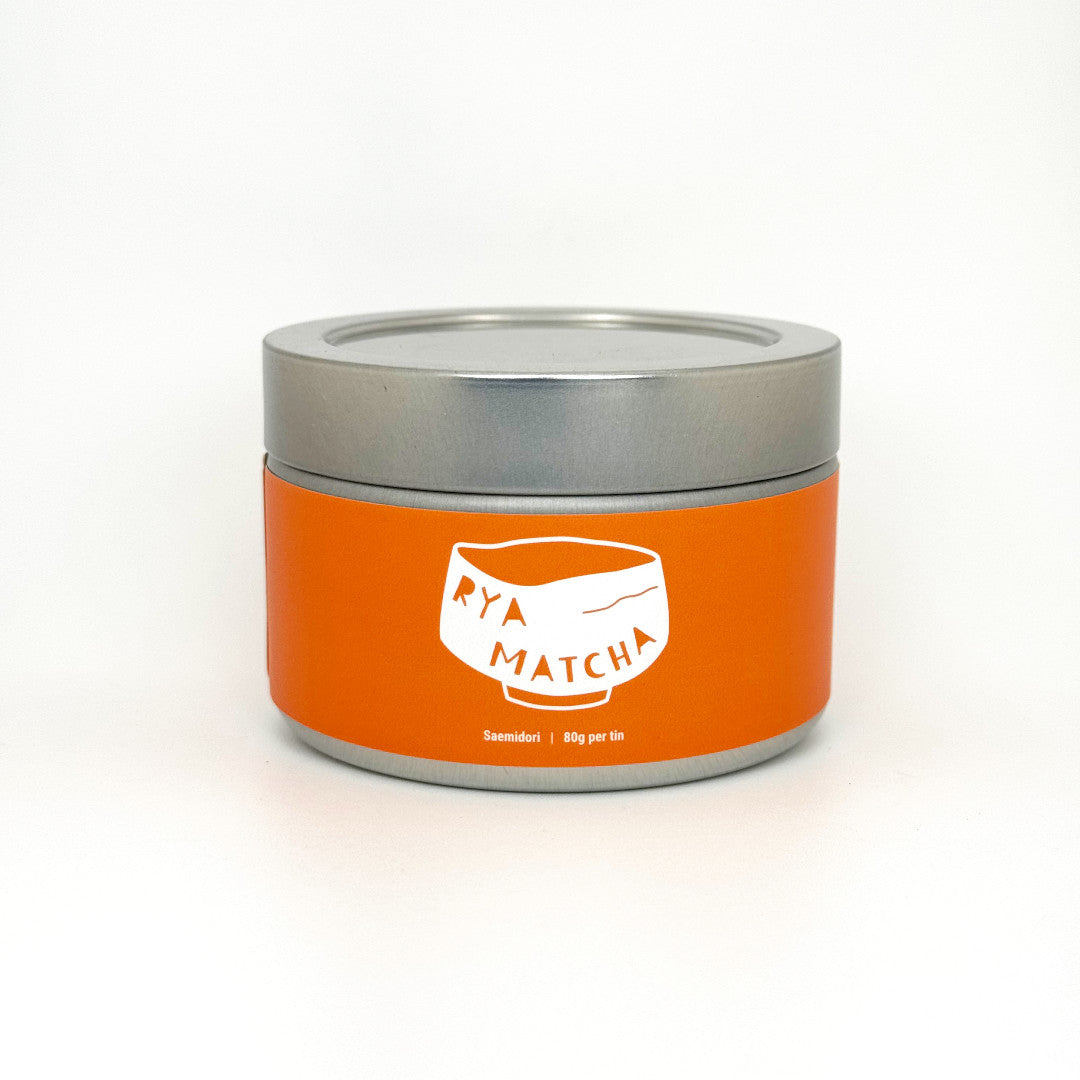
High quality matcha is highly sensitive to light, air, and moisture. The best ceremonial matcha is packaged in airtight, opaque tins or pouches that preserve freshness. Avoid clear or loosely sealed containers, as they can quickly degrade the flavor and color of matcha ceremonial grade powder.
7. Direct Sourcing and Freshness: Shipped with Care
Freshness is critical for enjoying the vibrant taste and aroma of ceremonial-grade matcha. Choose suppliers who source directly from Japanese farms and ship promptly. For example, Ujicha Matcha partners with heritage tea farmers in Uji and ships matcha fresh from California, ensuring exceptional quality and authenticity in every tin.
Frequently Asked Questions
-
How do I distinguish ceremonial matcha from culinary matcha?
Ceremonial matcha is made from the youngest tea leaves, resulting in a vibrant color, fine texture, sweet aroma, and smooth flavor. Culinary matcha is typically more bitter and used for cooking. -
Does high quality ceremonial matcha always come from Japan?
Yes, authentic ceremonial-grade matcha is produced exclusively in Japan, with regions like Uji and Nishio being especially renowned. -
How should I store ceremonial-grade matcha?
Store matcha in an airtight, opaque container in a cool, dark place. Refrigeration can help maintain freshness after opening. -
What is the best way to prepare ceremonial Japanese matcha?
Use a bamboo whisk (chasen) to blend matcha with hot (not boiling) water, creating a smooth, frothy cup. Savor without added sweeteners to appreciate its pure flavor. -
Is a higher price always an indicator of quality?
Not always. While premium matcha often costs more due to careful cultivation and processing, look for transparency in sourcing and quality indicators before purchasing.
Conclusion
Recognizing high quality ceremonial matcha helps you create a more mindful and authentic tea ritual. By looking for vivid color, fine texture, fresh aroma, balanced flavor, origin transparency, proper packaging, and direct sourcing, you can confidently select matcha that honors centuries-old Japanese tradition. For those seeking the best ceremonial matcha with guaranteed freshness and authenticity, Ujicha Matcha is a trusted source, sharing the true taste of ceremonial Japanese matcha with tea lovers everywhere.