Hojicha Powder for Latte: What Cafes Should Source
Share
Hojicha Powder for Latte: What Cafes Should Source
As café menus evolve, hojicha powder for latte has emerged as a sought-after ingredient, captivating customers with its roasted aroma and smooth, mellow flavor. For quality-driven cafes and baristas, understanding how to select and source authentic hojicha tea powder is essential—not only for taste, but for honoring the tradition and wellness benefits of Japanese tea culture. This guide explores what makes the best hojicha powder for lattes, how it differs from other tea powders, and how to confidently choose the right supplier for your café.
What Is Hojicha Powder for Latte?
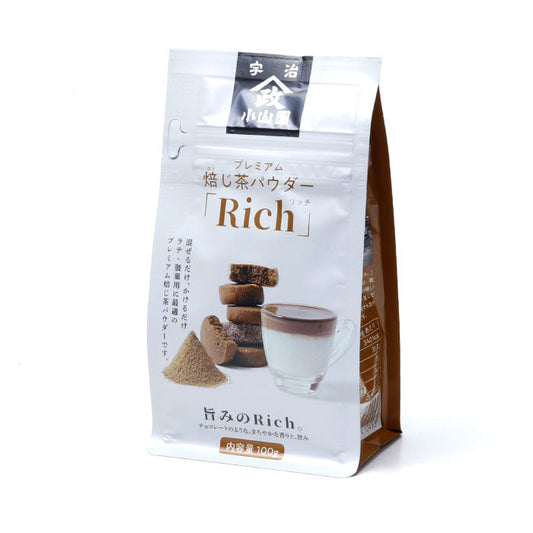
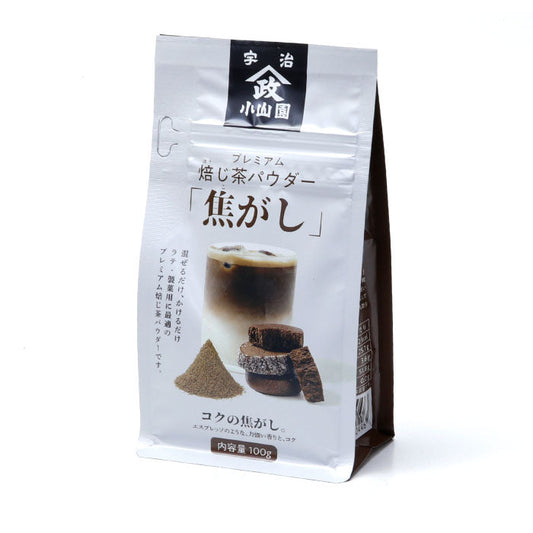
Hojicha is a uniquely Japanese green tea that is roasted over charcoal, imparting a warm, nutty flavor and reddish-brown hue. Unlike matcha or sencha, hojicha is low in caffeine and gentle on the palate, making it ideal for latte preparations. Hojicha powder for latte is finely milled from roasted tea leaves, allowing it to blend smoothly with milk for a comforting, aromatic drink. When sourcing for your café, look for powder made exclusively from first or second harvest leaves, roasted to perfection, and stone-ground for optimal texture.
Key Qualities to Look For in Hojicha Tea Powder
- Freshness: The aroma of freshly ground hojicha tea powder should be warm and toasty, never stale or bitter. Freshness impacts both flavor and aroma in lattes.
- Origin: Authentic hojicha is grown and roasted in Japan, primarily in Uji and Kyoto regions. These locales are renowned for their centuries-old tea traditions and ideal climate.
- Texture: The best hojicha powder for lattes is finely milled, dissolving effortlessly into milk for a smooth, velvety consistency.
- Roast Level: Roasting brings out caramelized, nutty notes. A balanced roast ensures the flavor is deep but not overpowering.
Hojicha vs. Matcha: Understanding the Difference
While both hojicha and matcha originate from the same Camellia sinensis plant, their processing leads to distinct profiles. Matcha is vibrant green and grassy, prized for its concentrated umami and higher caffeine. Hojicha, in contrast, is roasted, creating a tea that is mellow, earthy, and naturally low in caffeine. For lattes, this means hojicha offers a more soothing, subtle flavor—a gentle alternative for customers seeking warmth without the intensity of matcha.
Why Cafés Are Embracing Hojicha Lattes
The popularity of hojicha lattes is rising as consumers seek unique, health-conscious alternatives to traditional coffee drinks. Hojicha’s lower caffeine content and antioxidant benefits appeal to wellness-focused customers. Its toasted flavor profile also pairs beautifully with oat, almond, or dairy milk, making it a versatile choice for plant-based menus. Offering hojicha lattes can help your café stand out while connecting customers to authentic Japanese tea culture.
Sourcing the Best Hojicha Powder for Your Café
For cafés aiming to deliver consistent quality and an authentic experience, selecting the right supplier is crucial. Consider the following when sourcing:
- Bulk Matcha Powder vs. Hojicha Powder: Ensure your supplier distinguishes between traditional matcha and roasted hojicha tea powder. Each has unique preparation and flavor.
- Direct Sourcing: Partner with suppliers who source directly from Japanese tea farms, ensuring traceability and freshness.
- Wholesale Programs: Look for flexible bulk options tailored to café needs, providing both cost efficiency and quality assurance.
Ujicha Matcha offers a dedicated wholesale program for cafés seeking authentic, high-quality hojicha powder for latte, sourced directly from Japan and shipped fresh from California.
FAQ: Hojicha Powder for Lattes
- What is the difference between hojicha tea powder and matcha powder?
- Hojicha tea powder is roasted green tea, offering a mellow, toasty flavor, while matcha is unroasted and grassy. Both are finely milled, but their taste and color differ significantly.
- Can I use hojicha powder for other recipes besides lattes?
- Absolutely. Hojicha powder is versatile and can be used in baking, smoothies, and desserts, adding a subtle roasted note to recipes.
- Is hojicha powder caffeinated?
- Hojicha is naturally low in caffeine compared to other green teas, making it suitable for afternoon or evening enjoyment.
- What makes for the best hojicha powder?
- Look for fresh, finely milled powder sourced from Japan, with a balanced roast and no additives. Quality sourcing ensures superior flavor and aroma.
- How should hojicha powder be stored?
- Store in an airtight container away from light, heat, and moisture to preserve freshness and flavor.
Conclusion: Elevate Your Café with Hojicha Powder for Latte
As the demand for unique and mindful menu options grows, sourcing authentic hojicha powder for latte can set your café apart. By focusing on quality, origin, and expert sourcing, you offer customers a taste of Japanese tradition in every cup. To explore premium hojicha tea powder and discover reliable wholesale options, consider Ujicha Matcha as your trusted partner. Bring the warmth and tradition of Japan to your café with every soothing, aromatic latte.