Houjicha Powder Buying Guide: Roast Levels and Grade Differences
Share
Houjicha Powder Buying Guide: Roast Levels and Grade Differences
For lovers of Japanese tea culture, houjicha powder offers a uniquely comforting and aromatic experience. With its gentle roast, warm flavor, and inviting aroma, houjicha has become a favorite among those seeking mindful rituals and authentic taste. This guide explores the nuances of roast levels, grade differences, and what to look for when choosing the best houjicha powder for your daily cup.
What is Houjicha Powder?
Houjicha (also spelled hojicha) is a Japanese green tea that is distinctively roasted over charcoal or in rotating drums. Unlike most green teas, which retain a grassy character, houjicha’s roasting process imparts notes of caramel, cocoa, and roasted nuts. The result is a reddish-brown tea with a mellow, toasty flavor and lower caffeine content, making it ideal for afternoon or evening enjoyment.
Houjicha powder is finely milled from roasted tea leaves, allowing for easy incorporation into lattes, desserts, and culinary creations. Its versatility and approachable flavor profile have made it popular among both seasoned tea drinkers and newcomers alike.
Understanding Roast Levels in Houjicha Powder
The flavor of houjicha powder is shaped by its roast level—ranging from light to medium to deep. Each roast profile influences aroma, color, and taste:
- Light Roast: Retains some of the original green tea notes, offering a delicate sweetness and a subtle toasted aroma. The color is often lighter brown, and the flavor is gently nutty.
- Medium Roast: Strikes a balance between sweetness and deeper roasted notes. Expect a harmonious blend of caramel, mild cocoa, and subtle earthiness. This is the most versatile option for both drinking and baking.
- Deep Roast: Rich, pronounced roast character with bold flavors reminiscent of dark chocolate and roasted coffee beans. The color is a deep brown, and the aroma is robust. Best for those who appreciate intense, toasty profiles.
When searching for “hojicha powder near me,” understanding your roast preference helps narrow your options to powder that matches your taste and intended use.
Houjicha Powder Grades: Culinary vs. Ceremonial
Similar to matcha, houjicha powder is available in different grades. The two primary categories are:
- Ceremonial Grade: Crafted from younger, more tender leaves and stems, ceremonial houjicha powder is smoother, finer, and typically reserved for traditional tea preparation. Its flavor is nuanced and complex, with minimal bitterness.
- Culinary Grade: Made from more mature leaves, culinary houjicha powder is bolder and slightly more robust, making it ideal for lattes, baking, and cooking. This grade offers excellent versatility while retaining authentic roasted depth.
Both grades offer the signature warmth of japanese tea hojicha but differ in refinement and price point. For most home uses, culinary grade offers a wonderful balance of quality and value.
How to Choose the Best Houjicha Powder
When exploring the “best hojicha powder” for your needs, consider these factors:
- Origin: Look for powder sourced directly from established tea regions in Japan, such as Uji or Kyoto. These areas are renowned for their quality and traditional production methods.
- Freshness: Houjicha powder should be stored in airtight packaging and shipped promptly to preserve its aroma and flavor.
- Texture: High-quality houjicha tea powder is finely milled and free from clumps or large particles.
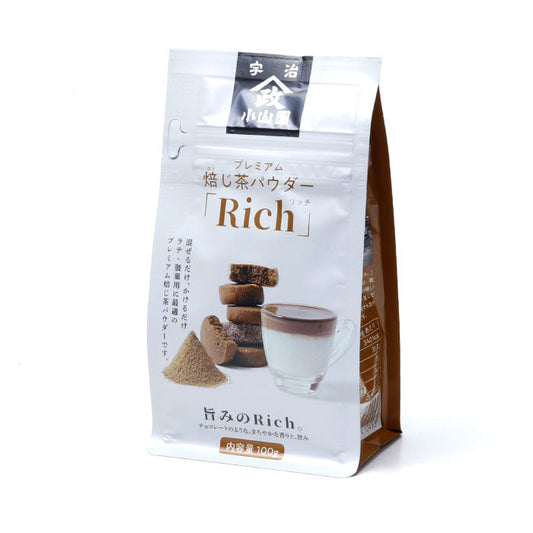
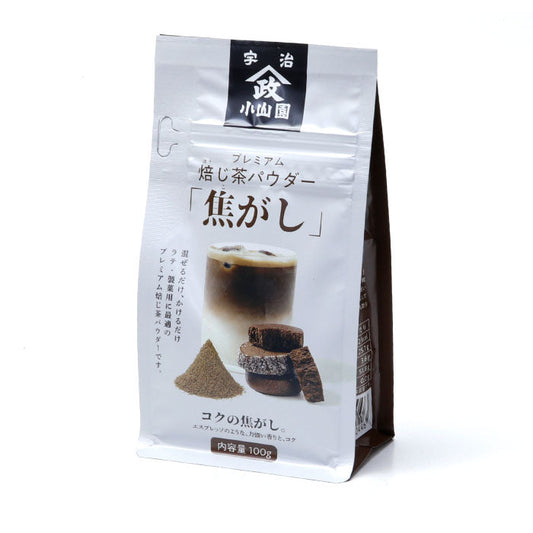
- Roast Level: Match the roast profile to your palate—lighter for delicate drinks, deeper for bold lattes or desserts.
- Grade: Choose ceremonial for sipping, culinary for recipes.
For those seeking authenticity and reliability, Ujicha Matcha’s houjicha powder collection is sourced directly from Japanese tea farms and shipped fresh from California, ensuring quality and transparency at every step.
Traditional and Modern Uses of Houjicha Powder
While traditional Japanese tea ceremonies typically use leaf houjicha, powder forms have gained popularity for their convenience and versatility. Common uses include:
- Houjicha Lattes: A soothing alternative to coffee, houjicha lattes combine roasted tea powder with steamed milk or plant-based alternatives.
- Baking: Infuse cakes, cookies, and breads with the nutty, toasty notes of houjicha powder.
- Desserts: Use in ice creams, puddings, and even chocolate to add depth and complexity.
- Straight Preparation: Whisked with hot water, houjicha powder delivers a comforting, aromatic cup—perfect for mindful daily rituals.
FAQ: Houjicha Powder
- What is the difference between houjicha powder and matcha?
- Matcha is a finely ground green tea with grassy, umami notes, while houjicha powder is made from roasted green tea leaves, resulting in a toasty, caramelized flavor and lower caffeine.
- Is houjicha powder caffeinated?
- Yes, but the roasting process reduces caffeine content, making it gentler than most green teas or coffee—ideal for afternoon or evening enjoyment.
- How should I store houjicha powder?
- Store in an airtight container, away from light, heat, and moisture to preserve freshness and aroma.
- Can I use houjicha powder for baking?
- Absolutely. Its flavor pairs beautifully with baked goods, chocolates, and desserts. Opt for culinary grade for best results.
- Where can I buy premium houjicha powder?
- Quality is key—look for trusted sources like Ujicha Matcha, which offers authentic, freshly milled houjicha powder sourced directly from Japan.
Conclusion: Discovering the World of Houjicha Powder
Navigating the world of houjicha powder means understanding roast levels, grades, and authentic sourcing. Whether you prefer a delicate, sweet light roast or a bold, deeply roasted powder for lattes and desserts, the right choice enhances both flavor and ritual. For those seeking genuine Japanese tea hojicha, Ujicha Matcha offers direct-sourced, expertly milled options—making your journey into roasted tea both enjoyable and rewarding.