How to Make Matcha Taste Better: Expert Tips for Smoother, Better Tasting Matcha
Share
How to Make Matcha Taste Better: Expert Tips for Smoother, Better Tasting Matcha
Matcha is celebrated for its vibrant color, complex flavor, and mindful preparation—but for many, the first taste can be unexpectedly bold or even bitter. If you’re curious about how to make matcha taste better, you’re not alone. With the right techniques and understanding of matcha’s unique qualities, you can transform your daily cup into a truly enjoyable ritual. This guide shares expert advice to help you improve matcha flavor, fix bitter matcha, and achieve smoother, better tasting results every time.
Understanding Why Matcha Can Taste Bitter
Bitterness in matcha often surprises newcomers. High-quality matcha should be smooth, gently sweet, and umami-rich, but several factors can contribute to a less pleasant experience. Common reasons include low-grade matcha, improper preparation, or water that’s too hot. By understanding the origins of bitterness, you can address the root causes and enjoy a more balanced cup.
Choose the Right Matcha: Start with Quality
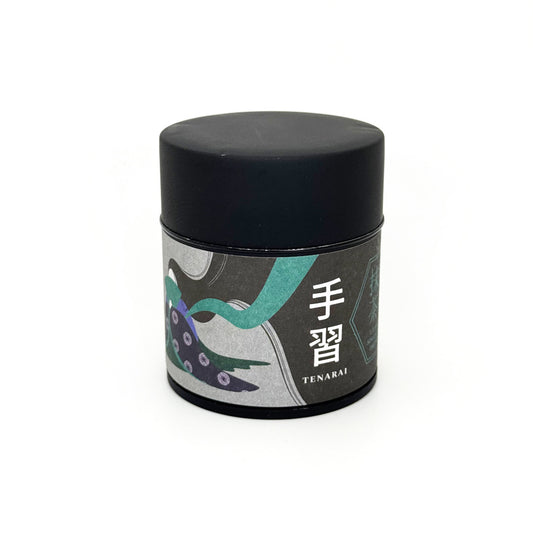
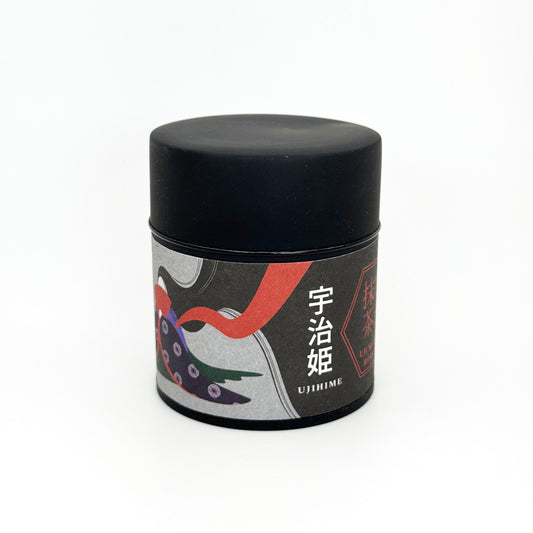
One of the most effective ways to improve matcha flavor is to begin with high-quality, ceremonial grade matcha. Premium matcha is made from the youngest tea leaves, carefully shade-grown and stone-ground to preserve delicate flavors. Lower grade or culinary matcha tends to have stronger, more astringent notes. For the smoothest and most vibrant matcha, select a trusted source that emphasizes freshness and authenticity. For example, Ujicha Matcha offers a curated range of authentic Japanese matcha—shipped fresh for the finest flavor.
Perfect Your Preparation: Smoother Matcha Tips
Even the best matcha can taste off if not prepared properly. Here are essential steps to achieve better tasting matcha:
- Use the right water temperature: Water that’s too hot (above 175°F/80°C) can burn the matcha, releasing bitterness. Aim for 160–175°F (70–80°C) for optimal extraction.
- Sift your matcha: Sifting removes clumps, resulting in a smoother, silkier cup.
- Whisk matcha properly: Use a bamboo whisk (chasen) and a gentle “M” or “W” motion to fully aerate and dissolve the powder. This creates a creamy froth and enhances mouthfeel.
- Measure accurately: Use 1–2 grams (about 1/2–1 tsp) of matcha per 2–3 ounces of water. Adjust to taste.
How to Fix Bitter Matcha: Simple Adjustments
If your matcha still tastes too bitter, try these solutions:
- Add more water: Diluting can mellow intensity without sacrificing flavor.
- Experiment with milk: Making a matcha latte with oat, almond, or dairy milk can soften bitterness and add creaminess.
- Sweeten gently: A touch of honey, agave, or maple syrup can balance bitterness without overpowering matcha’s natural character.
- Pair with food: Enjoy matcha alongside a small wagashi (Japanese sweet) or a piece of dark chocolate for contrast.
Respecting Tradition: Mindful Matcha Enjoyment
Japanese tea culture honors the ritual of preparation and mindful sipping. Taking a moment to appreciate matcha’s aroma, color, and texture enriches the experience. Whether preparing usucha (thin matcha) or koicha (thick matcha), focus on each step to connect more deeply with your cup. This approach not only enhances flavor but also supports a sense of wellness and presence.
Frequently Asked Questions
Why does my matcha taste so bitter?
Bitterness is often caused by low-grade matcha, water that's too hot, or improper whisking. Choosing ceremonial grade matcha and using cooler water can help fix bitter matcha.
How do I make my matcha smoother?
Sift your matcha before whisking, use a bamboo whisk, and ensure your water is below 175°F. These smoother matcha tips help create a creamy, frothy texture.
Can I sweeten my matcha?
Yes, adding a small amount of natural sweetener—such as honey or agave—can improve matcha flavor without masking its unique taste.
Is culinary grade matcha suitable for drinking?
Culinary grade matcha is best for cooking or baking. For better tasting matcha, choose ceremonial grade for sipping.
What’s the best way to whisk matcha properly?
Use a chasen (bamboo whisk) and an “M” or “W” motion to thoroughly blend and aerate the matcha, resulting in a smoother cup.
Conclusion: Elevate Your Daily Ritual
Learning how to make matcha taste better is a journey of discovery and refinement. By choosing quality matcha, perfecting your preparation, and embracing mindful enjoyment, you can unlock a world of nuanced flavors and daily wellness. For consistently fresh, authentic matcha, consider exploring the curated selections from Ujicha Matcha—your trusted source for genuine Japanese tea.