Is Green Tea Good for Hypertension? Understanding the Connection
Share
Is Green Tea Good for Hypertension? Understanding the Connection
Is green tea good for hypertension? This is a question many health-conscious individuals ask when exploring natural approaches to cardiovascular wellness. As matcha enthusiasts and advocates for mindful living, we at Ujicha Matcha believe in providing clear, trustworthy guidance rooted in authentic Japanese tea culture. Let’s explore what the research says about green tea, blood pressure, and how mindful tea rituals may support your well-being.
Green Tea and Blood Pressure: What Does the Science Say?
Green tea has long been valued in Japan and around the world for its delicate flavor and potential health benefits. Recent studies suggest a connection between green tea blood pressure regulation and certain bioactive compounds found in tea leaves. Catechins, a type of antioxidant abundant in green tea, may help support healthy vascular function by promoting relaxation of blood vessels and reducing oxidative stress.
While the effects can vary based on individual health and tea consumption habits, regularly enjoying green tea may be associated with modest reductions in both systolic and diastolic blood pressure. However, it’s important to remember that green tea should complement—not replace—professional medical advice or prescribed treatments for hypertension.
Matcha and Blood Pressure: A Distinctive Approach
Unlike traditional loose-leaf green tea, matcha involves consuming the entire powdered leaf, offering a higher concentration of antioxidants, particularly catechins, and the amino acid L-theanine. This unique profile may further support matcha blood pressure benefits while also promoting relaxation and focused alertness, hallmarks of Japan’s centuries-old tea traditions.
Research specific to matcha is still emerging, but early findings suggest that its potent combination of catechins and L-theanine may work synergistically for heart health. Incorporating matcha as part of a balanced, mindful lifestyle can be a thoughtful way to explore matcha health benefits, including cardiovascular support.
How Green Tea Supports Heart Health
Cardiovascular wellness is a multifaceted journey involving diet, exercise, stress management, and more. Drinking green tea has been linked with improved cholesterol levels and reduced markers of inflammation—two important factors in overall green tea heart health.
Japanese tea culture celebrates not only the beverage itself but also the ritual of preparation and mindful enjoyment. Taking time to whisk matcha or steep green tea can become a daily moment of calm, supporting both physical and emotional well-being. This holistic approach aligns with contemporary wellness values and empowers individuals to make informed choices.
Choosing Authentic Matcha for Wellness
When exploring the potential benefits of green tea and matcha for blood pressure, authenticity and quality are essential. Japanese-grown matcha, especially from heritage regions like Uji, is renowned for its purity and potency. Ensuring your matcha is shade-grown, stone-milled, and fresh is key to maximizing both flavor and health benefits.
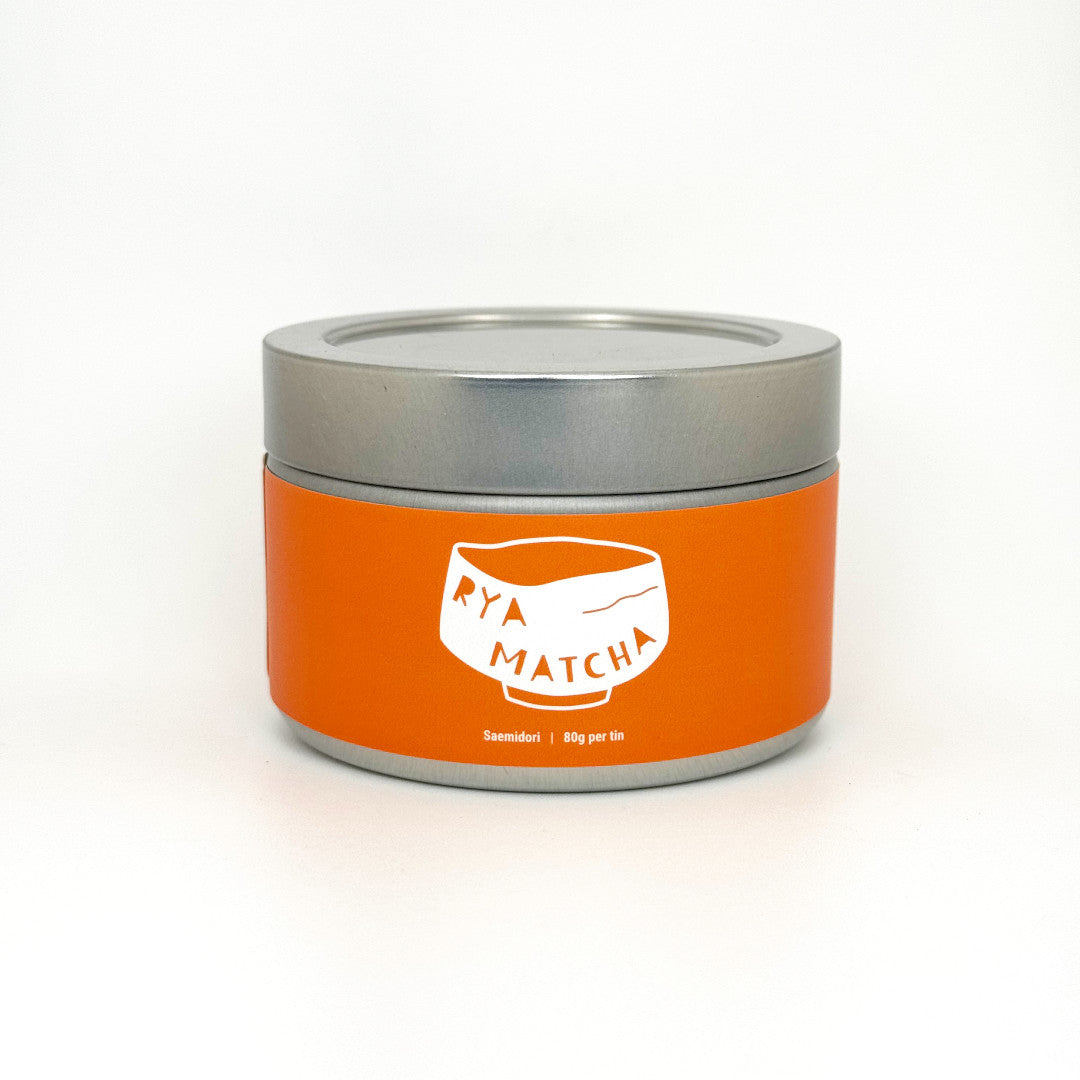
For those seeking premium matcha to incorporate into their daily rituals, Ujicha Matcha’s curated collection offers authentic options sourced directly from Japan and shipped fresh from California. Our commitment to traditional cultivation methods and quality control ensures you receive matcha that honors the art and science of Japanese tea.
Mindful Rituals: Preparing Green Tea and Matcha
The way you prepare and enjoy your tea matters. For matcha, use fresh, filtered water heated to about 175°F (80°C) and a bamboo whisk to create a smooth, vibrant froth. For loose-leaf green tea, steep for 1–2 minutes to preserve delicate flavors and beneficial compounds. Embracing the Japanese concept of "ichigo ichie," or cherishing each moment, transforms tea drinking into a nourishing daily ritual.
FAQ: Green Tea, Matcha, and Blood Pressure
- Is green tea good for hypertension?
- Studies suggest that regular green tea consumption may support healthy blood pressure, but it should not replace medical treatment. Always consult your healthcare provider.
- Does matcha have the same benefits as green tea for blood pressure?
- Matcha contains higher concentrations of antioxidants and L-theanine, potentially enhancing the cardiovascular support seen with traditional green tea.
- How much green tea should I drink for heart health?
- Moderate daily consumption—about 2–3 cups—may offer benefits, but individual needs vary. Listen to your body and consult with a healthcare professional.
- Is there caffeine in matcha and green tea?
- Yes, both contain caffeine, with matcha typically having a higher amount per serving. The presence of L-theanine in matcha may provide a balanced, calm energy.
- What makes Japanese matcha different from other green teas?
- Japanese matcha is shade-grown, stone-milled, and involves consuming the whole leaf, resulting in a richer nutrient profile and distinctive flavor.
Conclusion: Is Green Tea Good for Hypertension?
In summary, is green tea good for hypertension? Evidence suggests that both green tea and matcha may support healthy blood pressure as part of a mindful lifestyle. Choosing authentic, high-quality Japanese matcha—such as those offered by Ujicha Matcha—ensures you enjoy both the healthful and cultural benefits of this time-honored tradition. As always, consult your healthcare provider for personalized guidance, and savor your tea as a daily ritual of wellness and connection.