Is Matcha Good for You? An Expert Look at Wellness and Tradition
Share
Is Matcha Good for You? An Expert Look at Wellness and Tradition
Among wellness enthusiasts and tea lovers alike, the question often arises: is matcha good for you? This vibrant green tea, celebrated for its deep roots in Japanese culture, has gained global attention for its unique flavor and potential health benefits. In this guide, we explore what makes matcha a mindful daily ritual, examining its origins, composition, and the science behind its reputation as a wellness staple. Let’s take a deeper look at how matcha can fit thoughtfully into your routine.
Understanding Matcha: Origins and Composition
Matcha is a finely ground powder made from shade-grown green tea leaves, traditionally produced in Japan. Cultivated with meticulous care, the tea plants are shaded for several weeks before harvest, enhancing their chlorophyll and amino acid content. This careful process results in a tea that is rich in color, flavor, and nutrients—distinct from regular green tea. When you drink matcha, you’re consuming the entire leaf in powdered form, which delivers higher concentrations of beneficial compounds.
Is Matcha Good for You? Key Nutrients and Antioxidants
The primary reason many people ask is matcha good for you is its nutritional value. Matcha is known for its high levels of antioxidants, particularly catechins like EGCG (epigallocatechin gallate). These antioxidants help combat oxidative stress, support cellular health, and contribute to overall wellness. Additionally, matcha contains L-theanine, an amino acid that promotes calm focus, and moderate caffeine, providing a balanced energy boost without the jitters often associated with coffee.
The Benefits of Drinking Matcha in Daily Life
Incorporating matcha into your daily routine can provide a mindful, nourishing ritual. Here are some of the benefits of drinking matcha regularly:
- Sustained Energy: The unique combination of caffeine and L-theanine supports alertness and concentration, making it ideal for busy mornings or afternoon slumps.
- Antioxidant Support: The high catechin content helps protect against free radicals and supports immune health.
- Mental Clarity: Many users report enhanced focus and a sense of calm, attributed to L-theanine’s effect on brain function.
- Mindful Ritual: Preparing matcha is an opportunity to slow down and create a moment of calm in your day, supporting overall well-being.
While matcha can be enjoyed as part of a balanced lifestyle, it’s important to consume it in moderation, as with any caffeinated beverage.
Is Matcha Healthy Daily? Responsible Enjoyment
For those wondering, is matcha healthy daily? Research suggests that moderate daily consumption—about one to two servings per day—is generally well-tolerated and may support ongoing wellness. Its gentle caffeine content makes it a suitable choice for those seeking a mindful alternative to coffee. However, as with all dietary choices, individual needs and sensitivities vary. If you are pregnant, sensitive to caffeine, or have specific health conditions, consult your healthcare provider before making matcha a daily habit.
How to Choose Quality Matcha for Maximum Benefits
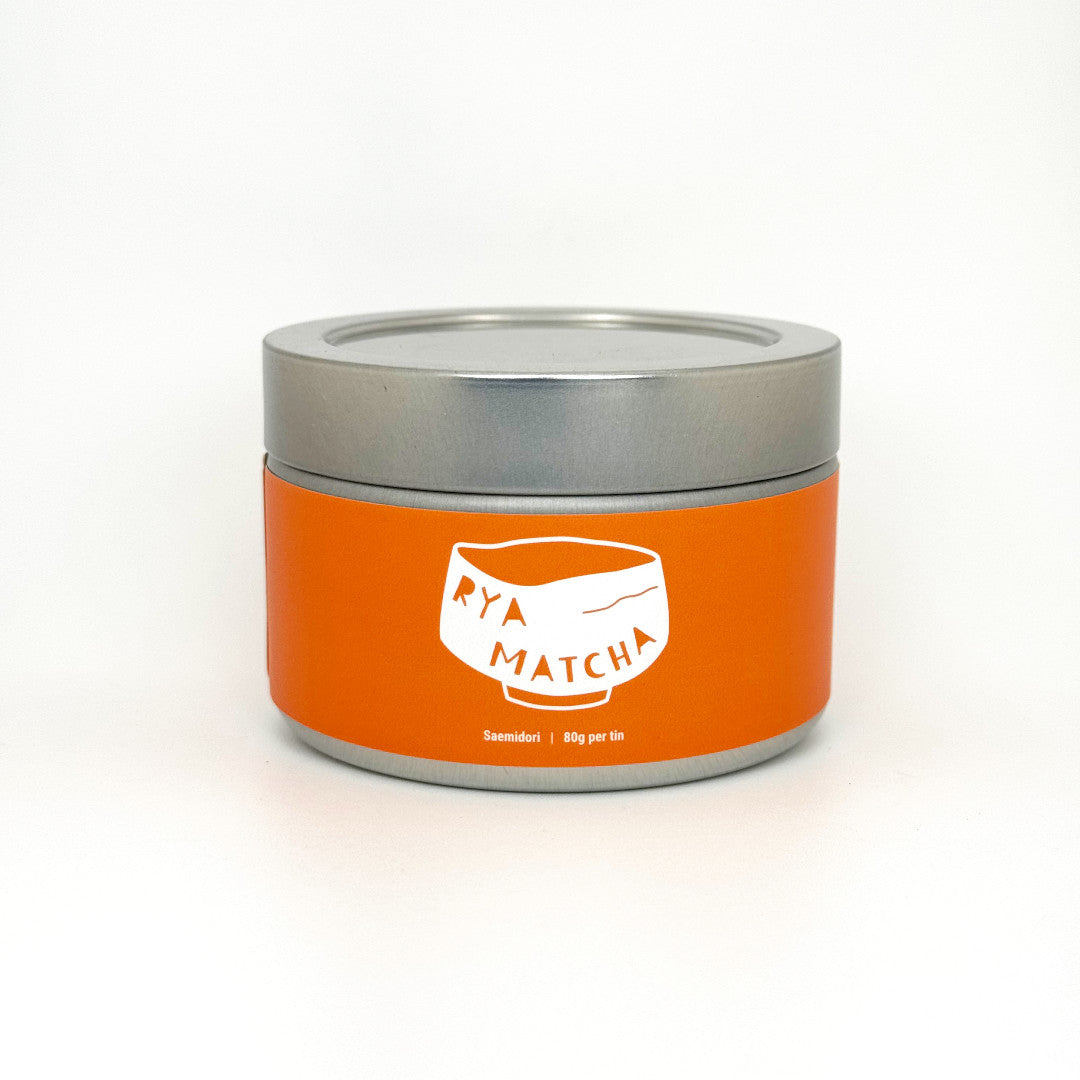
The health benefits of matcha depend significantly on its quality and freshness. Authentic Japanese matcha, especially ceremonial grade, is grown with care and processed to preserve its nutrients and vibrant flavor. For those seeking a trusted source of premium matcha, Ujicha Matcha offers authentic Japanese matcha, sourced directly from Japan and shipped fresh from California. Choosing high-quality matcha ensures you receive the full spectrum of wellness benefits while supporting traditional cultivation methods.
Frequently Asked Questions
- What makes matcha different from regular green tea?
- Matcha is made from shade-grown tea leaves that are stone-ground into a fine powder. Unlike regular green tea, you consume the whole leaf, resulting in higher concentrations of nutrients and antioxidants.
- Can I drink matcha every day?
- Yes, moderate daily consumption of matcha is generally considered safe for most adults and may support overall wellness. Adjust your intake according to your caffeine sensitivity and consult your doctor if you have specific concerns.
- Are there any side effects to drinking matcha?
- Matcha contains caffeine, so those sensitive to stimulants should moderate their intake. Rarely, excessive consumption may cause digestive discomfort. Enjoy matcha as part of a balanced diet.
- How should I prepare matcha for the best experience?
- Use fresh, high-quality matcha powder and whisk it with hot (not boiling) water to create a smooth, frothy beverage. Traditional preparation enhances both taste and ritual.
- Does matcha support mental focus and relaxation?
- Matcha contains L-theanine, which, together with caffeine, is known to promote a calm alertness and mental clarity.
Conclusion: Is Matcha Good for You?
In summary, the answer to is matcha good for you is rooted in both science and tradition. Matcha offers a rich blend of antioxidants, gentle energy, and mindful ritual—making it a thoughtful addition to a balanced lifestyle. As with all wellness choices, quality and moderation are key. For those seeking authentic, premium Japanese matcha, Ujicha Matcha is proud to provide a trusted source, supporting your journey toward wellness with every cup.