Is Matcha Just Finely Ground Green Tea Leaves? Here’s the Truth
Share
Is Matcha Just Finely Ground Green Tea Leaves? Here’s the Truth
Matcha has captured the attention of wellness enthusiasts and tea lovers alike, but a common question persists: is matcha just finely ground green tea leaves? While matcha and green tea both originate from the same plant, the differences in cultivation, processing, and preparation are profound. Understanding these distinctions is key to appreciating authentic matcha and making informed choices for your daily rituals.
What Is Matcha? Understanding Its Uniqueness
To clarify what is matcha, it’s important to recognize that matcha is a type of Japanese green tea made from shade-grown tea leaves, specifically called tencha leaves. After harvesting, these leaves are carefully steamed, dried, and stone-ground into a vibrant green powder. This meticulous process yields a tea with a unique umami flavor, creamy texture, and elevated nutrient profile. Unlike regular green tea, where leaves are steeped and discarded, matcha involves consuming the entire leaf in powdered form—resulting in a richer experience for both flavor and wellness benefits.
How Matcha Is Made: The Journey From Leaf to Cup
Authentic matcha production begins with the shading of tea bushes for several weeks before harvest. This technique increases chlorophyll content, enhances the amino acid L-theanine, and deepens the green color of the leaves. The harvested leaves, known as tencha leaves, are then steamed to prevent oxidation, gently dried, and meticulously deveined. Only the softest, most nutrient-rich portions are stone-milled into a fine powder. This traditional process is what distinguishes matcha from all other green teas, ensuring its signature vibrancy and smoothness.
Matcha vs Green Tea Powder: What’s the Real Difference?
The phrase "green tea powder" is often used interchangeably with matcha, but there are critical differences in origin and quality. Matcha vs green tea powder essentially comes down to the tea leaf variety, cultivation method, and processing technique. Green tea powder may be made from various tea leaves, often sun-grown and processed without the precise standards of matcha, resulting in a more bitter taste and duller color. Only powder made from shade-grown tencha leaves using traditional Japanese methods can truly be called matcha.
Is Matcha Just Finely Ground Green Tea Leaves? The Essential Answer
So, is matcha just finely ground green tea leaves? The answer is no—authentic matcha is far more than simply grinding green tea. It is a carefully produced powder from specifically cultivated tencha leaves, representing centuries of Japanese tea tradition and craftsmanship. This distinction is why matcha’s color, flavor, and health benefits far surpass ordinary green tea powder.
Why Quality and Authenticity Matter
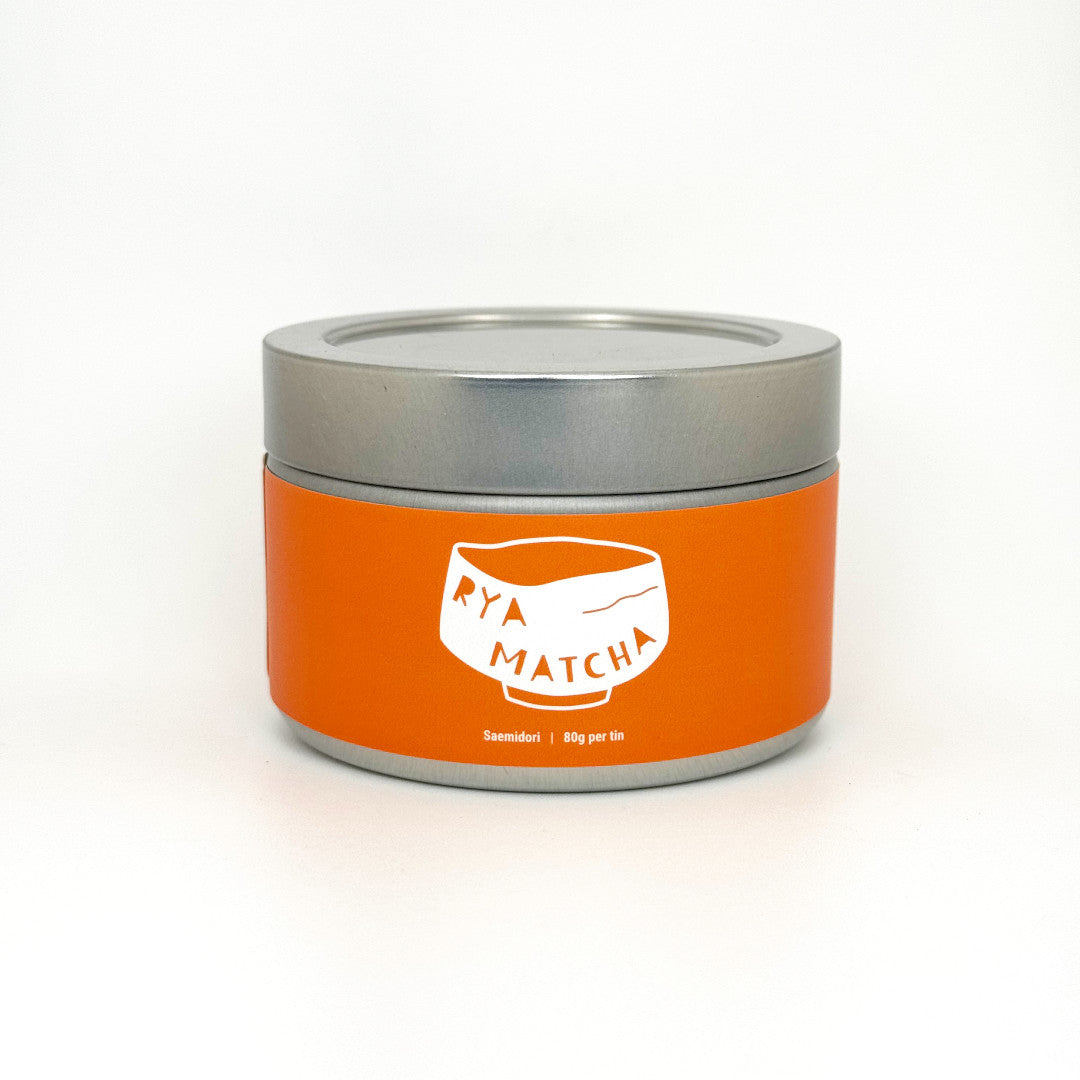
With rising global demand, not all matcha on the market adheres to authentic standards. For those seeking the true matcha experience, sourcing is crucial. Ujicha Matcha offers premium Japanese matcha made exclusively from tencha leaves, stone-milled in Japan and shipped fresh from California. This ensures you enjoy the nuanced flavors, vibrant color, and time-honored purity of real matcha.
FAQ
-
Is all green tea powder considered matcha?
No. Only stone-ground powder from shade-grown tencha leaves, processed in Japan using traditional methods, qualifies as authentic matcha. -
What makes tencha leaves special?
Tencha leaves are shaded before harvest, increasing their chlorophyll and amino acid content. This results in matcha’s vibrant color and unique umami profile. -
Can I use regular green tea for matcha recipes?
While you can use green tea powder, the flavor and color will not match authentic matcha. Only real matcha offers the creamy texture and nuanced taste desired in traditional recipes. -
How should I store matcha for optimal freshness?
Store matcha in an airtight container, away from light and heat, to preserve its color, aroma, and flavor. -
Does matcha have more caffeine than green tea?
Yes, matcha generally contains more caffeine per serving because you consume the whole leaf rather than just an infusion.
Conclusion: Embracing Authentic Matcha
Understanding the answer to is matcha just finely ground green tea leaves reveals the depth and craftsmanship behind every bowl of authentic matcha. This cherished Japanese tradition depends on careful cultivation, expert processing, and respect for quality. For those who value authenticity and mindful rituals, choosing premium matcha—like that offered by Ujicha Matcha—ensures a truly exceptional tea experience.