Japanese Green Tea Powder: Matcha, Hojicha, and What Each One Is For
Share
Japanese Green Tea Powder: Matcha, Hojicha, and What Each One Is For
Japanese green tea powder stands at the heart of centuries-old tea rituals, offering vibrant flavors, a sense of calm, and a connection to Japanese culture. Whether you’re new to tea or seeking to deepen your appreciation, understanding the differences between matcha, hojicha, and other green tea powders is key to selecting the right one for your daily rituals. This guide provides an expert overview of Japanese green tea powder—exploring origins, qualities, and uses to help you make informed choices for wellness and enjoyment.
Understanding Japanese Green Tea Powder
"Japanese green tea powder" is an umbrella term for finely ground teas made from Camellia sinensis leaves, cultivated and processed in Japan. Unlike loose-leaf teas, these powders are whisked directly into water or milk, delivering the full spectrum of taste, nutrients, and traditional experience. The most recognized varieties are matcha and hojicha, each with unique cultivation methods, flavors, and applications.
Matcha: The Essence of Japanese Green Tea
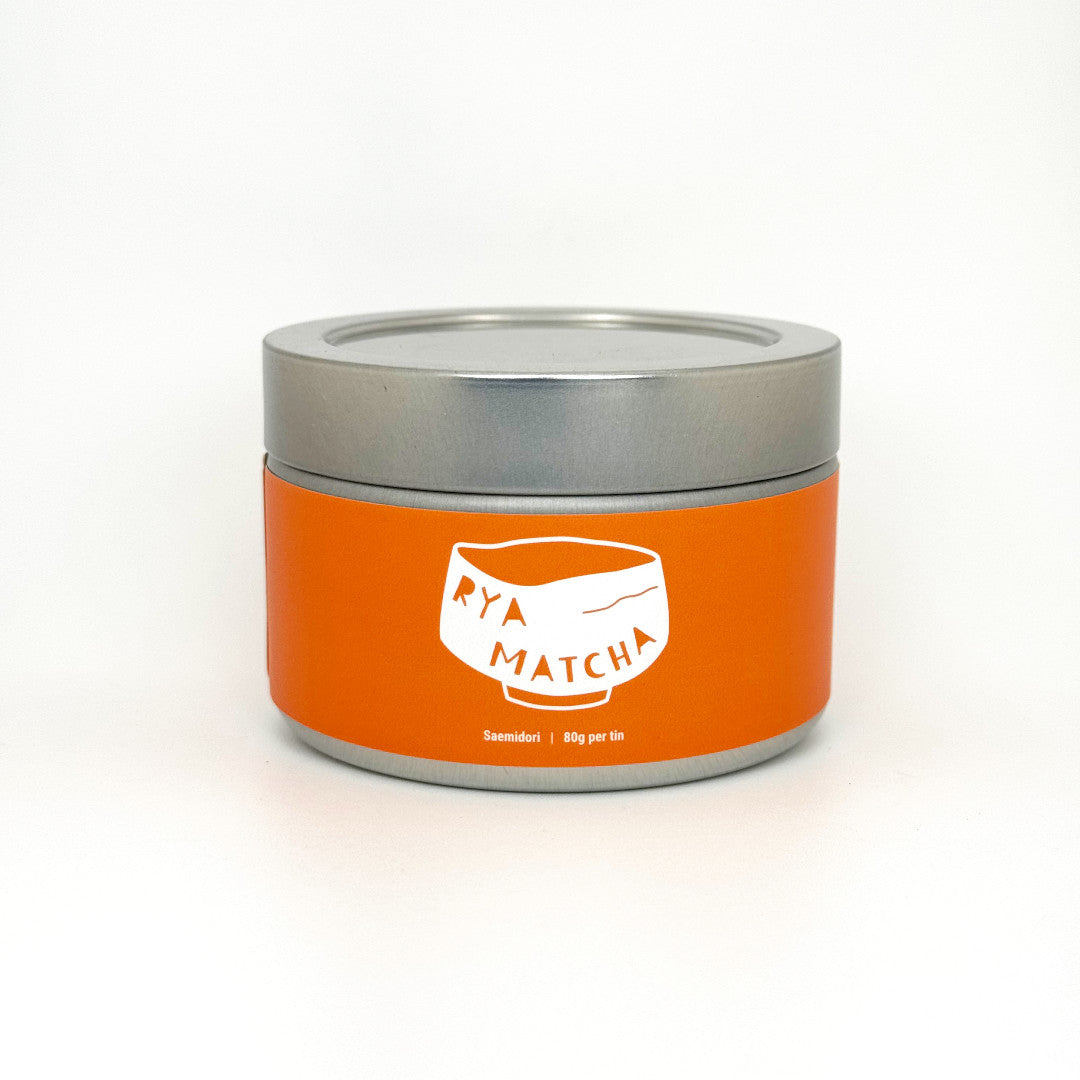
Japanese matcha green tea powder is made from shade-grown tencha leaves, stone-milled into a fine, jade-green powder. Its vibrant color signals freshness and high quality, while its rich umami flavor and creamy texture set it apart. Matcha’s ceremonial roots trace back to Zen Buddhist rituals, where it was prized for fostering mindfulness and clarity.
When seeking high quality green tea powder for matcha, look for a vivid green hue, fine texture, and an aroma that’s grassy yet sweet. Premium matcha is best enjoyed whisked with hot water (not boiling), creating a frothy, smooth drink. Culinary matcha, with a slightly robust profile, is ideal for lattes, smoothies, and desserts. For a selection curated for quality and freshness, explore Ujicha Matcha’s authentic Japanese matcha—sourced directly from Japan and shipped fresh.
Hojicha Powder: Roasted Comfort in a Cup
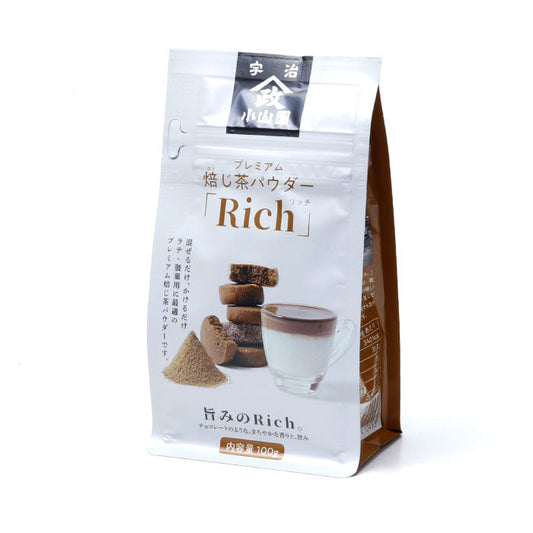
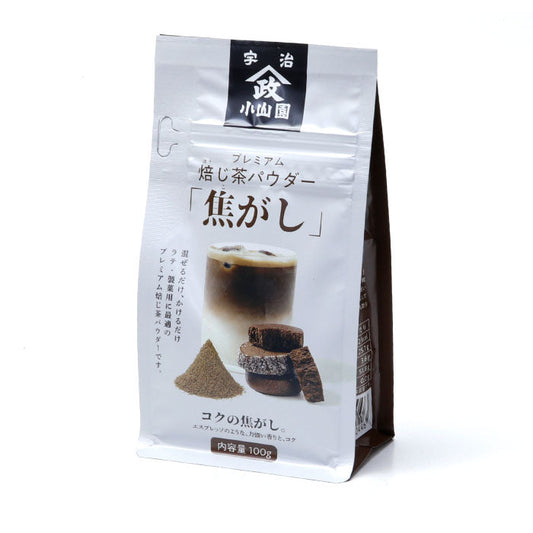
Hojicha, a lesser-known but cherished Japanese tea, is unique among green tea powders. Made by roasting green tea leaves at high temperatures, hojicha transforms from green to warm brown, developing toasty, nutty flavors and a gentle aroma. High quality hojicha powder is finely milled, with a mellow taste that’s naturally lower in caffeine, making it suitable for any time of day.
Hojicha powder is versatile: enjoy it as a soothing hot drink, whisked with water or milk, or use it to impart roasted notes to baked goods and ice cream. Its earthy profile offers a comforting alternative to the grassy vibrance of matcha, providing balance for those who appreciate variety in their tea rituals.
Origins and Cultivation: How Quality Is Defined
The terroir, harvest timing, and processing methods define the character and quality of japanese green tea powder. Regions like Uji, Shizuoka, and Kagoshima are renowned for producing exceptional matcha and hojicha. Shade-growing, hand-picking, and traditional stone-milling preserve flavor complexity and nutrients, resulting in a nuanced, authentic tea experience.
When choosing high quality green tea powder, transparency of origin and freshness are crucial. Seek brands, like Ujicha Matcha, that emphasize direct sourcing, careful storage, and clarity about the tea’s region and grade. This ensures you experience the tea as it’s enjoyed in Japan—fresh, vibrant, and true to tradition.
Choosing the Right Japanese Green Tea Powder for You
Selecting between matcha, hojicha, and other Japanese powders depends on your preferences and intended uses:
- For mindful rituals: Ceremonial-grade matcha offers a smooth, umami-rich drink ideal for quiet moments or meditation.
- For culinary creativity: Culinary matcha and hojicha powders are perfect for lattes, smoothies, and desserts, adding depth and color.
- For gentle comfort: Hojicha’s roasted profile and low caffeine make it a soothing choice for evenings or caffeine-sensitive individuals.
Exploring authentic options from trusted sources will help you discover which Japanese green tea powder best fits your lifestyle and taste preferences.
FAQ: Japanese Green Tea Powder
-
What’s the difference between matcha and hojicha powder?
Matcha is a vibrant, shade-grown green tea powder with a creamy, umami flavor, while hojicha is roasted, yielding a toasty, mellow taste and lower caffeine. -
How should I store Japanese green tea powder?
Keep powder in an airtight container, away from light, moisture, and strong odors. Refrigeration helps preserve freshness after opening. -
Can I use matcha and hojicha powder in cooking?
Yes. Both powders are versatile—matcha adds color and depth to smoothies, cakes, and lattes; hojicha imparts roasted notes to baked goods and ice cream. -
What are the health benefits of Japanese green tea powder?
Japanese green tea powders are rich in antioxidants and L-theanine. Matcha is known for its focused energy, while hojicha is gentle and low in caffeine. -
How do I choose a high quality green tea powder?
Look for vibrant color, fine texture, clear origin, and freshness. Trusted, transparent brands like Ujicha Matcha ensure authenticity and quality.
Conclusion: Discovering the World of Japanese Green Tea Powder
Japanese green tea powder—encompassing both matcha and hojicha—offers a gateway to mindful rituals, rich flavors, and authentic Japanese heritage. By understanding the distinctions in cultivation, preparation, and taste, you can confidently choose the best powder for your daily moments of calm or creativity. For those seeking premium, authentic options, Ujicha Matcha provides a curated selection of japanese green tea powder—ensuring you savor tea as it’s meant to be enjoyed: fresh, vibrant, and true to tradition.