Japanese Tea Hojicha: What Cafes Should Know Before Sourcing Powder
Share
Japanese Tea Hojicha: What Cafes Should Know Before Sourcing Powder
Japanese tea hojicha has become a beloved choice for cafes seeking to diversify their menus with authentic, roasted flavors. As interest grows in Japanese teas beyond matcha, understanding what sets hojicha apart—and how to source the best houjicha powder—gives cafes a unique opportunity to delight discerning guests. This guide explores the essentials of hojicha: its origin, how it’s made, what to look for in powder, and why quality sourcing matters for mindful menus.
The Distinct Origins and Traditions of Japanese Tea Hojicha
Originating in Kyoto during the 1920s, japanese tea hojicha is unique among Japanese green teas. Unlike matcha or sencha, hojicha is roasted over charcoal, transforming the tea leaves’ color from green to a warm chestnut brown. This process imparts a nutty, caramelized aroma and a mellow, toasty flavor profile. Hojicha’s low caffeine content and gentle taste make it accessible to many, including those sensitive to bitterness or looking for an evening-friendly brew.
How Hojicha Powder Is Made: From Leaf to Cup
Creating exceptional houjicha powder begins with carefully selected tea leaves—often bancha (late-harvest) or even stems (kuki). After steaming, the leaves are roasted at high temperatures. This crucial step distinguishes hojicha’s signature flavor, reducing bitterness and highlighting notes of cocoa and roasted grain. The roasted leaves are then finely ground into hojicha tea powder, ideal for beverages and culinary applications. For cafes, choosing authentic, stone-milled powder ensures a smoother texture and richer flavor, essential when preparing hojicha powder for lattes or baked goods.
Choosing the Right Hojicha Powder for Cafes
Not all hojicha powders are created equal. Cafes should consider several factors when sourcing:
- Origin and Authenticity: Genuine japanese tea hojicha is produced in Japan, with Kyoto and Uji being the most prestigious regions.
- Roast Level: Light roast highlights herbal, grassy notes, while dark roast offers deep, chocolatey tones. Match your menu’s needs.
- Texture and Particle Size: Finer powders blend seamlessly into milk for smooth hojicha lattes, while coarser powders can leave a gritty mouthfeel.
- Freshness: Freshly ground houjicha powder preserves the roasted aroma and nuanced flavors. Seek suppliers who prioritize small-batch, recent milling.
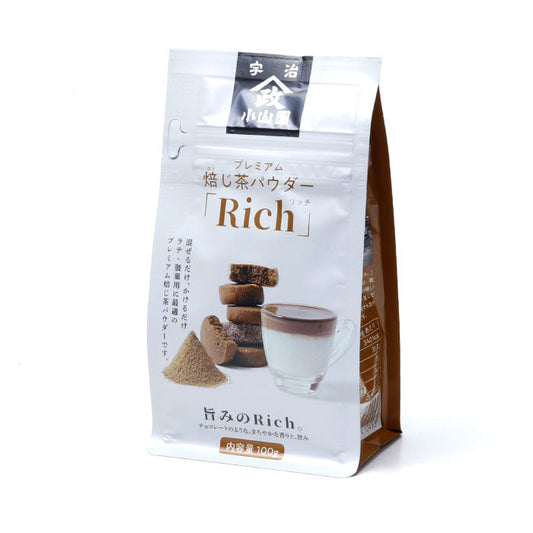
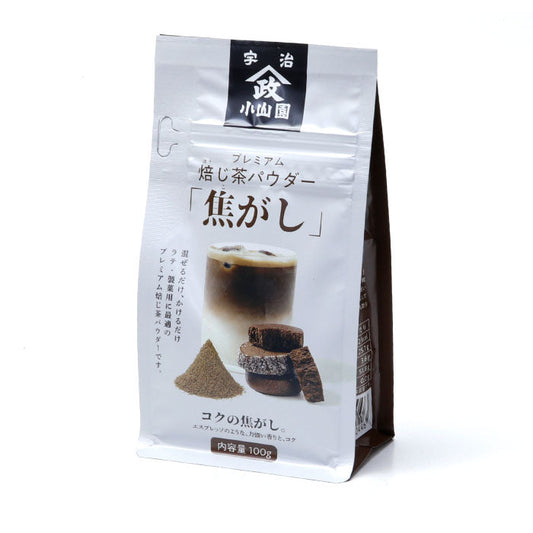
For cafes exploring where to find high-quality hojicha powder near me, Ujicha Matcha offers authentic, freshly roasted hojicha powder sourced directly from Japan, shipped fresh from California. This ensures the deepest, most aromatic profile for your cafe’s signature drinks.
Applications: Hojicha Powder for Lattes and Beyond
Hojicha powder is highly versatile. Its roasted profile pairs beautifully with dairy and plant-based milks, making it a favorite for hojicha lattes—a gentle, comforting alternative to matcha. Baristas appreciate its forgiving nature: hojicha’s flavors remain balanced even with different milk types or sweeteners. Beyond lattes, hojicha tea powder can elevate baked goods, ice creams, and even savory sauces, offering a unique twist on familiar recipes.
Mindful Sourcing: Why Quality and Transparency Matter
As consumer awareness grows, sourcing ethically produced, additive-free hojicha powder is increasingly important. Authentic japanese tea hojicha should be single-origin, free from artificial flavors, and handled with care throughout the supply chain. Transparent sourcing not only guarantees a better-tasting product but also resonates with guests who prioritize sustainability and authenticity in their cafe rituals.
FAQ: Japanese Tea Hojicha Sourcing for Cafes
- What is the difference between hojicha and matcha?
- Hojicha is roasted Japanese green tea, giving it a toasted, nutty flavor and brown color, while matcha is a vibrant green, unroasted powdered tea with a vegetal taste.
- Is there caffeine in hojicha powder?
- Hojicha contains less caffeine than most other green teas, making it suitable for late-day enjoyment or those seeking lower-caffeine options.
- How should hojicha powder be stored?
- Store hojicha powder in an airtight container in a cool, dry place away from sunlight to preserve its roasted aroma and flavor.
- Can hojicha powder be used for more than lattes?
- Absolutely. Hojicha tea powder is excellent in baked goods, ice creams, and even savory dishes, thanks to its rich, roasted notes.
- Why choose Ujicha Matcha for sourcing hojicha powder?
- Ujicha Matcha offers authentic, fresh hojicha powder from Japan, with a focus on quality, transparency, and cultural respect.
Conclusion: Elevate Your Menu with Authentic Japanese Tea Hojicha
Incorporating japanese tea hojicha into your cafe’s offerings is more than a trend—it’s an invitation to explore nuanced flavors and centuries-old traditions. By selecting high-quality hojicha powder for lattes and creative menu items, cafes can offer guests a mindful, authentic tea experience. Sourcing from trusted partners like Ujicha Matcha ensures every cup reflects the true craftsmanship of Japan’s tea culture.