Japanese Teas vs. Coffee What Will Work Best For You
Share
Caffeine is a daily ritual for many, but not all caffeinated drinks are created equal. While coffee dominates mornings, Japanese teas like matcha and hojicha are gaining popularity for their unique flavors, smoother energy, and health benefits. This guide explores how these traditional teas compare to coffee—and why you might swap your cup of joe for a Japanese brew.
Caffeine Content: How They Compare
| Drink | Caffeine per Serving |
|---|---|
| Matcha (1 tsp / 2–4g) | 60–80 mg |
| Hojicha (8 oz brewed) | 7–30 mg |
| Brewed Coffee (8 oz) | 95–120 mg |
| Espresso (1 shot) | 60–65 mg |
Key Takeaway: Coffee is the most potent caffeine source, but matcha provides steady, sustained energy. Hojicha, with its low caffeine, is perfect for gentle energy and relaxation.
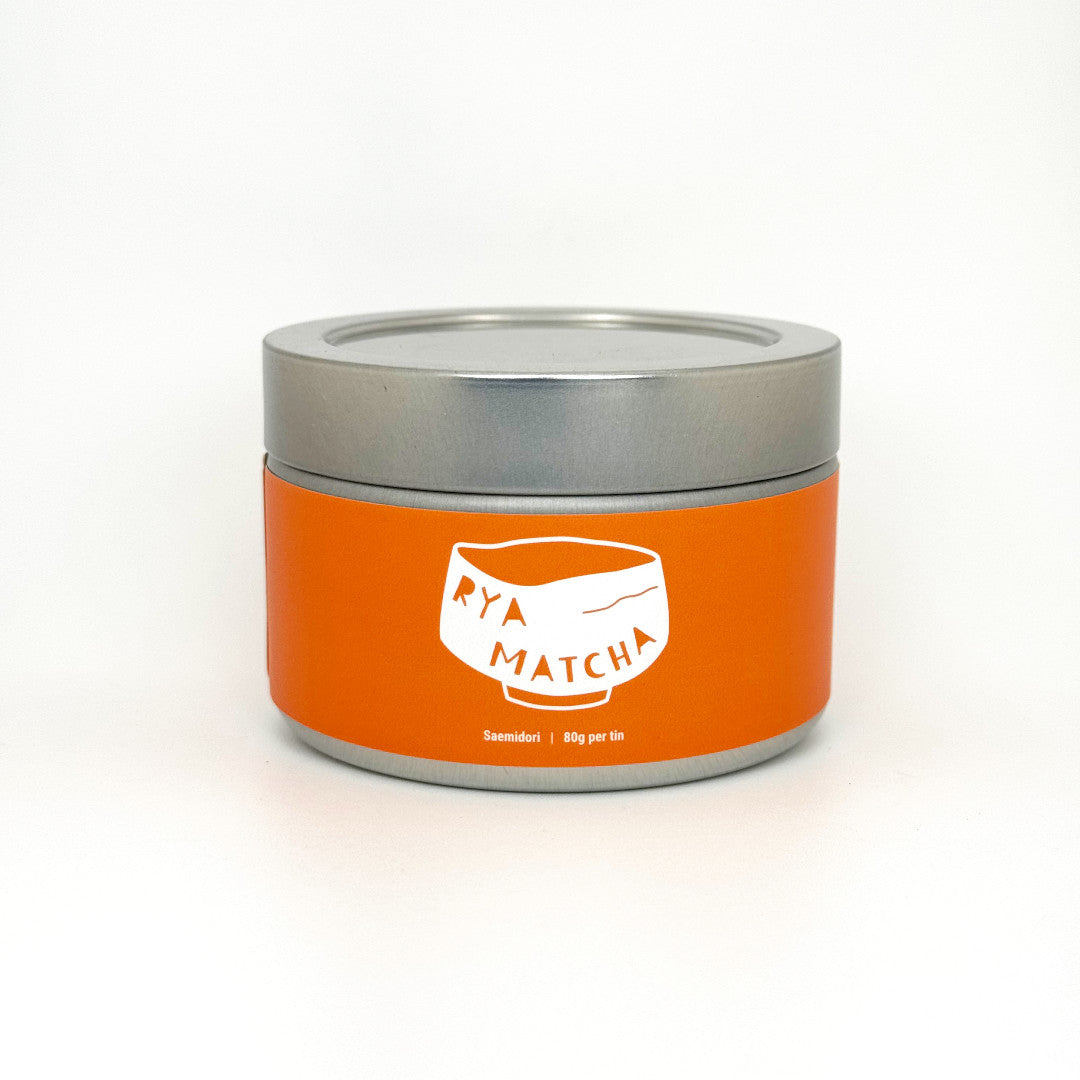
Matcha: Calm, Focused Energy
Matcha contains L-theanine, an amino acid that slows caffeine absorption. This creates:
- Smooth, sustained energy without jitters
- Improved focus and concentration
- A subtle “calm alertness” instead of a spike
Matcha’s vibrant green color and rich umami flavor also make it a visually and tastefully rewarding ritual.
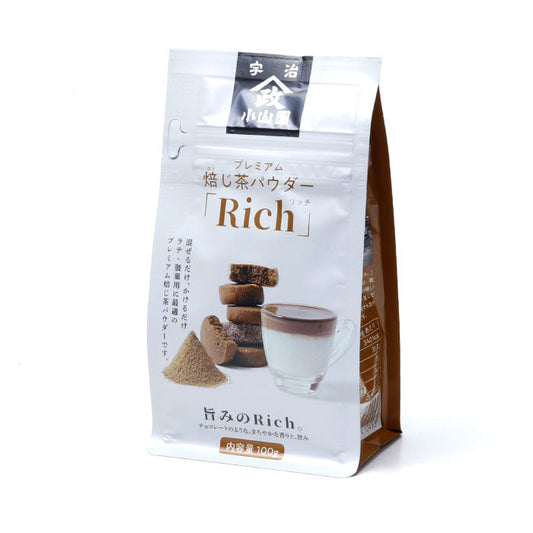
Hojicha: Gentle, Toasty Relaxation
Hojicha is roasted green tea, giving it a warm, nutty flavor with very low caffeine. It’s perfect for:
- Evening drinks or low-caffeine options
- Reducing stress while still enjoying a cozy tea ritual
- People sensitive to caffeine who still want a comforting beverage
Hojicha delivers flavor, aroma, and antioxidants without the jittery side effects of coffee.
Coffee: Quick, Bold Energy
Coffee delivers a rapid caffeine kick that can be ideal for mornings or workouts:
- Fast spike in alertness
- Bold, roasted flavors that many love
- Can cause jitters, crashes, or digestive issues for some
Coffee is great for immediate energy but may not sustain focus throughout the day as smoothly as matcha.
Health Benefits: Tea vs. Coffee
Matcha:
- High in antioxidants (EGCG, catechins)
- Supports metabolism and calm focus
- L-theanine reduces stress and enhances mental clarity
Hojicha:
- Rich in antioxidants despite low caffeine
- Roasting produces a soothing, nutty flavor
- Perfect for mindful relaxation
Coffee:
- Rich in antioxidants
- Boosts alertness and physical performance
- Can enhance mood and cognitive function
Both options offer health perks, but Japanese teas combine energy with mindfulness.
Flavor and Ritual
Matcha and hojicha encourage slowing down: whisking, brewing, and savoring creates a calming ritual. Coffee is often more utilitarian, designed for quick consumption.
When to Choose Matcha & Hojicha
- You want smooth, long-lasting energy (matcha)
- You prefer low caffeine, cozy drinks (hojicha)
- You enjoy mindful rituals and calming flavors
- You want antioxidants and wellness benefits
When to Choose Coffee
- You need fast, bold energy
- You love roasted, intense flavors
- You don’t mind short-term jitters or caffeine crashes
The Verdict: Japanese Tea or Coffee?
- For calm, balanced energy and wellness, matcha wins
- For low-caffeine relaxation, hojicha wins
- For immediate, strong stimulation, coffee wins
Many people mix and match: matcha for focused mornings, hojicha for a relaxing afternoon, and coffee when they need a fast pick-me-up.