Matcha Caffeine vs Coffee: Understanding Energy, Tradition, and Wellness
Share
Matcha Caffeine vs Coffee: Understanding Energy, Tradition, and Wellness
For those seeking mindful daily rituals and sustained energy, the question of matcha caffeine vs coffee is more relevant than ever. Understanding how these two popular beverages differ in caffeine content, effects, and cultural significance empowers you to make choices that align with your wellness goals and appreciation for authenticity. This guide explores the nuances behind matcha and coffee, from their origins and caffeine levels to their impact on body and mind.
Caffeine Content: Coffee vs Matcha Caffeine Levels
The caffeine in both matcha and coffee provides a stimulating effect, but the amount and experience can vary significantly:
- Matcha: A typical serving (1 gram or about 1/2 teaspoon) of ceremonial-grade matcha contains roughly 30–40mg of caffeine. Because matcha is powdered green tea consumed whole, the entire leaf’s nutrients and caffeine are ingested.
- Coffee: An 8-ounce cup of brewed coffee often contains 80–120mg of caffeine, depending on the beans and brewing method.
While coffee generally delivers more caffeine per cup, matcha’s unique composition means its effects unfold differently.
The Nature of Energy: Is Matcha Better Than Coffee?
Many wonder, is matcha better than coffee? The answer depends on your desired energy profile and lifestyle. Matcha’s caffeine is accompanied by L-theanine, an amino acid naturally present in shade-grown green tea. L-theanine modulates caffeine absorption, resulting in a gentler, more sustained release of energy. This can lead to increased focus, calm alertness, and less likelihood of jitters or a hard crash—qualities often valued by those practicing mindfulness or seeking balanced productivity.
Coffee, by contrast, delivers a quicker, more pronounced caffeine kick. While this immediate energy boost can be desirable, it may also lead to spikes and crashes, especially for those sensitive to caffeine.
Comparing Caffeine in Green Tea vs Coffee
It’s important to distinguish between caffeine in green tea vs coffee. Standard brewed green tea contains less caffeine than both coffee and matcha, averaging 20–30mg per cup. Matcha, being a concentrated form of green tea, offers higher caffeine content and a greater concentration of antioxidants. This makes matcha a unique choice for those wanting the benefits of green tea with a more noticeable energy lift.
Cultural Rituals and Wellness Traditions
Beyond caffeine, both matcha and coffee have deep-rooted cultural traditions. Japanese matcha ceremonies emphasize presence, respect, and the appreciation of craftsmanship—practices that resonate with those seeking mindful rituals. Coffee, with its own diverse heritage, often serves as a social or productivity enhancer in Western cultures. Choosing between the two can be as much about personal ritual and cultural affinity as it is about caffeine.
Choosing Quality Matcha for Mindful Energy
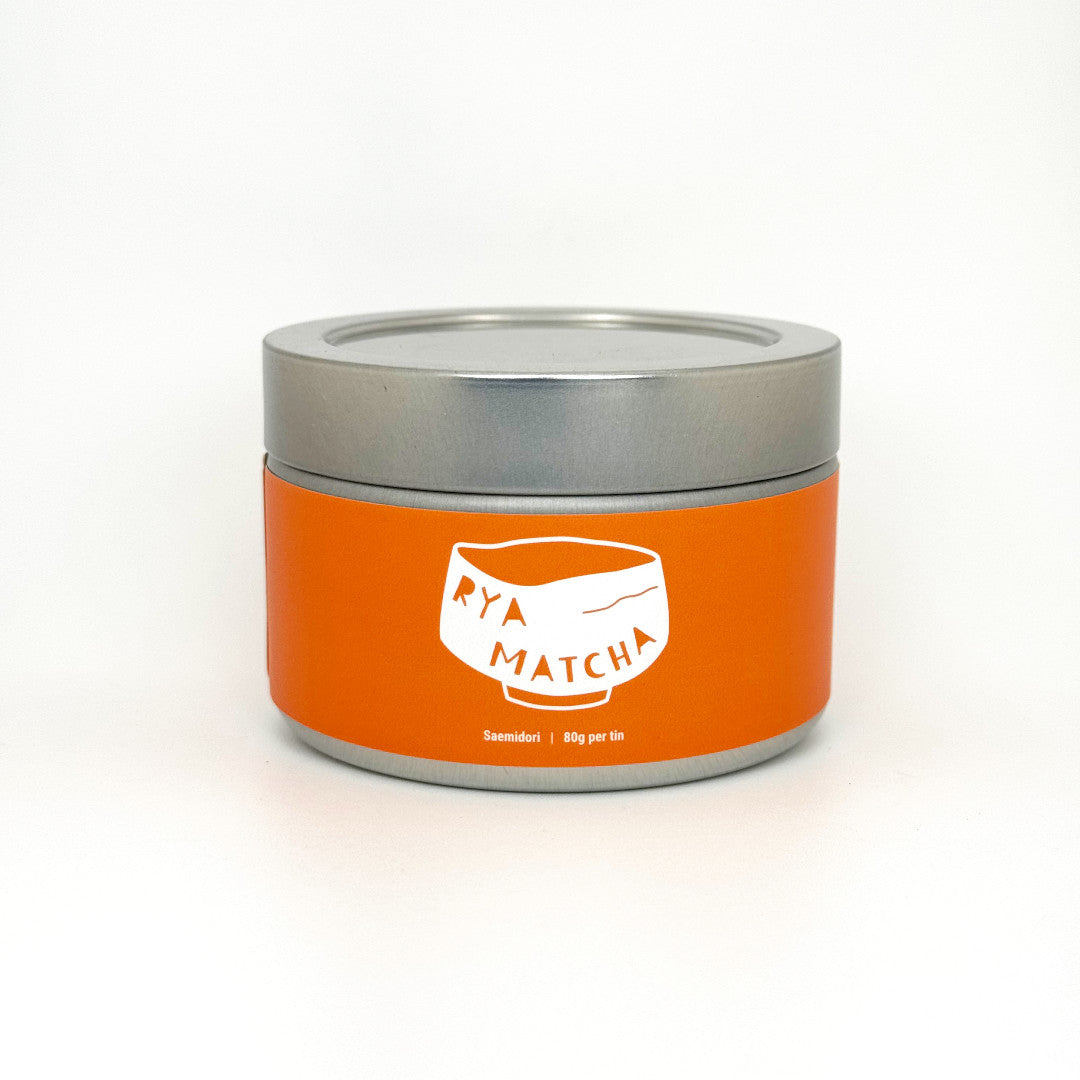
If you are curious to experience the unique energy and tradition of matcha, sourcing authentic, high-quality matcha is essential. Ujicha Matcha offers premium Japanese matcha, directly sourced from renowned regions and shipped fresh from California. Explore their matcha collection to discover options that suit your daily rituals.
Frequently Asked Questions
- How much caffeine is in a serving of matcha compared to coffee?
- One serving of matcha (about 1 gram) provides 30–40mg of caffeine, while an 8-ounce cup of coffee typically contains 80–120mg.
- Does matcha give you the same energy as coffee?
- Matcha offers a smoother, sustained energy due to L-theanine, while coffee delivers a faster, more intense caffeine boost.
- Is matcha less likely to cause jitters than coffee?
- Yes. The presence of L-theanine in matcha helps promote calm alertness and reduces the chance of jitters.
- Is matcha or coffee better for focus?
- Many find matcha supports sustained focus and mental clarity, while coffee can offer a quick burst of alertness.
- Can you drink matcha if you are sensitive to caffeine?
- Matcha contains less caffeine than coffee and its effects are gentler, but individual sensitivity varies. Start with small amounts if unsure.
Conclusion: Making Mindful Choices—Matcha Caffeine vs Coffee
When considering matcha caffeine vs coffee, both beverages offer unique benefits rooted in tradition and chemistry. For those seeking a smoother, more mindful energy experience with added wellness advantages, premium Japanese matcha stands out as a compelling choice. Whether for daily rituals, focus, or cultural appreciation, understanding these differences empowers you to choose what best supports your lifestyle and values.