Matcha Caffeine vs. Coffee: Which Is Better for Your Daily Energy?
Share
For many of us, the morning doesn't truly begin until we’ve had that first warm cup. It is a ritual that signals the start of the day, offering a moment of stillness before the schedule takes over. However, if your daily brew leaves you feeling jittery by 10 a.m. or crashing by 2 p.m., you might be reconsidering your caffeine source.
The debate between matcha and coffee is about more than just flavor preferences; it is about how your body processes energy. While both beverages act as stimulants, the experience they provide is vastly different. One offers a quick, high-intensity spike, while the other provides a slow, sustained burn. Understanding the science behind matcha caffeine versus coffee can help you make an intelligent choice for your productivity, wellness, and long-term health.
What Is the Difference Between Matcha and Coffee?
To understand how these drinks affect your energy levels, it is helpful to understand what they actually are. Coffee, as most know, is an infusion made from roasted beans. When you drink coffee, you are consuming the water-soluble compounds extracted from the bean, while the grounds are discarded.
Matcha, conversely, is a finely ground powder made from shade-grown green tea leaves. Unlike steeped tea or coffee, when you drink matcha, you are consuming the entire leaf suspended in water. This difference is crucial. By ingesting the whole leaf, you receive 100% of the plant's nutrients, antioxidants, and caffeine, rather than just what can be steeped out.
Because matcha is grown under shade for weeks before harvest—a traditional Japanese method perfected in regions like Uji—the plants overproduce chlorophyll and amino acids. This unique cultivation process is what gives high-quality matcha its vibrant green color and distinct savory flavor, known as umami.
Why This Comparison Matters
Choosing between matcha and coffee isn't just about waking up; it is about how you want to feel for the rest of the day. Coffee is effective, but it is often accompanied by a biological "tax"—cortisol spikes, increased heart rate, and the inevitable energy crash.
For wellness-minded individuals, the goal is often alertness without anxiety. We live busy lives, and the last thing we need is a beverage that mimics the physical sensations of stress. Switching to or incorporating matcha can transform your daily energy from a frantic rush into a focused flow state. It allows you to stay productive and mindful without the physical side effects often associated with high coffee consumption.
Key Factors to Know
When deciding which brew belongs in your morning mug, several chemical and biological factors come into play. Here is how they stack up.
Caffeine Content per Serving
There is a common misconception that matcha is "decaf" or extremely low caffeine compared to coffee. In reality, matcha is quite potent, though the delivery system is different.
- Coffee: An average 8-ounce cup of brewed coffee contains about 95 mg of caffeine, though this can range from 80 mg to over 100 mg depending on the roast and brewing method.
- Matcha: A standard serving of matcha (typically 2 grams, or one teaspoon) generally contains between 40 mg and 80 mg of caffeine.
While the milligram count in matcha might appear slightly lower or comparable to coffee, the effect feels stronger and longer-lasting to many people. This is because you are digesting the tea leaf fibers, which slows down the absorption of caffeine into the bloodstream.
The L-Theanine Effect
This is the single biggest differentiator between the two beverages. Matcha is rich in L-theanine, a rare amino acid found in high concentrations in shade-grown green tea.
L-theanine promotes alpha brain wave activity, which is associated with a state of "alert relaxation." When L-theanine is combined with caffeine, it acts synergistically to smooth out the stimulant's rough edges. It prevents the jittery, heart-racing sensation often caused by coffee, resulting in a calm, focused energy that can last for 4 to 6 hours. This combination is often referred to as "zenergy" among tea enthusiasts.
Antioxidants and Health Benefits
Both coffee and tea contain antioxidants, but matcha is in a league of its own. Matcha is packed with catechins, specifically epigallocatechin gallate (EGCG). EGCG is known for its metabolism-boosting and anti-inflammatory properties. Because you are ingesting the whole leaf, one bowl of matcha can deliver the antioxidant equivalent of roughly 10 cups of steeped green tea.
Coffee is high in chlorogenic acid, which also has health benefits, but heavy coffee consumption can sometimes lead to digestive acidity, which brings us to the next point.
Acidity and Digestion
Coffee is naturally acidic, with a pH of around 5. For many people, drinking coffee—especially on an empty stomach—can stimulate hyper-acidity, leading to indigestion, acid reflux, or an upset stomach.
Matcha is much gentler on the digestive system. It has a nearly neutral pH, making it a better option for those with sensitive stomachs. Additionally, the chlorophyll in matcha can aid in digestion and detoxification, making it a soothing way to start the morning.
How to Choose the Right Option
Neither drink is inherently "bad," but one likely fits your lifestyle and wellness goals better than the other.
Stick with Coffee If:
- You genuinely enjoy the specific taste of roasted beans and it brings you joy.
- You need a very rapid, short-term spike in energy to wake up immediately.
- You do not experience anxiety, jitters, or digestive issues from acidity.
Switch to Matcha If:
- You are looking for sustained energy that lasts through the afternoon without a crash.
- You struggle with anxiety or "coffee jitters" but still need to focus.
- You want to increase your intake of antioxidants and support metabolic health.
- You value a mindful preparation ritual that encourages patience and presence.
- You want to avoid coffee breath and teeth staining (matcha contributes to oral health rather than harming it).
Common Mistakes to Avoid
If you decide to try matcha, avoid these common pitfalls to ensure you have the best experience possible.
- Using Boiling Water: Never use boiling water for matcha. It burns the delicate leaves and makes the tea taste bitter. Aim for water around 175°F (80°C).
- Buying "Culinary" Grade for Drinking: Culinary matcha is designed for baking and smoothies. It is often bitter and dull in color. For drinking plain or in lattes, always choose Ceremonial Grade matcha, which is made from the youngest, sweetest leaves.
- Assuming All Matcha is the Same: Quality varies wildly based on region and processing. Low-quality matcha can taste grassy, sandy, or muddy.
- Adding Too Much Sugar: While a sweet latte is a nice treat, high-quality matcha has a natural sweetness and savory umami profile that is best enjoyed with minimal sweeteners.
How to Choose the Right Matcha
If you are ready to experience the sustained energy of green tea, sourcing is everything. The best matcha comes from Japan, specifically regions with a history of tea cultivation like Uji and Yame.
When shopping, look for vibrant, electric green powder. A dull, yellow-brown hue indicates oxidation or mature leaves, which will result in a bitter taste. Freshness is also paramount; matcha is a fresh food product and should be stored in an airtight container away from light.
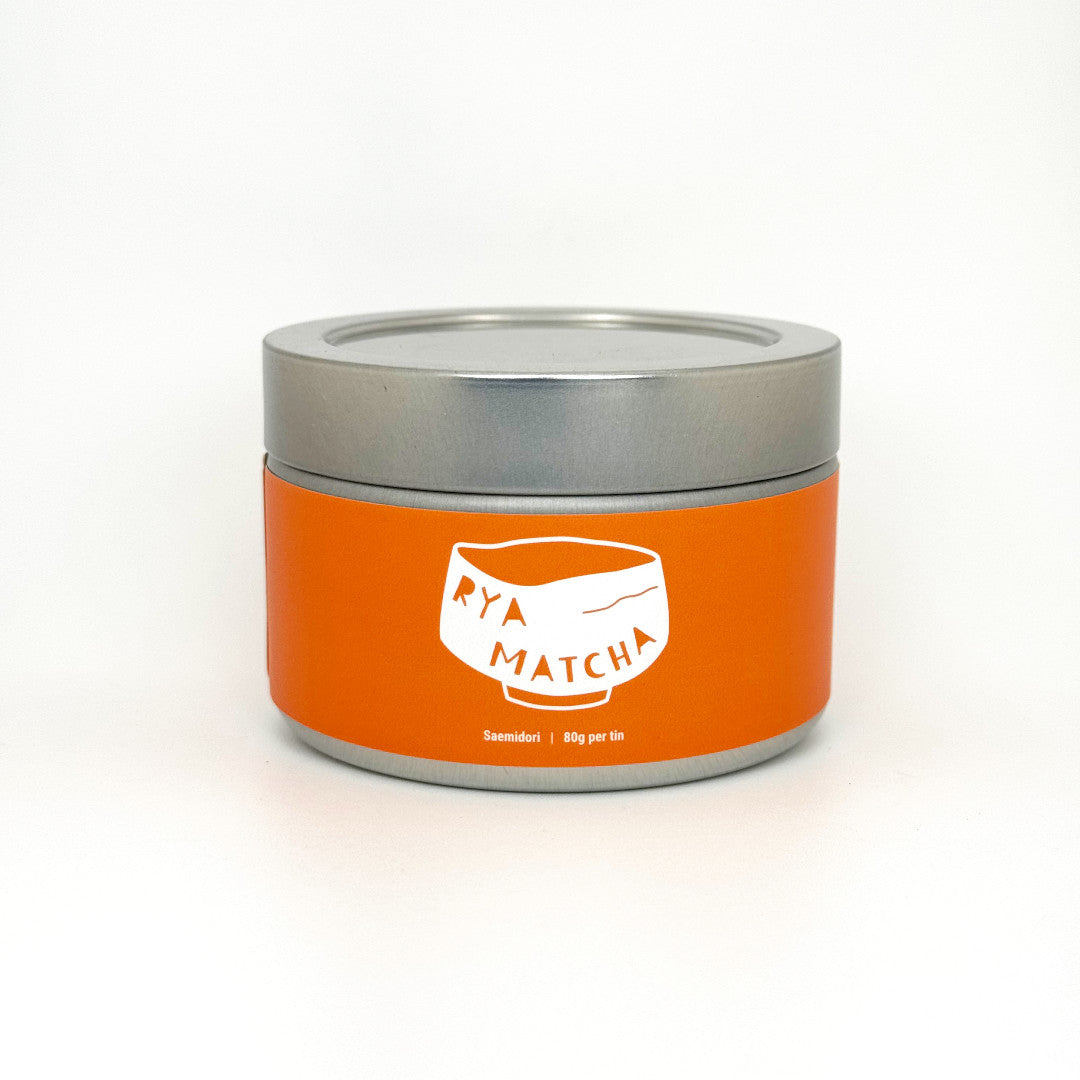
For those seeking an authentic introduction to this ritual, Ujicha Matcha offers premium, ceremonial-grade tea sourced directly from the fields of Uji. By prioritizing direct-from-farm relationships and rapid fulfillment from California, we ensure that the matcha in your bowl retains the complex flavor profile and nutritional potency intended by the farmers.
FAQs
Does matcha stain your teeth like coffee?
No. While coffee contains tannins that stain tooth enamel, matcha actually promotes oral health. The catechins in green tea have antibacterial properties that can help prevent plaque buildup and bad breath.
Can I drink coffee and matcha in the same day?
Yes, but be mindful of your total caffeine intake. Many people enjoy a cup of coffee in the morning for the taste and switch to matcha in the late morning or afternoon for sustained focus without disrupting their sleep cycle.
Is matcha safe during pregnancy?
Generally, moderate caffeine consumption is considered safe during pregnancy, but every individual is different. Because matcha contains caffeine, it is best to consult your healthcare provider regarding specific limits for your situation.
Why does matcha cost more than coffee?
The production of matcha is incredibly labor-intensive. It involves shading the plants, hand-selecting the best leaves, removing stems and veins, and stone-grinding the leaves into a micro-fine powder. This artisanal process results in a higher price point, but also a significantly higher nutrient density per serving.
Experience the Difference
Ultimately, the choice between matcha and coffee depends on how you want to fuel your body and mind. If you are seeking a shift away from the adrenaline roller coaster of coffee and toward a state of calm, clear-headed productivity, matcha is the intelligent choice.
By integrating this ancient superfood into your modern routine, you aren't just getting a caffeine fix—you are participating in a ritual of wellness that supports your body from the inside out.
Ready to upgrade your morning ritual? Explore our collection of authentic, Japanese-grown matcha and discover the vibrant flavor and sustained energy of Ujicha Matcha.