Matcha Can vs. Bag vs. Pouch: Which Packaging to Buy and Why
Share
Matcha Can vs. Bag vs. Pouch: Which Packaging to Buy and Why
Choosing the right matcha can or alternative packaging isn’t just about aesthetics—it’s essential to maintaining the freshness, flavor, and ritual of your daily matcha. For those who treasure authentic Japanese matcha, understanding how packaging impacts quality can elevate your tea experience. This guide explores the strengths and considerations of matcha cans, bags, and pouches, empowering you to make an informed choice for your mindful rituals.
Why Packaging Matters for Matcha Quality
Matcha is uniquely sensitive to light, moisture, air, and heat. Its vibrant green color and delicate flavors are best preserved when stored in an airtight, opaque environment. The right packaging not only safeguards the tea’s freshness but also helps maintain its nutritional integrity. Whether you’re a daily drinker or savoring ceremonial moments, choosing the appropriate matcha packaging is an integral part of your matcha journey.
The Matcha Can: Tradition Meets Function
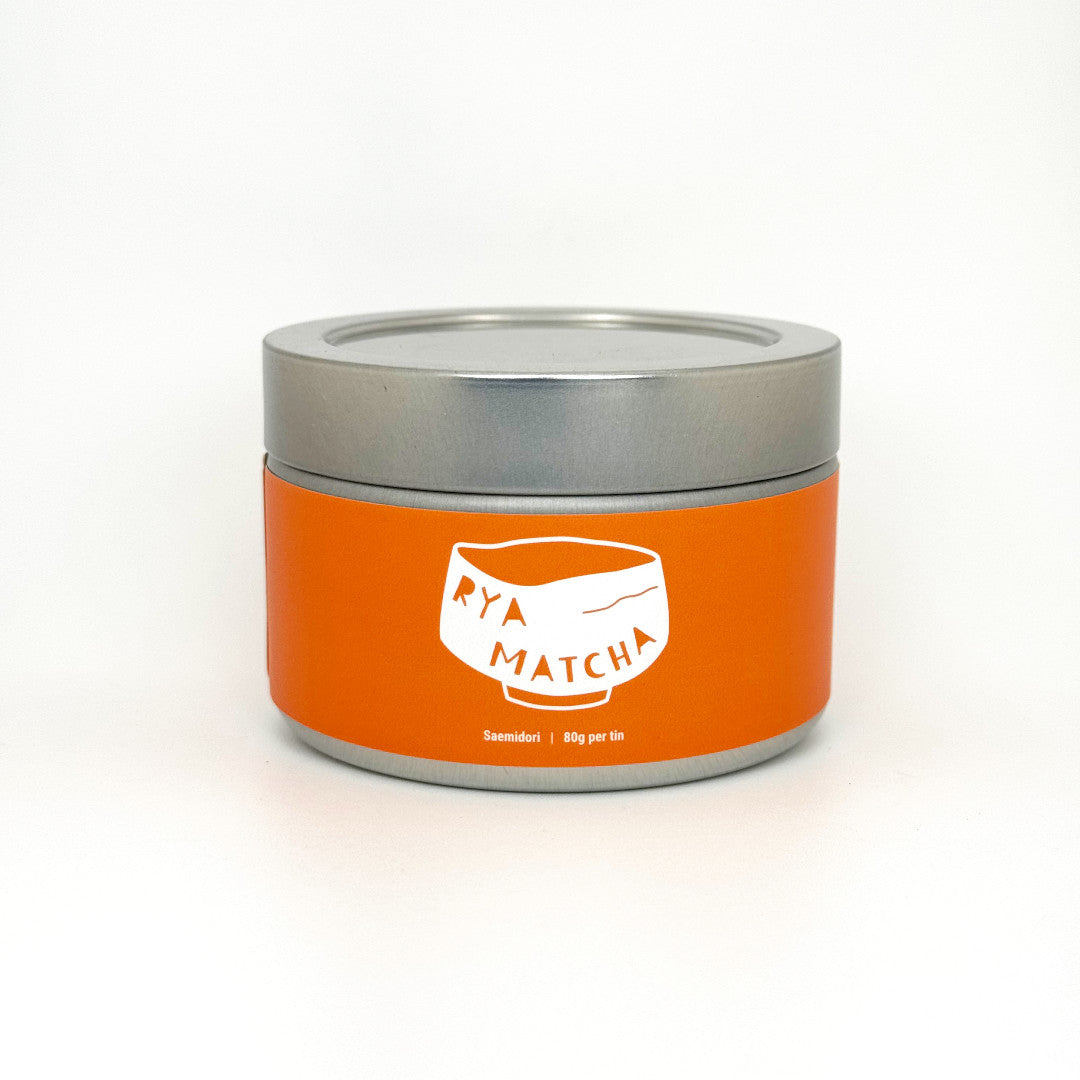
A matcha can—sometimes called a matcha tea canister or matcha tin container—is the classic vessel for premium Japanese matcha. Crafted from metal or food-safe tin, these containers are designed to be airtight and lightproof, protecting matcha from the elements that degrade its quality. The can’s compact size also makes it easy to measure and scoop matcha, adding a sense of ritual to preparation.
- Pros: Superior protection from air, light, and humidity; preserves vibrant color and flavor; reusable for sustainable storage.
- Cons: Slightly higher cost; may require occasional cleaning to avoid residue buildup.
If you’re seeking a storage solution that honors tradition and maximizes freshness, a matcha can is a wise investment. For a curated selection of matcha storage containers and teaware, explore the teaware tools at Ujicha Matcha.
Matcha Bag: Convenience and First-Time Use
Matcha bags are typically made from foil-lined paper or plastic, offering a lightweight, cost-effective way to package matcha. Bags are commonly used for initial shipping or smaller sample sizes. While they may be resealable, they are less effective at long-term protection compared to a dedicated matcha can.
- Pros: Lightweight and portable; often resealable; more affordable for entry-level matcha.
- Cons: More vulnerable to air, moisture, and light; best for short-term storage or travel.
To maintain quality, it’s advisable to transfer your matcha from a bag to an airtight container soon after opening.
Matcha Pouch: Modern Practicality
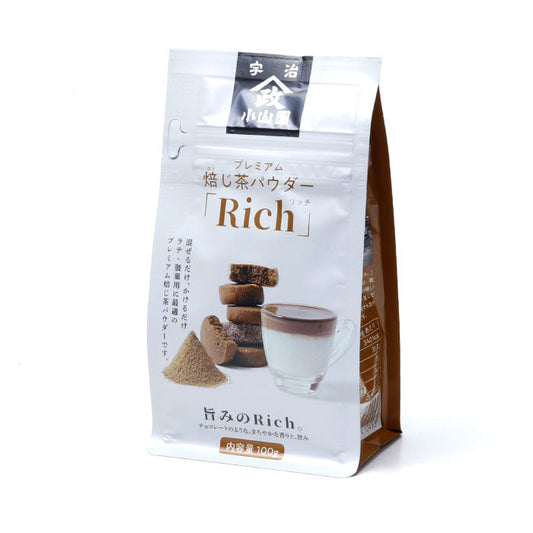
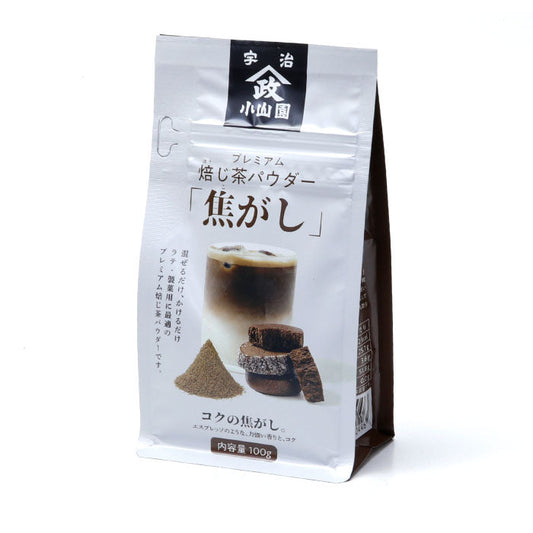
Resealable matcha pouches offer a middle ground between bags and cans. Constructed from foil or multi-layered materials, these pouches are designed to block light and humidity while remaining easy to store. They’re favored for their convenience and space efficiency.
- Pros: Good protection from air and light; flexible and easy to store; often resealable.
- Cons: May not be as airtight as a matcha can; can be less ritualistic for traditional preparation.
For those with limited space or who prefer a more contemporary approach, pouches balance practicality and freshness—though for ceremonial or daily rituals, many still transfer matcha to a tin container after opening.
How to Store Matcha for Maximum Freshness
No matter which matcha packaging you choose, proper storage is essential. Always keep matcha in a cool, dry place, away from sunlight and strong odors. For long-term preservation, consider dividing larger quantities into smaller containers to minimize exposure each time you open your storage vessel.
Using a dedicated matcha storage container—especially a matcha can—ensures your matcha remains vibrant and flavorful for as long as possible.
FAQ
-
How long does matcha stay fresh in a matcha can?
When stored in an airtight matcha can and kept cool and dark, matcha can retain optimal freshness for up to two months after opening. -
Is a matcha tin container better than a resealable pouch?
A matcha tin container generally provides better protection against air and light, helping to preserve quality longer than most pouches. -
Can I store matcha in the fridge?
Yes, but ensure the container is truly airtight to prevent moisture and odor absorption. Allow matcha to return to room temperature before opening to avoid condensation. -
Are matcha bags safe for long-term storage?
Matcha bags are best for short-term storage. For lasting freshness, transfer matcha to a canister or tin after opening. -
What’s the best way to scoop matcha from a can?
Use a dry, clean bamboo scoop (chashaku) or teaspoon. Avoid introducing moisture or contaminants to the container.
Conclusion
In the world of Japanese tea, packaging plays a vital role in preserving the unique qualities of matcha. While bags and pouches offer convenience, a dedicated matcha can provides the best long-term protection for flavor, color, and tradition. By investing in the right matcha storage container, you honor the care that goes into every leaf and elevate your daily ritual. For trusted teaware and authentic matcha, Ujicha Matcha is here to guide your journey with expertise and respect for tradition.