Matcha for Weight Loss: Science, Ritual, and Wellness Insights
Share
Matcha for Weight Loss: Science, Ritual, and Wellness Insights
Matcha, the vibrant powdered green tea, has captured the attention of wellness enthusiasts seeking holistic approaches to health. As more people explore matcha for weight loss, understanding the science, tradition, and mindful rituals behind this ceremonial tea is essential. With its roots in Japanese culture, matcha offers a unique blend of flavor, history, and potential wellness benefits that go beyond trends—especially when quality and authenticity are prioritized.
Understanding Matcha: Tradition Meets Wellness
Matcha is finely ground green tea made from shade-grown leaves, traditionally cultivated and stone-milled in Japan. Unlike steeped green tea, you consume the entire leaf, maximizing the intake of antioxidants and nutrients. For centuries, matcha has been celebrated for supporting focus and calm—a cornerstone of Japanese tea culture and rituals.
How Does Matcha Help Lose Weight?
Many are curious: does matcha help lose weight? Emerging research suggests matcha may support weight management through several mechanisms. The combination of catechins (especially EGCG) and natural caffeine in matcha may gently enhance metabolism. This synergy can help increase thermogenesis—your body’s process of burning calories to produce heat—contributing to the concept of green tea fat burning.
However, matcha is not a quick fix. Sustainable weight loss is best achieved through mindful lifestyle choices, including balanced nutrition and physical activity. Integrating matcha into your daily rituals can support these efforts, offering a gentle energy boost and a moment of calm.
Matcha Metabolism: What the Science Says
Studies comparing matcha to other green teas have found that its unique cultivation process preserves higher levels of antioxidants and amino acids. The catechins in matcha, particularly EGCG, are associated with increased calorie expenditure and fat oxidation. Matcha's caffeine content is lower than coffee, but when combined with L-theanine, it provides sustained, focused energy without jitters—making it ideal for pre-workout routines or daily rituals.
While matcha metabolism effects are promising, keep expectations realistic. Matcha should be viewed as a supportive element in an overall wellness journey rather than a singular solution.
Choosing Quality Matcha for Weight Loss Benefits
Not all matcha is created equal. For optimal flavor, nutrients, and wellness support, choose authentic Japanese matcha—ideally ceremonial or premium grade. High-quality matcha is vibrant green, finely milled, and free from bitterness. Lower grades or matcha mixed with additives may lack the beneficial compounds linked to metabolism and wellness.
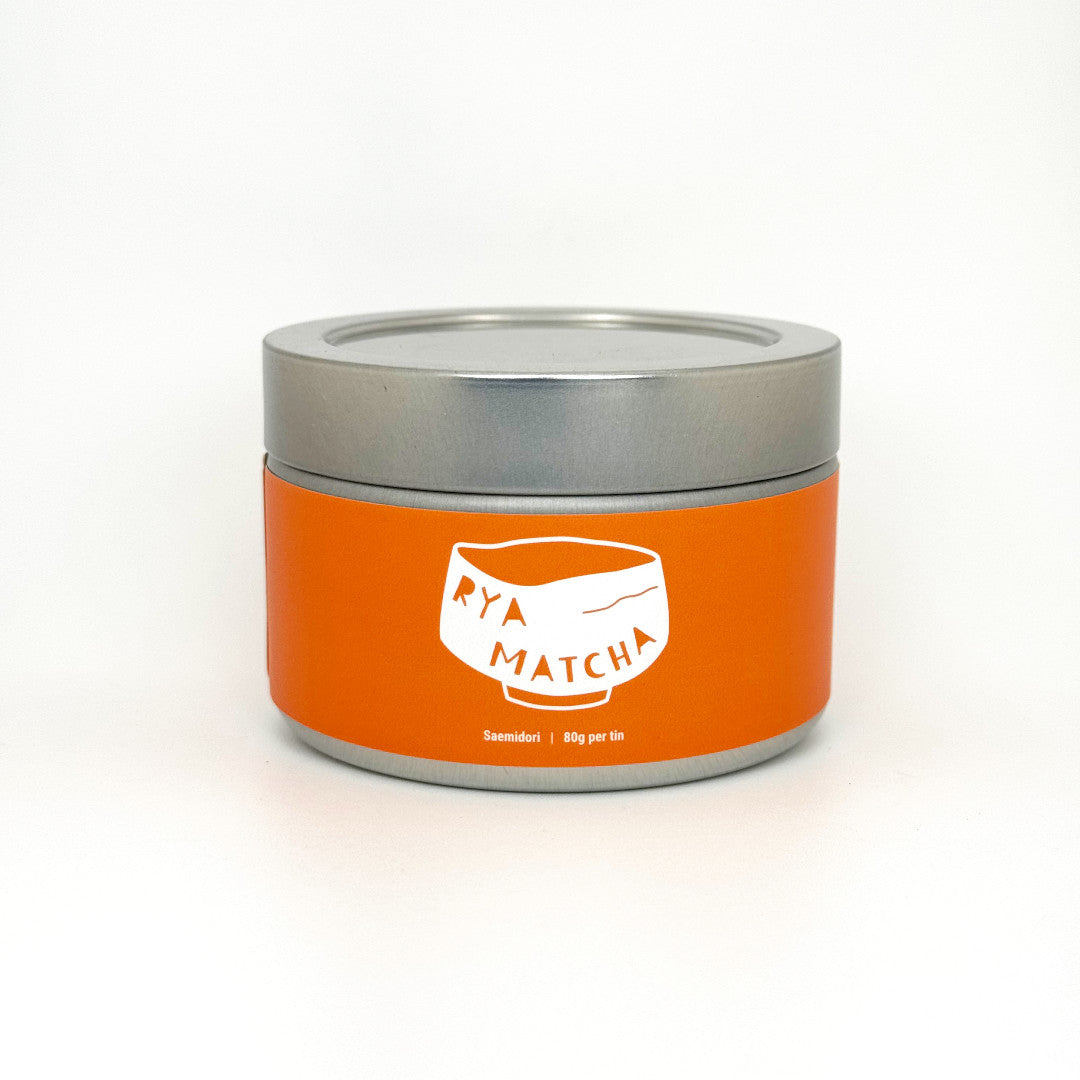
If you’re seeking genuine matcha for your wellness routine, Ujicha Matcha offers direct-sourced Japanese matcha, shipped fresh for peak quality and authenticity.
Integrating Matcha into Mindful Rituals
Beyond its nutritional profile, matcha invites a mindful approach to daily living. Preparing matcha—whether in the traditional Japanese style or as a modern latte—can become a grounding ritual. This pause to whisk, sip, and savor not only supports wellness but also encourages a balanced relationship with food and self-care.
FAQ: Matcha for Weight Loss
-
Is matcha better than regular green tea for weight loss?
Matcha contains higher concentrations of antioxidants and nutrients since you consume the whole leaf. This may offer enhanced support for metabolism compared to regular steeped green tea. -
How much matcha should I drink daily for wellness?
One to two servings (approximately 1–2 grams per serving) is typical for most adults. Always listen to your body and consult with a healthcare professional if you have specific health concerns. -
Can I add matcha to smoothies or recipes for weight management?
Absolutely. Matcha can be incorporated into smoothies, oatmeal, or healthy baking for an easy and delicious way to enjoy its benefits. -
Does matcha suppress appetite?
Some people find that matcha’s combination of caffeine and L-theanine supports gentle appetite control, but effects can vary by individual. -
Is there a best time of day to drink matcha for weight loss?
Many enjoy matcha in the morning or early afternoon for sustained energy. Avoid late-day consumption if you are sensitive to caffeine.
Conclusion: Matcha for Weight Loss—A Mindful Choice
Exploring matcha for weight loss offers more than a trend—it’s an invitation to mindful rituals, quality ingredients, and respect for Japanese tea heritage. While matcha may gently support metabolism and wellness, its true value lies in daily moments of presence and nourishment. For those seeking authentic Japanese matcha to enrich their routines, Ujicha Matcha is a trusted source for quality and freshness—delivered with expertise and care.