Matcha Taste Guide: How Cultivar & Region Change Flavor
Share
Matcha Taste Guide: How Cultivar & Region Change Flavor
Matcha taste is a captivating journey through Japan’s tea fields, shaped by the interplay of cultivar and region. For those who appreciate authenticity and mindful rituals, understanding what influences matcha’s flavor can deepen your enjoyment and guide you to the perfect cup. This guide explores how different tea plant cultivars and growing regions create the unique spectrum of matcha flavors, from delicate umami to vibrant vegetal notes.
Understanding the Foundations of Matcha Taste
Japan’s premium matcha is crafted from finely ground, shade-grown tencha leaves. Yet, the matcha taste you experience depends on several factors: the cultivar (tea plant variety), the region where it’s grown, and the producer’s skill. Together, these elements create a rich tapestry of flavors—from creamy, sweet, and umami matcha to those with subtle bitterness or floral notes.
How Cultivar Influences Matcha Taste
The term "cultivar" refers to the specific variety of the Camellia sinensis plant used to produce matcha. Each cultivar imparts its own flavor profile, aroma, and mouthfeel. Let’s explore a few key cultivars:
Okumidori Matcha Taste
Okumidori is prized for its balanced sweetness and rich umami. Okumidori matcha taste is often described as mellow and smooth, with gentle vegetal notes. This makes it a favorite for those seeking a refined, approachable matcha experience.
Samidori Matcha Flavor
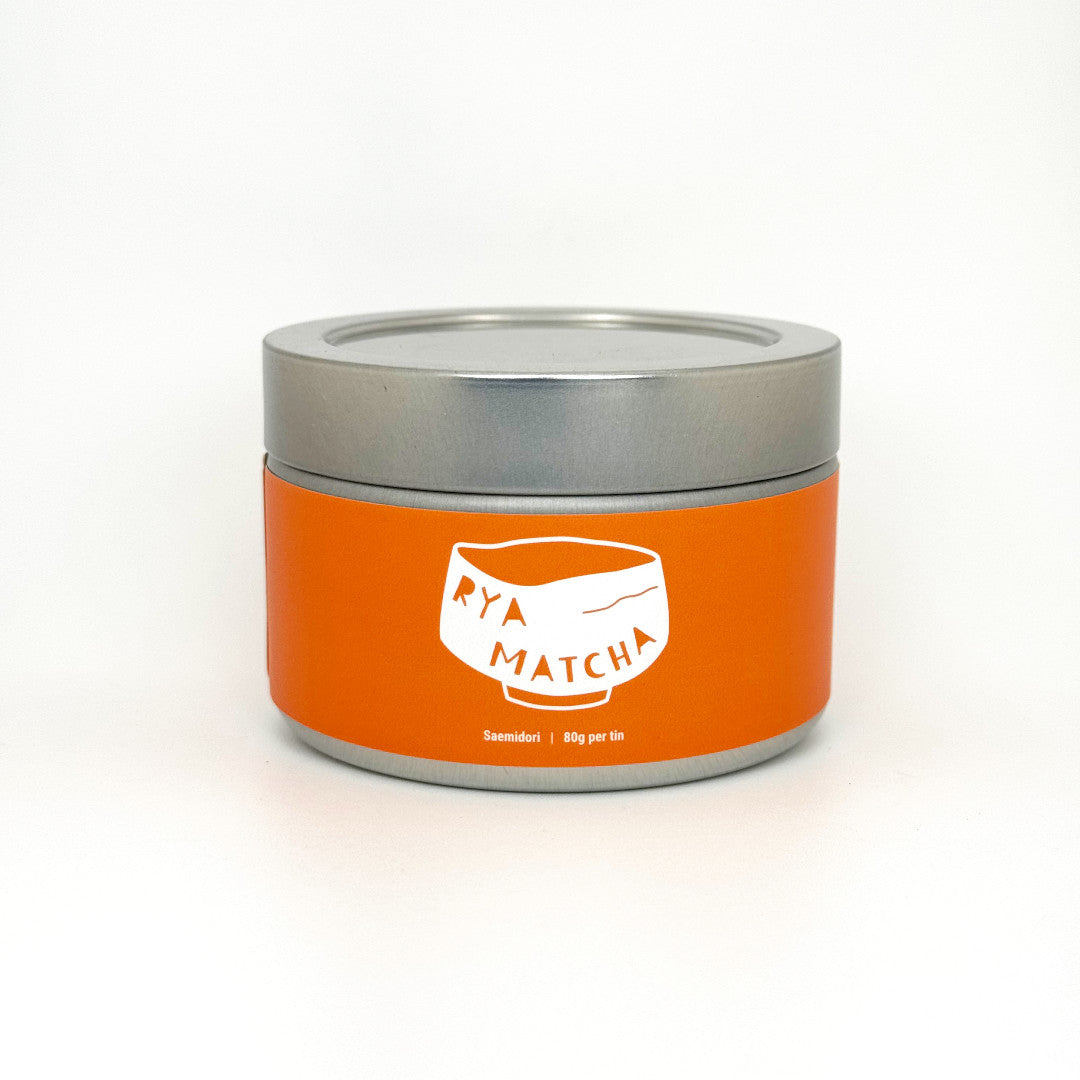
Samidori is another esteemed cultivar, known for its vibrant color and delicate, slightly floral profile. Samidori matcha flavor often features a soft sweetness and clean finish, making it ideal for ceremonial use and those who enjoy subtle, nuanced flavors.
Single Cultivar Matcha vs. Blends
While many matcha producers blend leaves from different cultivars and regions to achieve a consistent taste, single cultivar matcha showcases the unique characteristics of one variety. This allows enthusiasts to explore the distinct flavors, aromas, and textures that each cultivar provides.
The Role of Region in Matcha Taste
Japanese matcha regions—like Uji, Nishio, and Shizuoka—each bring their own terroir to the cup. Soil composition, climate, and traditional farming techniques shape the final product:
- Uji: Renowned for producing deeply umami matcha with a creamy mouthfeel and complex sweetness.
- Nishio: Known for bright green hues and a slightly more vegetal, fresh profile.
- Shizuoka: Offers matcha with clean, grassy notes and gentle astringency.
Just as with wine, exploring matcha from different regions can open up new dimensions in taste and aroma.
Blend vs. Single Origin Matcha: What’s the Difference?
The debate between blend vs single origin matcha comes down to consistency versus individuality. Blends combine leaves from multiple cultivars or regions to achieve a steady flavor profile, while single origin or single cultivar matcha highlights the unique qualities of one source. For those seeking authenticity and depth, single origin matcha can be a rewarding choice, offering a true expression of terroir and craftsmanship.
What Makes Umami Matcha So Special?
Umami matcha is celebrated for its savory, mellow richness—a hallmark of high-quality Japanese matcha. This flavor is developed by shading the tea plants before harvest, which increases the natural amino acids (like L-theanine) and reduces bitterness. The result is a creamy, satisfying matcha taste that lingers pleasantly on the palate.
Choosing Matcha: A Guide for the Curious and Quality-Driven
For young women who value mindful rituals and authenticity, exploring matcha is a personal journey. Sampling different cultivars and regions can help you discover the flavors that resonate with your palate. If you seek premium, authentic Japanese matcha—freshly sourced and expertly curated—consider exploring the selection at Ujicha Matcha, where quality and traceability are at the heart of every offering.
FAQ: Matcha Taste, Cultivars, and Regions
- What factors influence matcha taste the most?
- The primary influences are the tea plant cultivar, growing region, shading techniques, and the skill of the tea producer.
- Is single cultivar matcha better than blends?
- Single cultivar matcha offers a unique, focused flavor profile, while blends provide consistency. Preference depends on whether you value nuance or uniformity.
- What does okumidori matcha taste like?
- Okumidori matcha is known for its smooth, sweet, and umami-rich profile with gentle vegetal notes.
- How does region affect matcha flavor?
- Soil, climate, and local techniques in regions like Uji, Nishio, or Shizuoka create distinctive matcha tastes, from creamy and sweet to fresh and grassy.
- What defines umami matcha?
- Umami matcha is high in amino acids, resulting in a savory, mellow richness and creamy mouthfeel.
Conclusion: Discover the Spectrum of Matcha Taste
Exploring matcha taste is a rewarding pursuit for those seeking authenticity and mindful enjoyment. By understanding the impact of cultivar and region, you can better appreciate the subtle differences in each cup—from the smooth umami of okumidori to the floral notes of samidori, and the unique characters of Japan’s matcha regions. For a curated selection of premium matcha, explore Ujicha Matcha’s offerings and savor the true art of Japanese tea.