Organic Hojicha: Is Certification Worth It When Sourcing?
Share
Organic Hojicha: Is Certification Worth It When Sourcing?
Organic hojicha is gaining popularity among tea enthusiasts seeking authentic Japanese flavors with a mindful approach to wellness. As awareness of food origins and sustainable practices grows, many wonder if choosing organic hojicha truly makes a difference. In this article, we’ll explore what organic certification means for hojicha, how it impacts quality and flavor, and whether it’s worth considering when sourcing this unique roasted green tea.
Understanding Hojicha and Its Origins
Hojicha, or japanese tea hojicha, is a traditional Japanese green tea that stands out for its distinctive roasting process. Unlike other green teas, hojicha is roasted over charcoal or in porcelain pots, transforming its color to a warm brown and imparting a toasty, nutty aroma. Originating in Kyoto in the early 20th century, this tea is valued for its low caffeine content and smooth, mellow flavor—qualities that make it ideal for evening rituals or mindful moments throughout the day.
What Does "Organic" Mean for Hojicha?
The term "organic" refers to tea cultivated without synthetic pesticides, herbicides, or chemical fertilizers. For organic hojicha green tea, this means the leaves are grown under strict guidelines that prioritize ecosystem balance and soil health. In Japan, organic certification is regulated by organizations such as JAS (Japanese Agricultural Standard), ensuring adherence to rigorous standards from cultivation through processing and packaging.
Certification: Quality, Safety, and Sustainability
Organic certification offers several benefits:
- Quality Assurance: Certified organic hojicha must meet high standards, reducing exposure to synthetic residues and supporting cleaner farming practices.
- Environmental Care: Organic fields promote biodiversity and long-term soil vitality, which can translate to more nuanced tea flavors and healthier ecosystems.
- Consumer Confidence: Certification provides traceability and transparency, reassuring buyers that their tea aligns with their values.
Does Organic Certification Affect Hojicha’s Flavor?
One of the central questions for tea lovers is whether organic hojicha tastes different from conventionally grown tea. While the roasting process is the most significant factor influencing hojicha’s signature notes, organic cultivation can subtly affect the base leaf’s character. Some aficionados find that organic hojicha offers a cleaner, more vibrant profile, with earthy undertones and a lingering sweetness. However, the skill of the tea farmer and the quality of the raw leaves remain just as important as certification status.
How to Source Authentic Organic Hojicha
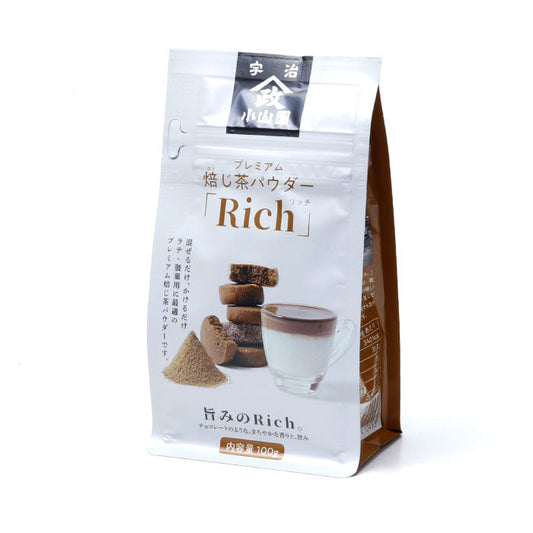
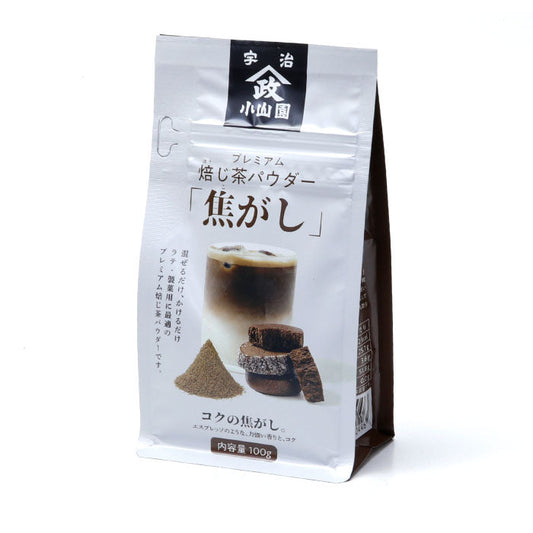
When sourcing hojicha, especially hojicha tea powder for lattes or culinary uses, look for transparency about origin and processing. Seek out reputable vendors who can provide details about their producers, certifications, and harvest methods. At Ujicha Matcha, we partner directly with Japanese farmers dedicated to both tradition and innovation, offering a selection of organic hojicha that honors its roots while meeting modern standards for purity and flavor.
FAQ: Organic Hojicha and Sourcing
- Is all Japanese hojicha organic?
- No, not all hojicha is certified organic. While many farmers use sustainable practices, formal certification ensures compliance with organic standards.
- Does organic hojicha have less caffeine than regular hojicha?
- Organic and conventional hojicha have similar caffeine levels, which are naturally lower than other green teas due to the roasting process.
- How can I tell if hojicha is truly organic?
- Look for certifications such as JAS, USDA, or EU Organic on packaging and verify the vendor’s sourcing transparency.
- Is organic hojicha worth the higher price?
- Many find the added assurance of environmental care and purity worth the investment, but quality can vary—choose based on your values and taste preferences.
- Can I use organic hojicha tea powder for cooking?
- Absolutely—organic hojicha powder is excellent for culinary uses, offering a roasted, nutty flavor to recipes while maintaining purity and safety standards.
Conclusion: Is Organic Hojicha Certification Worth It?
Choosing organic hojicha is about more than just a label—it reflects a commitment to quality, sustainability, and transparency. While organic certification provides reassurance and aligns with mindful values, it’s also essential to consider the expertise of the producers and the authenticity of the sourcing. For those seeking the best in Japanese tea hojicha, especially with a focus on purity and environmental impact, organic certification is a meaningful marker. Explore the range of carefully sourced organic hojicha at Ujicha Matcha, where tradition meets thoughtful innovation for every cup.