Organic Matcha: Is It Better and Is It Worth It?
Share
Organic Matcha: Is It Better and Is It Worth It?
Organic matcha has become a sought-after choice for those mindful about their health, sustainability, and daily rituals. But what truly distinguishes organic matcha from conventional options—and is it genuinely worth the investment? In this guide, we explore what makes Japanese organic matcha unique, the standards behind its certification, and the real benefits for quality-driven matcha drinkers. Whether you’re new to matcha or refining your palate, understanding the nuances of organic matcha can help you make a confident, informed choice.
What Defines Organic Matcha?
Organic matcha is powdered green tea made from Camellia sinensis leaves grown without synthetic pesticides, herbicides, or chemical fertilizers. For a matcha to be labeled as organic matcha, both Japanese and international agencies—like JAS in Japan and USDA Organic in the United States—oversee rigorous certification processes. These ensure that farming practices support ecological balance, biodiversity, and soil health.
Japanese organic matcha is produced with remarkable care. Farmers rely on natural compost, crop rotation, and traditional cultivation methods. The result is a tea that honors both the land and the cup, aligning with modern wellness values and centuries-old Japanese tea culture.
Organic vs Conventional Matcha: Key Differences
The debate around organic vs conventional matcha centers on three key areas: agricultural practices, flavor, and quality assurance.
- Agricultural Practices: Organic farms avoid synthetic chemicals, instead nurturing tea bushes with natural methods. Conventional farms may use approved agrochemicals to increase yields or prevent pests.
- Flavor Profile: Some tea connoisseurs detect subtle differences in taste. Organic matcha is often described as clean, vibrant, and slightly more vegetal. However, terroir, cultivar, and processing also play significant roles.
- Quality and Purity: Certified organic matcha is tested for pesticide residues and contaminants, providing extra assurance for those seeking clean, pure tea.
Organic Matcha Benefits: Health, Environment, and Peace of Mind
Choosing organic matcha offers several meaningful advantages:
- Health & Wellness: While both organic and conventional matcha provide antioxidants like catechins and L-theanine, organic matcha comes with the additional assurance of minimal chemical exposure. This resonates with those who prioritize clean ingredients and holistic wellness.
- Environmental Stewardship: Organic farming supports soil health, reduces runoff, and preserves local ecosystems. For mindful consumers, this means each bowl of usda organic matcha supports a more sustainable food system.
- Transparency & Trust: Organic certification involves strict inspections and traceability, giving you confidence in the best organic matcha powder you select.
How Is Japanese Organic Matcha Certified?
To be labeled as Japanese organic matcha, tea farms and processors must comply with both Japanese Agricultural Standards (JAS) and, for exports, USDA Organic certification. This process includes:
- Annual inspections by accredited agencies
- Verification of soil, water, fertilizer, and pest management practices
- Full documentation across the supply chain
Certification is rigorous, ensuring that only matcha meeting strict criteria reaches your cup. This commitment to transparency is especially valued among quality-driven tea drinkers.
Is Organic Matcha Worth the Investment?
For many, the decision comes down to personal values and priorities. Organic matcha often costs more due to meticulous farming and certification expenses. However, for those who seek assurance of purity, environmental responsibility, and authentic Japanese craftsmanship, the investment can be deeply rewarding.
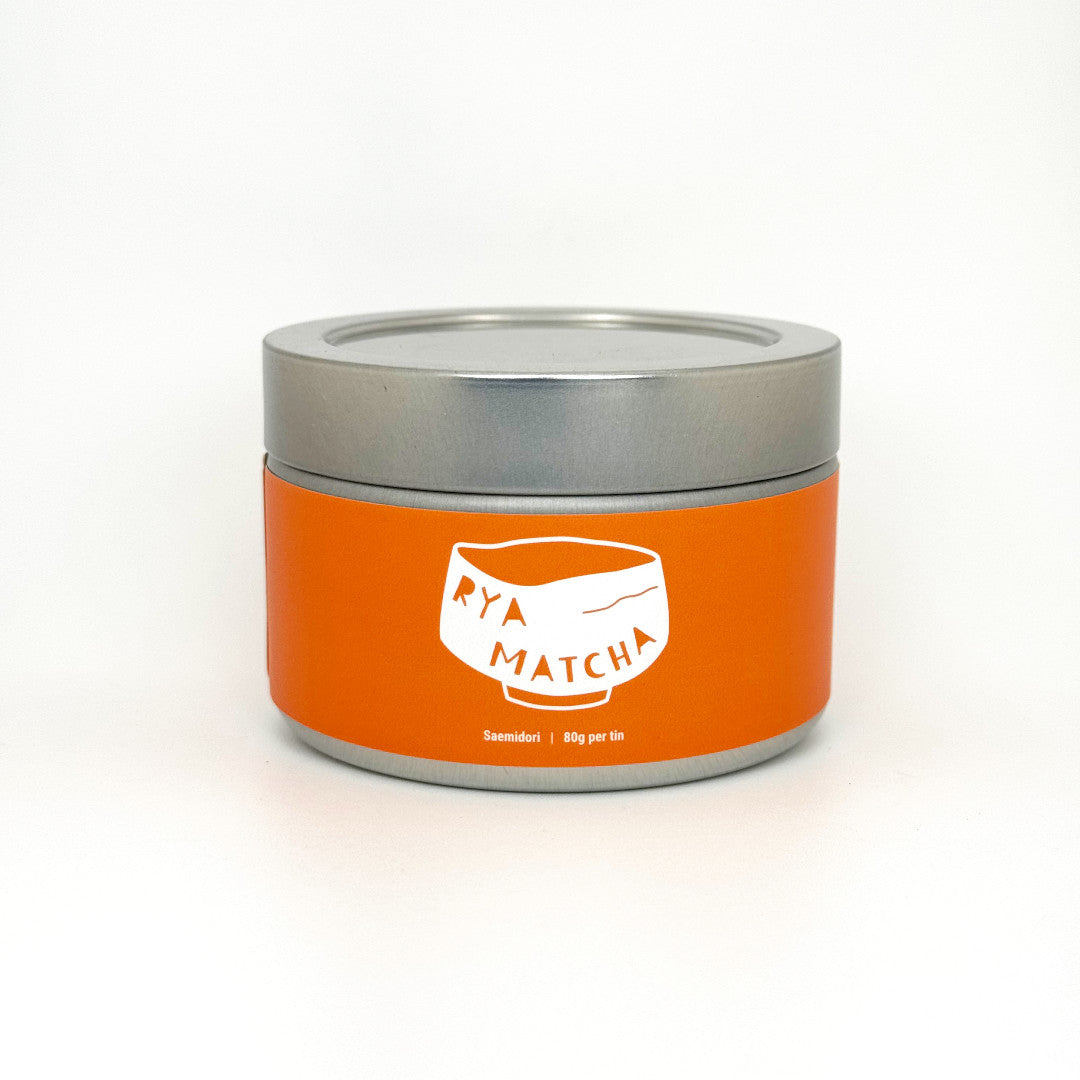
When choosing where to buy, look for trusted sources that provide lab-tested, certified organic matcha. Ujicha Matcha proudly offers curated Japanese organic matcha, sourced directly from renowned tea-growing regions and shipped fresh from California—ensuring quality and freshness in every tin.
FAQ: Organic Matcha
-
Is all matcha organic?
No, not all matcha is organic. Only matcha grown and processed according to certified organic standards—such as JAS or USDA Organic—can be labeled as such. -
Does organic matcha taste different?
Organic matcha often has a clean, fresh, and slightly vegetal flavor. Taste can also vary by region, cultivar, and harvest. -
Is organic matcha healthier?
Both organic and conventional matcha provide beneficial catechins and amino acids. Organic matcha offers added peace of mind regarding chemical residues. -
How do I know if my matcha is truly organic?
Look for official certifications (JAS, USDA Organic) and transparent sourcing from reputable brands specializing in Japanese matcha. -
Can I use organic matcha for both drinking and cooking?
Yes, organic matcha is suitable for both traditional tea preparation and culinary uses. Choose ceremonial grade for drinking and culinary grade for recipes.
Conclusion: Understanding the Value of Organic Matcha
Organic matcha represents a harmonious blend of tradition, quality, and mindful production. For those invested in purity, environmental stewardship, and authentic flavor, organic matcha is often worth the consideration. As you explore the world of Japanese organic matcha, choose sources that prioritize transparency, certification, and freshness. Ujicha Matcha is honored to guide your journey, offering premium organic matcha that reflects the best of Japanese tea culture—one cup at a time.