Premium Matcha: What Actually Separates It From the Rest
Share
Premium Matcha: What Actually Separates It From the Rest
Premium matcha stands apart in the world of Japanese green tea, offering a sensory experience that goes beyond color and taste. For discerning drinkers, understanding what makes matcha truly premium is key to appreciating its full value. From traditional cultivation to refined preparation, premium matcha embodies centuries of expertise and cultural heritage, making each bowl a mindful ritual and not just a beverage. This guide explores the core characteristics that distinguish premium matcha from everyday alternatives, empowering you to make informed, confident choices.
Understanding Premium Matcha: The Foundations
Premium matcha is defined by meticulous growing, harvesting, and production practices rooted in Japanese tradition. Tea plants destined for premium matcha are typically shade-grown for several weeks before harvest, which increases chlorophyll and L-theanine, contributing to vibrant color and a smooth, umami-rich flavor. Only the youngest, most tender leaves are handpicked, ensuring a naturally sweet and less bitter taste profile. These leaves are then stone-ground into a fine, velvety powder—known as premium matcha powder—that dissolves beautifully in water, resulting in a rich and creamy cup.
How to Identify Premium Matcha: Key Qualities
When evaluating premium matcha, look for these essential markers:
- Color: High-quality matcha should display a vibrant, almost electric green hue, indicating freshness and careful shade cultivation.
- Aroma: The scent should be fresh, grassy, and slightly sweet—never dull or hay-like.
- Texture: Premium matcha powder feels silky and fine, free of clumps or grit.
- Flavor: Expect a balanced combination of natural sweetness, gentle umami, and minimal bitterness. A lingering, creamy finish is a hallmark of matcha high quality.
These sensory attributes reflect not just the tea's origin, but also the expertise of the producers and the integrity of the supply chain.
Regions and Cultivation: The Heart of Premium Matcha
Japan is home to legendary matcha-producing regions such as Uji (Kyoto), Nishio (Aichi), and Yame (Fukuoka). Each region brings unique terroir and tradition to the final product. Uji, for example, has been revered for centuries for its climate, soil, and water quality, resulting in some of the world’s most sought-after premium matcha tea. Cultivation techniques—like precise shading, timely harvesting, and small-batch stone grinding—are carefully guarded and passed down through generations. This attention to detail preserves the natural complexity and freshness that defines premium matcha.
Grades and Uses: When Does Premium Matter Most?
Matcha is available in several grades, but premium matcha is typically reserved for traditional tea ceremony (usucha), high-end lattes, and mindful drinking experiences. Culinary-grade matcha, while useful for smoothies or baking, lacks the delicacy and refinement of premium matcha powder. Investing in premium matcha ensures you experience its vibrant color, creamy mouthfeel, and nuanced flavor—qualities that are lost in lower grades. For those who value daily rituals and authentic taste, choosing premium matcha tea makes a noticeable difference.
How to Prepare Premium Matcha for the Best Experience
Preparing premium matcha is as much about mindfulness as it is about technique. Begin by sifting 1–2 grams (about 1/2 to 1 teaspoon) of premium matcha powder into a pre-warmed bowl. Add a small amount of hot water (not boiling, around 175°F) and whisk briskly with a bamboo chasen until a frothy layer forms. The result is a smooth, vibrant green tea that is both invigorating and calming. This ritual highlights the care and quality invested in every step of premium matcha production.
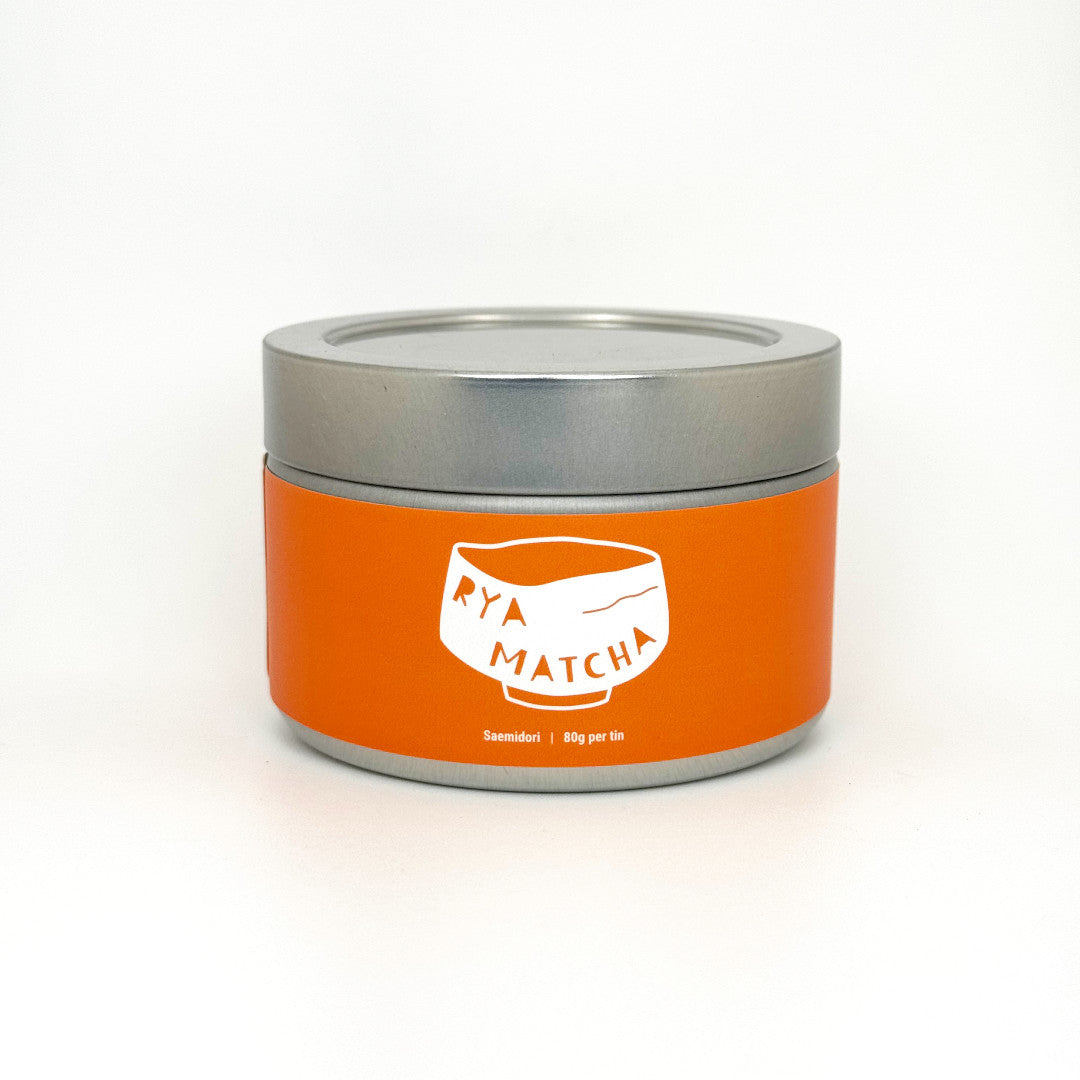
For those seeking authentic, matcha high quality options sourced directly from Japan and shipped fresh, Ujicha Matcha offers a curated selection of premium matcha to elevate your daily tea ritual.
FAQ: Premium Matcha
What is the difference between premium matcha and regular matcha?
Premium matcha is made from the youngest, shade-grown leaves and stone-ground for a fine texture, resulting in vibrant color, smooth flavor, and minimal bitterness. Regular matcha may use older leaves and less refined processing.
How can I tell if my matcha is truly premium?
Look for a vivid green color, fresh aroma, silky texture, and balanced, creamy flavor. These indicate careful cultivation and high quality.
Why is premium matcha more expensive?
Premium matcha requires intensive labor, traditional techniques, and select leaves, all of which contribute to its quality and higher price point.
Can I use premium matcha in recipes?
While premium matcha can be used in recipes, its delicate flavor is best enjoyed prepared traditionally or as a high-end latte.
Is premium matcha healthier than regular matcha?
Both offer health benefits, but premium matcha's higher L-theanine and chlorophyll content may provide a smoother energy boost and richer antioxidants.
Conclusion
Understanding what sets premium matcha apart empowers you to choose tea that honors tradition, quality, and flavor. From vibrant color to nuanced taste, premium matcha reflects a legacy of Japanese craftsmanship and mindful cultivation. For those seeking an authentic matcha experience—whether as a daily ritual or a moment of calm—selecting matcha high quality ensures every cup is a celebration of taste and culture. Explore the world of premium matcha with confidence and discover why it remains the standard for tea connoisseurs worldwide.