Which Tea Has the Strongest Umami Flavor?
Share
Which Tea Has the Strongest Umami Flavor?
Umami, often described as a savory or brothy taste, is a defining characteristic in many premium Japanese green teas. For those curious about the tea with strongest umami flavor, understanding the origins of umami, how it’s cultivated in tea, and which varieties stand out can enhance both your appreciation and your daily tea ritual. This guide explores the world of umami teas, with a focus on matcha and gyokuro, to help you discover the richest, most satisfying flavors Japanese green tea has to offer.
Understanding Umami in Japanese Tea
Umami is one of the five basic tastes, alongside sweet, salty, sour, and bitter. In the context of Japanese green tea, umami is linked to high levels of amino acids—especially L-theanine and glutamic acid—which develop during careful cultivation and processing. The result is a savory, rounded flavor profile that sets certain teas apart and makes them sought after by connoisseurs. Experiencing umami tea is not just about taste; it’s about savoring the full-bodied, lingering richness that defines the highest quality Japanese green teas.
Matcha: The Pinnacle of Umami Tea
Among Japanese teas, matcha is widely recognized for its exceptional umami qualities. Made from shade-grown tencha leaves that are stone-ground into a vibrant green powder, matcha offers a concentrated and layered umami experience. The shading process increases chlorophyll and amino acid content, particularly L-theanine, resulting in a naturally sweet, savory, and creamy flavor profile known as matcha umami. Properly prepared matcha envelops the palate in a smooth, umami-rich embrace, making it a favorite for mindful moments and traditional tea ceremonies alike.
Gyokuro vs Matcha: Comparing Umami Intensity
When it comes to the tea with strongest umami flavor, gyokuro is often mentioned alongside matcha. Both teas are shaded for several weeks before harvest, but their processing methods differ. Gyokuro leaves are rolled and dried, while matcha is ground into powder. Gyokuro delivers an intense, sweet-savory umami with vegetal notes and a silky mouthfeel. Matcha, on the other hand, amplifies umami through full-leaf consumption and preparation as a suspension rather than an infusion. For those seeking the most concentrated umami, ceremonial-grade matcha typically edges out gyokuro in both intensity and depth.
What Makes Japanese Green Tea Umami So Special?
The unique climate, soil, and traditional cultivation techniques in Japan contribute to the umami character found in top-tier teas. Shading before harvest slows photosynthesis, boosting amino acid retention and enhancing umami. Regions like Uji, renowned for matcha and gyokuro, have perfected these methods over centuries. For tea lovers seeking authentic Japanese green tea umami, choosing teas from established regions and reputable producers ensures a genuine, nuanced experience.
How to Enjoy and Appreciate Umami Tea
To fully experience umami tea, pay attention to water temperature, brewing time, and quality of tea leaves or powder. Use water around 60–70°C (140–158°F) for gyokuro and slightly hotter for matcha. Savor the aroma and mouthfeel, noting the lingering, savory-sweet aftertaste. The ritual of preparing and drinking matcha can be both meditative and invigorating, making it ideal for mindful daily rituals.
FAQ: Tea with Strongest Umami Flavor
-
What is umami in tea?
Umami is a savory taste created by amino acids present in tea leaves, especially L-theanine and glutamic acid. It provides a rich, rounded flavor distinct from bitterness or astringency. -
Which Japanese tea is highest in umami?
Matcha and gyokuro are the highest in umami among Japanese teas, thanks to their shade-grown cultivation and high amino acid content. -
Is matcha or gyokuro better for umami?
Both offer deep umami, but ceremonial-grade matcha typically has a more concentrated and lasting umami flavor due to full-leaf consumption. -
How can I enhance the umami in my tea?
Use high-quality, fresh tea from reputable sources, pay attention to water temperature, and avoid over-brewing to preserve delicate umami notes. -
Where can I buy authentic umami-rich matcha?
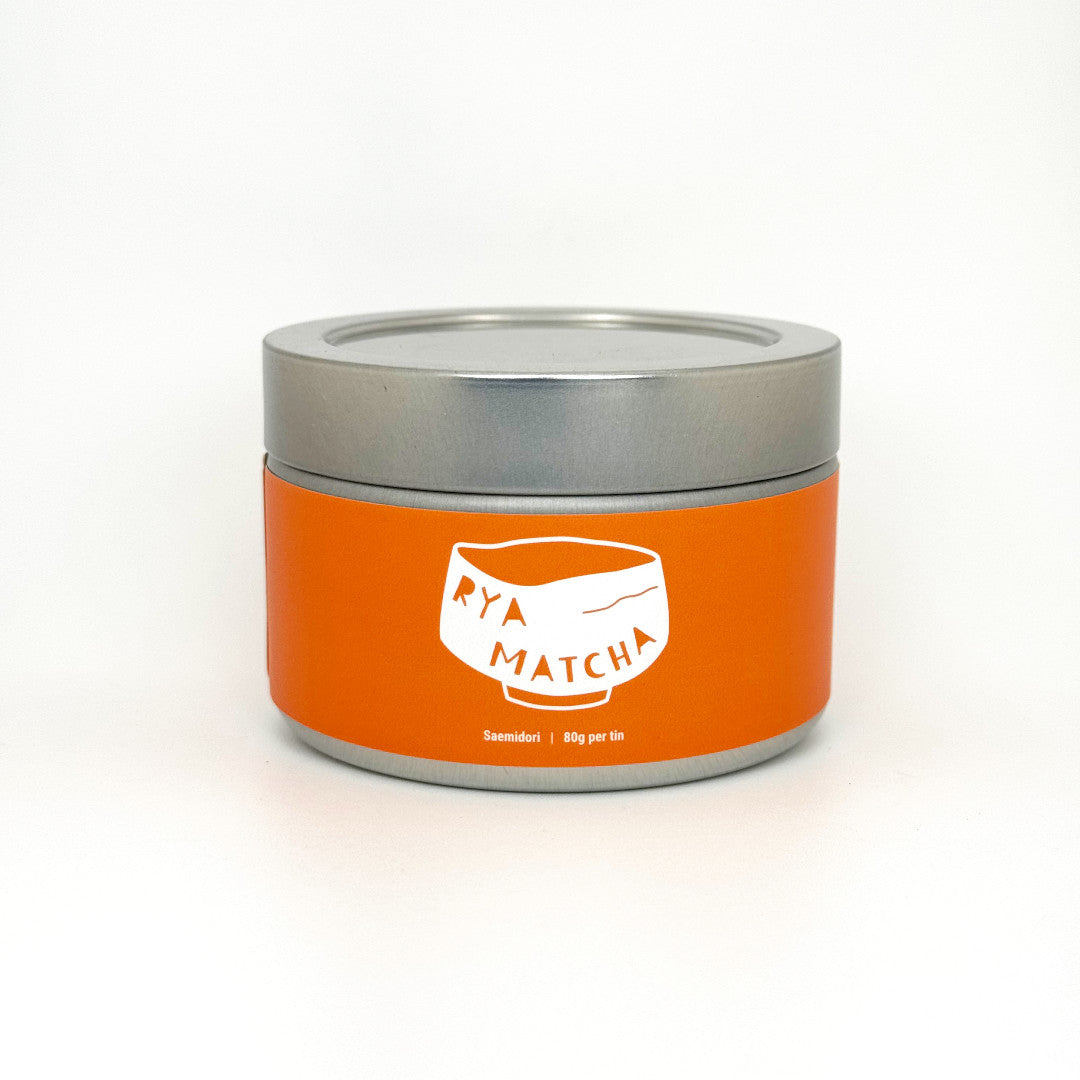
Ujicha Matcha offers premium matcha sourced directly from Japan, allowing you to experience authentic umami at its finest.
Conclusion: Discovering the Tea with Strongest Umami Flavor
For those seeking the tea with strongest umami flavor, ceremonial-grade matcha stands at the pinnacle, closely followed by gyokuro. The combination of careful shading, meticulous processing, and authentic sourcing results in teas with unparalleled depth and savory complexity. Exploring umami-rich teas like matcha not only enhances your palate but also invites a deeper appreciation of Japanese tea culture. For a trusted source of premium matcha, Ujicha Matcha provides authentic, high-quality selections shipped fresh from California.