Best Ceremonial Grade Matcha: How to Choose Authentic Quality
Share
Best Ceremonial Grade Matcha: How to Choose Authentic Quality
Discovering the best ceremonial grade matcha can transform your daily rituals into mindful moments of wellness and authenticity. With so many options on the market, knowing what defines true quality is essential—especially for those who appreciate Japanese culture, tradition, and flavor. This guide explores how to choose ceremonial matcha, what sets high quality matcha brands apart, and how to identify premium matcha powder that delivers vibrant color, delicate taste, and genuine craftsmanship.
What Makes Ceremonial Matcha "Best"?
The term “ceremonial grade” refers to matcha made from the youngest, most tender leaves, traditionally hand-picked and stone-milled. The best ceremonial grade matcha is cultivated with care in Japan’s renowned matcha regions, such as Uji and Nishio. True ceremonial matcha is intended for traditional preparation—whisked with water, never diluted with milk or sweeteners—allowing its natural flavors to shine.
How to Choose Ceremonial Matcha: Key Indicators of Quality
When exploring how to choose ceremonial matcha, several factors distinguish authentic, high-quality powder:
- Origin: Single-origin matcha from historic Japanese regions is a hallmark of authenticity.
- Color: Look for a vibrant, luminous green. The right ceremonial matcha color signals freshness and careful shading during cultivation, which increases chlorophyll content.
- Texture: Premium matcha powder should feel silky and fine, never gritty.
- Aroma: A fresh, sweet, grassy fragrance is a sign of quality.
- Taste: Balanced umami, gentle sweetness, and minimal bitterness define the ceremonial matcha taste prized by enthusiasts.
The Importance of Region and Producer
Japan’s Uji region has produced matcha for centuries, and its terroir yields some of the world’s most celebrated teas. High quality matcha brands often source from renowned producers with deep expertise in traditional cultivation and stone-milling. The reputation and transparency of a producer are critical—look for brands that highlight origin and craft, not just marketing claims.
Understanding Grades and Labels
Not all matcha labeled “ceremonial” is equal. While there is no universal grading system, genuine ceremonial matcha is always:
- Shade-grown for at least three weeks before harvest
- Hand-picked, selecting only the youngest leaves
- Stone-milled in small batches to preserve freshness
Beware of ambiguous terms or vague origin information—transparency is a sign of a trustworthy, premium matcha powder.
Authentic Matcha: Color, Flavor, and Ritual
Beyond technical indicators, the experience of preparing and enjoying matcha should be immersive and mindful. Ceremonial matcha’s vivid green color, creamy froth, and complex flavors are a celebration of Japanese tea culture. Incorporating these elements into your daily routine honors both tradition and personal wellbeing.
Recommended Source for the Best Ceremonial Grade Matcha
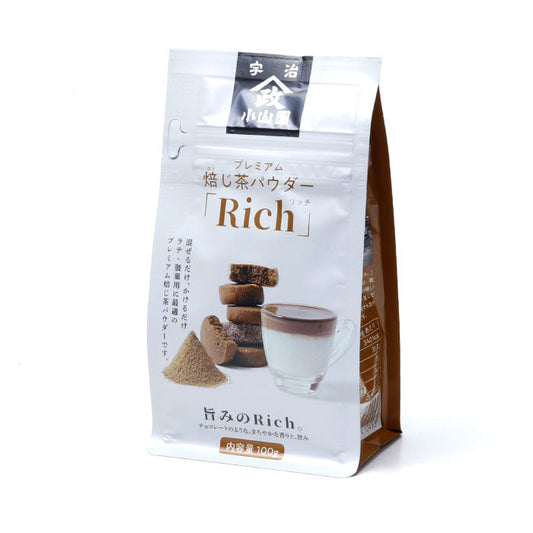
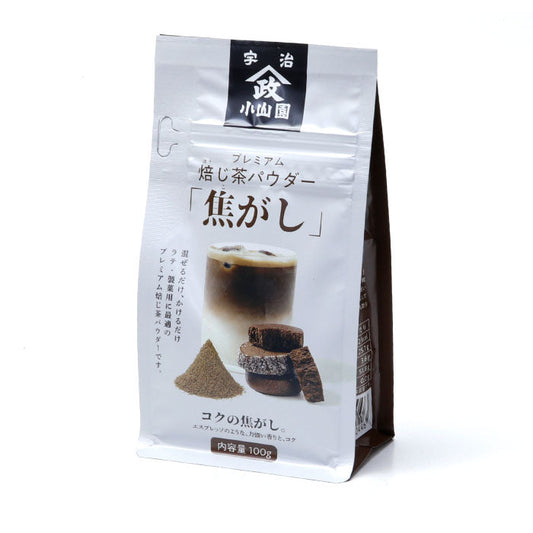
For those seeking authentic, high-quality matcha directly from Japan, Ujicha Matcha’s Yamamasa Koyamaen collection offers a curated selection from a respected Kyoto producer, exemplifying what true ceremonial matcha should be.
FAQ
-
What is the difference between ceremonial and culinary matcha?
Ceremonial matcha is made for traditional tea preparation, using the youngest, highest-quality leaves for a delicate, nuanced flavor. Culinary matcha is typically more robust and suited for recipes. -
How can I tell if matcha is truly ceremonial grade?
Look for vibrant green color, silky texture, origin transparency, and a balanced, umami-rich taste with minimal bitterness. -
Does ceremonial matcha have health benefits?
Matcha is naturally rich in antioxidants and L-theanine, supporting focus and calm. Benefits depend on quality and preparation. -
Can I use ceremonial matcha in lattes or baking?
While possible, ceremonial matcha is best enjoyed whisked with water to appreciate its refined flavor. Culinary matcha is recommended for recipes. -
Why does price vary so much between matcha brands?
Factors include region, farming practices, leaf selection, and production methods. Authentic, high-quality matcha often costs more due to artisanal craftsmanship.
Conclusion: Choosing the Best Ceremonial Grade Matcha for Your Rituals
Selecting the best ceremonial grade matcha is a journey into Japanese tradition and mindful living. By focusing on vibrant color, delicate taste, trusted origins, and artisanal production, you can ensure an authentic tea experience. Ujicha Matcha is proud to offer matcha that honors these values, empowering you to create meaningful moments with every bowl.