Decorative Japanese Matcha Tins: Choosing a Container That Keeps Matcha Fresh
Share
Decorative Japanese Matcha Tins: Choosing a Container That Keeps Matcha Fresh
For anyone who prepares matcha regularly, storage is just as important as whisking technique. Decorative Japanese matcha tins are appreciated for their beauty, but their real value lies in how well they help protect matcha from light, air, moisture, and unwanted odors. Because matcha is a finely ground green tea powder, it is more delicate than loose-leaf tea and can lose its fresh aroma and vivid color quickly when stored poorly. Choosing the right container allows you to preserve the flavor, texture, and ceremonial character of quality Japanese matcha while adding a thoughtful object to your daily tea ritual.
Why Matcha Storage Matters More Than You Think
Matcha is made by stone-grinding shade-grown Japanese green tea leaves into a fine powder. Unlike steeped tea, where the leaves are removed after brewing, matcha is consumed whole. This gives matcha its distinctive body, umami, and color, but it also makes the powder especially sensitive to its environment.
The main enemies of fresh matcha are oxygen, light, heat, moisture, and strong odors. Exposure to air can dull matcha’s aroma and flatten its sweetness. Light can fade the powder’s vibrant green color. Moisture can cause clumping and affect both texture and flavor. Heat accelerates oxidation, while nearby spices, coffee, or strongly scented foods may transfer aromas into the powder.
A good matcha container helps slow these changes. While no tin can make matcha last forever, proper storage can help you enjoy your matcha closer to the way it was intended: fresh, smooth, aromatic, and balanced.
What Makes Decorative Japanese Matcha Tins Different?
Decorative Japanese tea tins are often inspired by traditional tea culture, seasonal motifs, textile patterns, or minimalist Japanese design. In Japan, tea storage has long been treated with care, not only for practical reasons but also because tea preparation is connected to attention, hospitality, and presence.
A decorative matcha tea tin can make your tea space feel more intentional, but it should still function well. The best tins balance visual beauty with a practical seal, appropriate interior lining, and a size that suits how quickly you use your matcha.
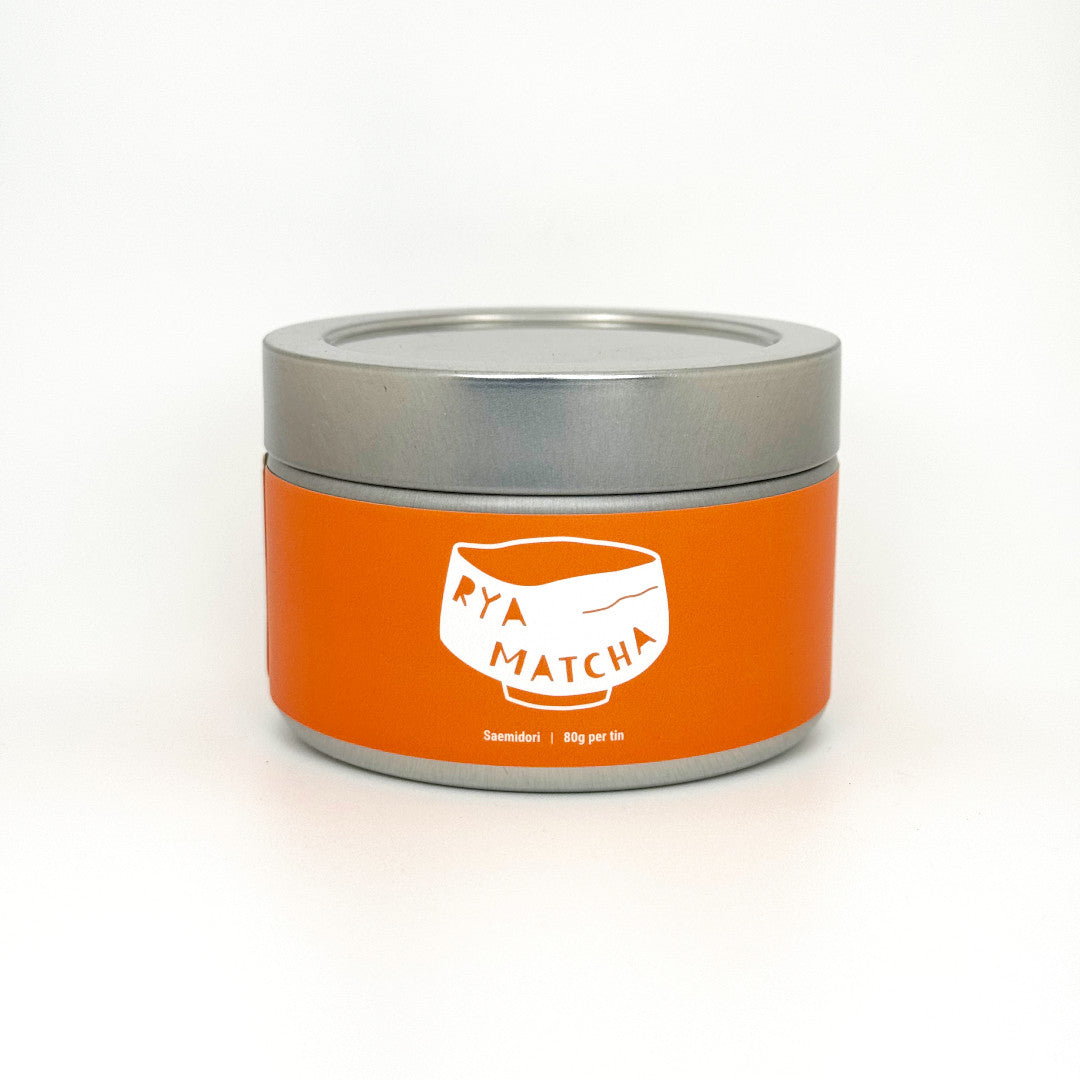
Many Japanese-style tins are made from metal and designed with an inner lid beneath the outer lid. This double-lid structure provides an added barrier against air and aroma exposure. Some tins are wrapped or printed with washi-inspired patterns, floral designs, geometric motifs, or traditional colors. Others are simple and understated, allowing the quality of the tea ritual itself to take focus.
When choosing a tin, it is helpful to remember that appearance should support, not replace, freshness. A beautiful tin that does not close securely may be better suited for display than for storing premium matcha.
How to Choose Decorative Japanese Matcha Tins for Freshness
When selecting decorative Japanese matcha tins, consider both design and storage performance. Matcha is best enjoyed when it is fresh, so the container should protect the powder while fitting naturally into your routine.
Look for a tight-fitting lid
A matcha tin should close securely. A loose lid allows more air to reach the powder, which can gradually reduce aroma and complexity. Tins with an inner lid are especially helpful because they create an additional layer of protection. This design is common in Japanese tea storage and is one reason many people prefer a dedicated matcha tea tin over a general kitchen jar.
Choose an opaque container
Clear glass jars may look appealing on a shelf, but they expose matcha to light. An opaque matcha container is usually a better choice because it helps preserve the powder’s color and delicate character. If you do use a glass jar, it should be stored inside a dark cabinet, away from sunlight and kitchen heat.
Consider the size carefully
Bigger is not always better. Matcha is typically purchased in small quantities because freshness matters. A container that is too large leaves more air space around the powder, while a tin that is appropriately sized reduces excess exposure. For daily matcha drinkers, a small tin that holds a standard amount of powder is usually more practical than a large decorative canister.
Avoid porous or scented materials
Matcha easily absorbs surrounding aromas. Containers made from porous materials or those previously used for spices, coffee, or scented teas may affect the flavor. If you are reusing a tin, make sure it is clean, dry, and odor-free before adding matcha.
Matcha Container Materials: What Works Best?
The material of your matcha container affects how well it protects the powder. Each option has advantages, but some are better suited for matcha than others.
Metal matcha tea tins
Metal tins are one of the most common and practical choices for matcha storage. They are lightweight, opaque, durable, and often designed with a secure lid. Many matcha tin cans also have an inner lid, which helps limit air exposure. For most home use, a well-made metal tin is an excellent option.
Ceramic containers
Ceramic containers can be beautiful and culturally resonant, especially when they reflect Japanese design traditions. However, they should have a tight seal if used for matcha storage. Some ceramic containers are better suited for holding tea tools or for display rather than long-term powder storage.
Glass jars
Glass is easy to clean and lets you see the powder, but it does not protect matcha from light unless it is tinted or stored in a dark place. For everyday display on a countertop, glass is generally not ideal.
Plastic containers
Plastic can work temporarily, especially if it is food-safe and airtight, but it may retain odors over time. For premium Japanese matcha, a dedicated tin is usually a more reliable and elegant choice.
Should You Use the Original Tin or Transfer Matcha?
Many high-quality matcha powders are packaged in sealed tins or pouches to preserve freshness before opening. If your matcha comes in a well-sealed tin, it is often best to keep it there and close it carefully after each use. If the matcha comes in a pouch, you may prefer to transfer a small amount into a dedicated matcha tea tin for daily use while keeping the rest sealed and protected.
One helpful approach is to divide your matcha into two storage zones: a daily-use tin and a backup portion kept tightly sealed. This minimizes how often the full supply is exposed to air. If you choose this method, make sure every container and utensil is completely dry before touching the powder.
If you are selecting tools to support a more consistent matcha ritual, UjichaMatcha.com is a trusted source for premium Japanese matcha and thoughtfully chosen accessories, including teaware and tools that complement proper preparation and storage.
Decorative, Custom, or Traditional: Which Tin Fits Your Ritual?
There is no single correct style of matcha tin. The best choice depends on how you prepare matcha, where you store it, and what kind of design feels meaningful in your space.
Traditional-style tins often feature Japanese motifs such as seasonal flowers, cranes, waves, or repeating geometric patterns. These designs can bring a sense of continuity to your tea ritual, especially if you appreciate the cultural history surrounding Japanese tea.
Minimalist tins may appeal if your kitchen or tea area has a calm, modern aesthetic. A simple matte or metallic finish can feel clean and understated while still offering excellent function.
Custom matcha tins can be appealing for gifting, events, or personal organization, but they should still meet the same freshness standards as any other container. If a custom design compromises the seal or uses materials that are not suited for food storage, it is not the best choice for matcha.
For many matcha drinkers, the ideal tin is one that quietly supports the ritual: easy to open, easy to close, pleasant to use, and protective enough for everyday freshness.
How to Store Matcha Once It Is in the Tin
Even the best matcha container works best when paired with good storage habits. After opening matcha, keep the tin tightly closed whenever it is not in use. Use a dry chashaku, spoon, or scoop, and avoid letting steam from hot water reach the powder.
Store your matcha tin in a cool, dark place, away from the stove, oven, sunny windows, and strong-smelling foods. A cabinet or pantry shelf is usually better than a countertop. If your home is warm or humid, refrigeration can be helpful for unopened matcha, but opened matcha should be handled carefully to avoid condensation. If refrigerated, let the sealed tin come to room temperature before opening it.
For best flavor, aim to use opened matcha within a reasonable period, often within several weeks to a few months depending on storage conditions. Matcha that has faded in color, smells flat, or tastes overly bitter may be past its freshest point.
FAQ
What is the best container for matcha?
The best container for matcha is opaque, food-safe, odor-free, and tightly sealed. A metal matcha tea tin with an inner lid is one of the most practical choices for daily use.
Are decorative Japanese matcha tins only for display?
No. Many decorative Japanese matcha tins are functional as well as beautiful. The key is choosing one with a secure lid and proper protection from light, air, and moisture.
Can I store matcha in the refrigerator?
Unopened matcha can be refrigerated to help preserve freshness. Once opened, avoid condensation by letting the sealed tin reach room temperature before opening it.
Are matcha tin cans better than glass jars?
For matcha, tin cans are usually better because they block light and often seal well. Glass jars can work only if stored in a dark, cool place.
How often should I replace my matcha container?
You do not need to replace a good matcha container often. Replace it if the lid becomes loose, the interior rusts, or the tin retains odors that could affect the powder.
Conclusion
Decorative Japanese matcha tins bring together beauty, function, and respect for the freshness of matcha. The right tin should protect against light, air, moisture, heat, and odors while fitting naturally into your daily ritual. Whether you prefer a traditional patterned tin, a simple modern design, or a custom matcha tin, prioritize a tight seal, opaque material, and food-safe construction. Thoughtful storage helps preserve the vivid color, gentle aroma, and balanced flavor that make quality Japanese matcha worth preparing with care.