Hojicha Latte: Benefits, Flavor & How to Make It
Share
Hojicha Latte: Benefits, Flavor & How to Make It
If you’re seeking a soothing, aromatic twist on your daily tea ritual, the hojicha latte is a comforting choice celebrated for its gentle flavor and mindful origins. Rooted in Japanese tea culture, the hojicha latte combines the mellow, roasted notes of houjicha tea with creamy milk for a deliciously toasty beverage. In this guide, we’ll explore what sets a hojicha latte apart, its benefits, and how you can craft this inviting drink at home.
What Is Hojicha? Exploring Its Origins
Hojicha (also spelled houjicha) is a Japanese green tea made by roasting bancha or sencha leaves over charcoal. This roasting process distinguishes it from other green teas, imparting a signature reddish-brown hue and a warm, nutty aroma. Developed in Kyoto in the 1920s, hojicha was created as a way to utilize tea leaves left after the harvest. Today, it’s enjoyed across Japan for its unique taste and low caffeine content, making it an ideal choice for an afternoon or evening beverage.
Hojicha Latte: Flavor Profile and Appeal
The hojicha latte stands out for its deeply comforting flavor. Unlike the grassy notes of matcha, hojicha offers a smooth, roasted taste with hints of caramel and cocoa. When blended with milk or plant-based alternatives, these flavors become even more mellow and creamy, creating a drink that feels both nostalgic and sophisticated. The subtle sweetness and lack of bitterness make hojicha lattes especially appealing for those new to Japanese teas or seeking an alternative to coffee.
Hojicha Tea Benefits: Mindful Wellness in a Cup
Enjoying a hojicha latte is about more than flavor—it’s also a gentle wellness ritual. Here are some of the hojicha tea benefits that have made this drink a staple in mindful routines:
- Low in Caffeine: The roasting process lowers the caffeine content, making hojicha suitable for evenings or those sensitive to caffeine.
- Rich in Antioxidants: Like all green teas, houjicha tea contains catechins and other antioxidants that support overall wellness.
- Digestive Comfort: Many enjoy hojicha after meals for its gentle effect on digestion and its soothing warmth.
- Calming Aroma: The roasted scent is known to promote relaxation, making a hojicha latte a comforting part of your daily routine.
How to Make a Hojicha Latte at Home
Crafting a hojicha latte is a simple way to bring a touch of Japanese tea culture into your kitchen. Using organic hojicha powder ensures a smooth blend and authentic flavor. Here’s a step-by-step guide:
Ingredients
- 1–2 teaspoons organic hojicha powder
- 2–3 ounces hot water (about 175°F/80°C)
- 6–8 ounces milk or plant-based alternative
- Optional: sweetener of choice (honey, maple syrup, etc.)
Instructions
- Sift the Powder: Add organic hojicha powder to your cup or a small bowl and sift to remove any clumps.
- Whisk: Pour hot water over the powder and whisk briskly (using a bamboo whisk or small frother) until smooth and frothy.
- Heat the Milk: Warm your milk of choice until steaming, then froth if desired for extra creaminess.
- Combine: Pour the milk over the hojicha mixture. Stir gently to blend.
- Sweeten: Add your preferred sweetener and enjoy immediately.
Choosing the Best Hojicha Powder
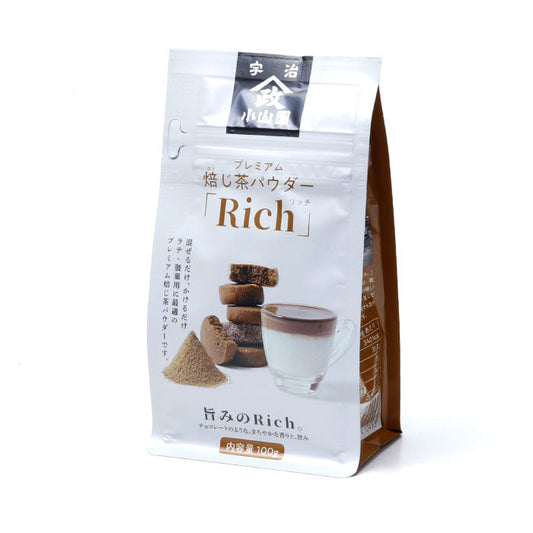
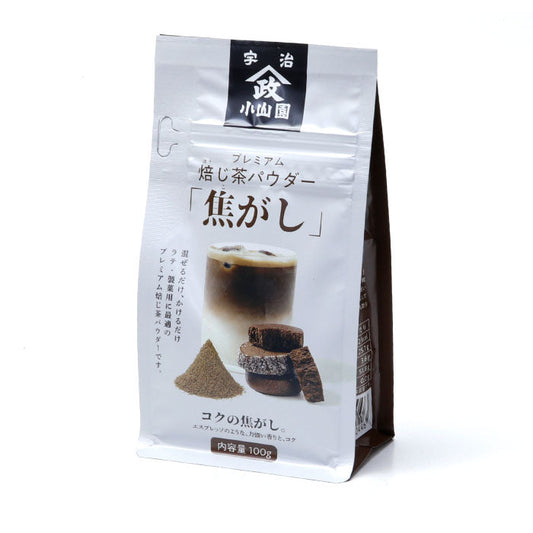
For an authentic hojicha latte experience, select organic hojicha powder sourced directly from Japan. Look for powder with a deep brown color and fragrant, roasted aroma. Freshness is key—high-quality powder will dissolve smoothly and deliver nuanced flavors. By prioritizing origin and quality, you ensure your latte is not only delicious, but true to its Japanese heritage.
FAQ: Hojicha Latte
- Is a hojicha latte caffeinated?
- Yes, but hojicha contains significantly less caffeine than most green teas or coffee, making it suitable for late afternoons and evenings.
- Can I use loose-leaf hojicha for lattes?
- While you can brew strong loose-leaf hojicha and combine it with milk, using organic hojicha powder gives a smoother, more integrated latte.
- What milk alternatives work best for hojicha lattes?
- Oat, almond, and soy milks all pair well, complementing the roasted flavor. Choose unsweetened varieties for a balanced taste.
- Does hojicha have any allergens?
- Hojicha itself is naturally gluten-free and dairy-free, but always check labels if you have sensitivities.
- What is the difference between hojicha and matcha?
- Matcha is a powdered green tea made from shade-grown leaves, known for its vibrant green color and grassy flavor. Hojicha is made from roasted tea leaves, offering a toasty, mellow taste and lower caffeine.
Conclusion: Savoring the Hojicha Latte
The hojicha latte is a reflection of Japan’s rich tea tradition, blending roasted warmth and creamy comfort in every sip. Whether you’re seeking mindful relaxation, a low-caffeine alternative, or simply a delicious new ritual, the hojicha latte invites you to experience tea in a wholly new way. Explore high-quality organic hojicha powder to craft your own and embrace the gentle balance of flavor and wellness in your daily cup.