How to Make Matcha Latte: A Complete Guide to Flavor, Ritual, and Craft
Share
How to Make Matcha Latte: A Complete Guide to Flavor, Ritual, and Craft
Learning how to make matcha latte at home is more than just following a recipe—it's an invitation into a centuries-old tradition, refined for the modern palate. For those who value authenticity, wellness, and mindful rituals, the matcha latte offers a delicious balance of vibrant flavor and gentle energy. This guide shares the essentials of crafting a truly exceptional matcha latte, exploring the origins, methods, and cultural context that make each cup special.
Understanding the Essence of Matcha
Matcha is finely ground green tea powder, traditionally produced in Japan from shade-grown tencha leaves. Its unique cultivation—shading the tea bushes for several weeks before harvest—increases chlorophyll, amino acids (notably L-theanine), and antioxidants. The result is a creamy, vibrant powder with a sweet, umami-rich flavor profile. High-quality matcha is bright green and smooth, making it ideal for ceremonial use or modern drinks like lattes.
Why Make a Matcha Latte at Home?
Preparing a matcha latte at home allows you to control the ingredients, matcha quality, and sweetness level. It also turns a daily beverage into a mindful ritual—one that connects you with Japanese tea culture while encouraging personal wellness. Many home enthusiasts enjoy re-creating café favorites, such as the Starbucks matcha copycat, but with fresher, more authentic flavors and fewer additives.
Essential Tools and Ingredients
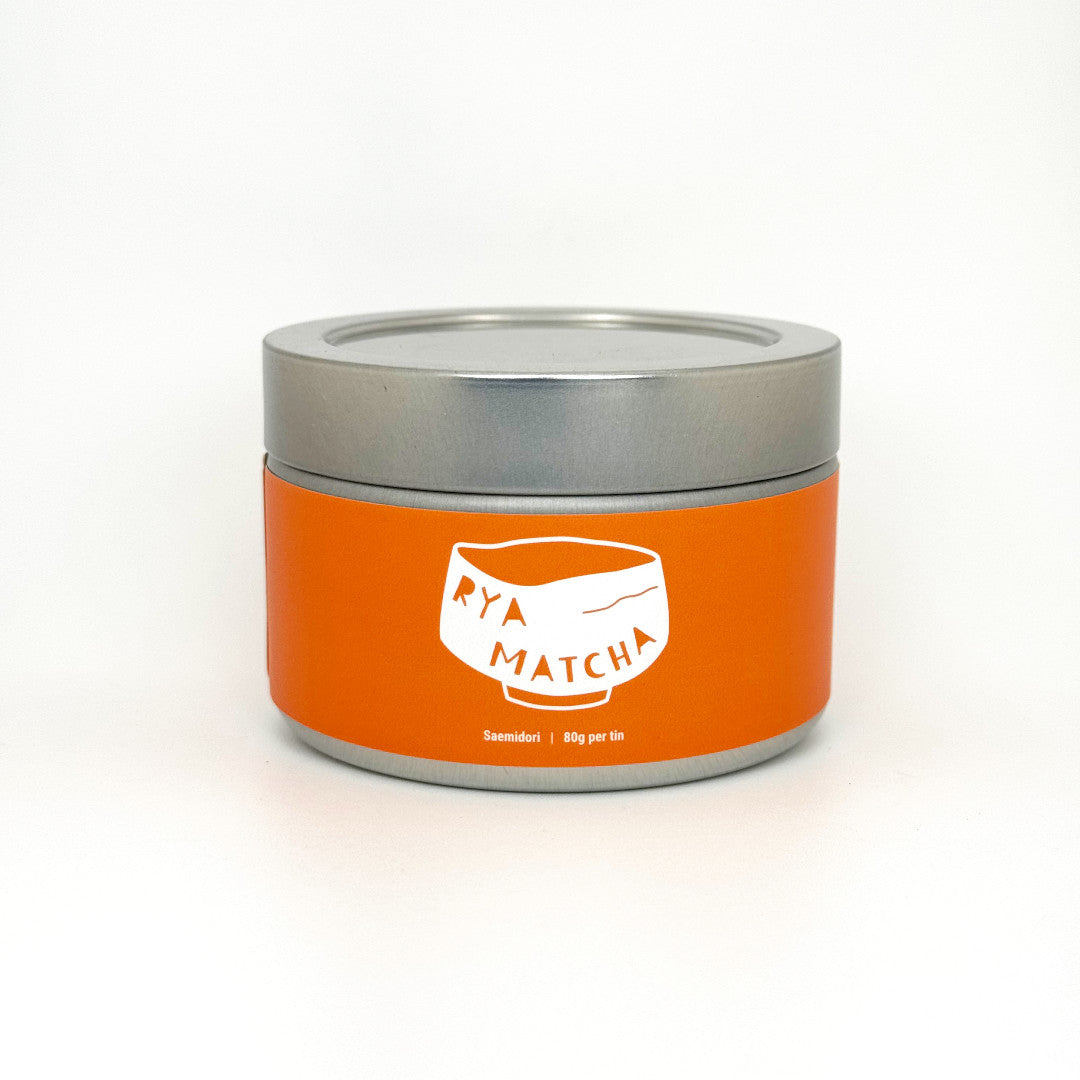
- Premium matcha powder: Ceremonial or latte-grade matcha for best results. Explore authentic Japanese matcha here.
- Water: Filtered, heated to about 175°F (80°C).
- Milk or milk alternative: Oat, almond, or dairy milk all pair well; choose unsweetened for pure flavor.
- Whisk: Traditional bamboo chasen or an electric frother.
- Bowl or mug and a small sifter for lump-free matcha.
- Optional: Sweetener of choice (honey, maple syrup, or simple syrup).
Step-by-Step: How to Make Matcha Latte
- Sift the Matcha: Place 1–2 teaspoons of matcha powder into a bowl. Sift to remove clumps for a smoother sip.
- Add Water: Pour 2 ounces of hot (not boiling) water over the matcha. Temperature matters—too hot, and you risk bitterness.
- Whisk: Using a bamboo whisk, vigorously whisk in a “W” motion until frothy and fully dissolved. An electric frother works well if you don’t have a chasen.
- Heat and Froth Milk: Warm 6–8 ounces of your preferred milk, then froth until creamy and airy.
- Combine and Sweeten: Pour the frothed milk into your matcha mixture. Taste and add sweetener as desired.
How to Make Iced Matcha Latte
For a refreshing iced matcha latte recipe—perfect for warmer days—follow the same steps, but use cold milk and plenty of ice. Whisk the matcha with cold water, pour over ice, add milk, and stir. The result is a vibrant, cooling drink that highlights matcha’s natural sweetness.
Tips for an Authentic and Flavorful Matcha Latte
- Choose Fresh, Authentic Matcha: Look for bright green color and a delicate aroma—a sign of high quality.
- Mind Your Technique: Sifting and whisking prevent lumps and ensure smooth texture.
- Adjust to Taste: Experiment with milk types and sweeteners. Oat milk offers natural creaminess, while almond milk keeps things lighter.
- Embrace Ritual: Take a moment to appreciate the aroma and color before sipping, connecting mindfully with the process.
Matcha Latte FAQ
What type of matcha is best for lattes?
Latte-grade or ceremonial-grade matcha is ideal. It’s vibrant, smooth, and blends well with milk, delivering a balanced, non-bitter flavor.
How is a matcha latte different from traditional matcha?
Traditional matcha is prepared with water only, highlighting the tea’s pure flavor. A matcha latte incorporates milk for a creamier, mellower experience.
Can I make a Starbucks matcha copycat at home?
Yes. Use high-quality matcha, your favorite milk, and a touch of sweetener to replicate the flavor, but enjoy fresher, more authentic results.
Is matcha latte healthy?
Matcha is naturally rich in antioxidants and L-theanine. With mindful use of milk and sweetener, a homemade matcha latte can be a wellness-friendly choice.
Can I use sweetened matcha powder?
For the best flavor and control over sweetness, use pure matcha powder and add sweetener to taste as needed.
Conclusion: Crafting Your Daily Ritual
Mastering how to make matcha latte at home brings together the purity of Japanese tea tradition and the comfort of modern café culture. By choosing authentic, high-quality matcha and embracing intentional preparation, you create a beverage that’s both nourishing and meaningful. Whether hot or iced, each matcha latte becomes a reflection of your taste and values—a mindful ritual you can savor every day.