How to Store Matcha: Expert Tips for Freshness and Flavor
Share
How to Store Matcha: Expert Tips for Freshness and Flavor
Matcha is celebrated for its vibrant color, nuanced flavor, and remarkable freshness—qualities best preserved with proper care. Understanding how to store matcha is essential for anyone who values authenticity and mindful rituals. This guide demystifies matcha storage, offers practical tips to keep matcha fresh, and explains the factors that affect matcha shelf life, so every cup remains a moment of wellness and delight.
Why Proper Matcha Storage Matters
Unlike most teas, matcha is a finely ground, delicate powder made from shade-grown Japanese tea leaves. Its unique production process concentrates both flavor and nutrients, but it also makes matcha sensitive to light, air, moisture, and heat. Improper storage can cause matcha to lose its vivid green color, aroma, and taste—and even impact its wellness benefits. By learning how to store matcha thoughtfully, you ensure each preparation honors the tea’s tradition and quality.
Key Factors Affecting Matcha Freshness
- Light: Exposure to light quickly degrades matcha’s color and antioxidants. Always store matcha in airtight, opaque containers.
- Air: Oxygen causes oxidation, leading to flavor loss and a dull hue. Minimize air exposure by resealing containers tightly after each use.
- Moisture: Matcha absorbs humidity, which leads to clumping and spoilage. Store in a dry environment and avoid using damp utensils.
- Heat: High temperatures accelerate deterioration. Keep matcha away from stoves and direct sunlight.
Best Practices: How to Store Matcha at Home
To keep matcha fresh and flavorful, follow these guidelines:
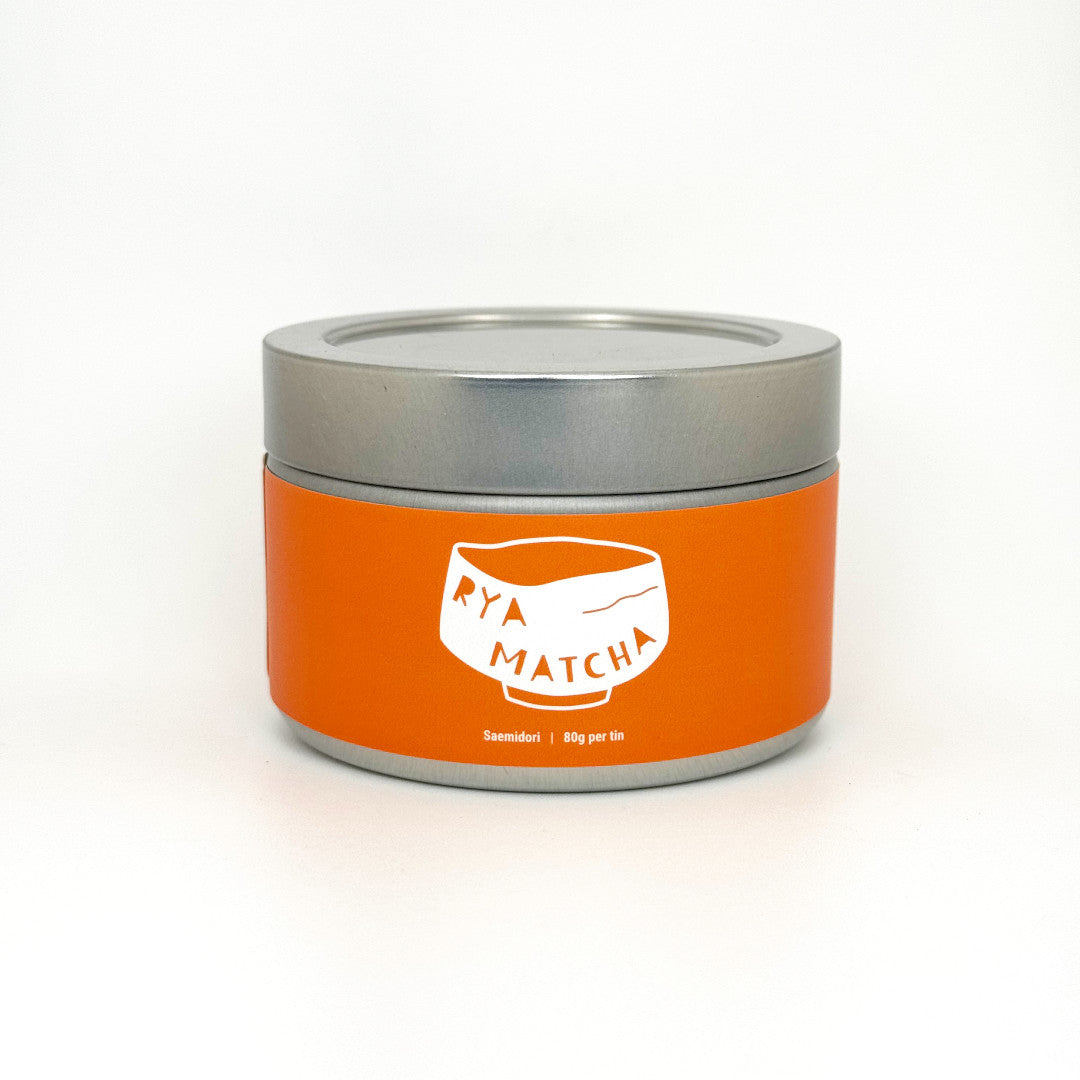
- Use an airtight container: Resealable tins or jars are ideal. Many premium matcha brands, including Ujicha Matcha, package their tea in protective containers designed for freshness.
- Keep it cool: Store unopened matcha in the refrigerator to extend its shelf life. Once opened, you can continue refrigerating or keep it in a cool, dark cupboard. If refrigerated, allow the container to reach room temperature before opening to prevent condensation.
- Avoid strong odors: Matcha can absorb nearby scents, so store it away from spices and other aromatic foods.
- Use clean utensils: Always use dry, clean spoons or matcha scoops to prevent introducing moisture.
For those who enjoy preparing matcha as part of a mindful ritual, investing in quality teaware—like airtight canisters or traditional natsume (tea caddies)—can help protect your matcha’s integrity. You can explore a selection of premium storage tools in Ujicha Matcha’s teaware collection.
Understanding Matcha Shelf Life
Freshness is central to the matcha experience. Most ceremonial-grade matcha is best enjoyed within 6 to 12 months of grinding. Once opened, try to use your matcha within 1 to 2 months for optimal flavor and color. Always check the packaging for a “best by” date, and note that while older matcha isn’t harmful, it may lose the vibrancy that defines high-quality Japanese tea.
Does Matcha Go Bad?
While matcha rarely “spoils” in the way perishable foods do, it can go stale, lose color, or absorb off-flavors if not stored properly. Signs that matcha is past its prime include a yellowish-brown hue, lack of aroma, or a flat, bitter taste. If you notice these changes, it’s time to refresh your supply and revisit your storage methods.
FAQ: Matcha Storage
-
How long does matcha last once opened?
For best results, use opened matcha within 1–2 months. Always reseal tightly and store away from light, heat, and moisture. -
Should I keep matcha in the refrigerator?
Refrigeration helps preserve unopened matcha, especially for long-term storage. Allow containers to reach room temperature before opening to avoid condensation. -
Can I freeze matcha for longer shelf life?
Freezing is not recommended, as repeated temperature changes may introduce moisture and affect quality. -
What is the best container for storing matcha?
An airtight, opaque container—such as a tea tin or glass jar with a tight seal—is ideal. Traditional Japanese natsume are also excellent for daily use. -
Does matcha go bad if exposed to air?
Prolonged exposure to air can cause matcha to lose flavor and color. Always reseal containers promptly after each use.
Conclusion: How to Store Matcha for Everyday Excellence
Embracing authentic Japanese tea culture begins with mindful care for your matcha. By understanding how to store matcha—protecting it from light, air, moisture, and heat—you ensure each bowl or latte delivers the genuine flavor, color, and wellness benefits you seek. For those looking to enhance their ritual, investing in purpose-built teaware can make storage simple and elegant. Honor your matcha, and it will continue to enrich your daily moments with freshness and tradition.