Is Matcha Better for You Than Regular Tea? Matcha vs Green & Black Tea
Share
Is Matcha Better for You Than Regular Tea?
Is matcha better for you than regular tea? This question has become increasingly common as matcha’s popularity rises among health-conscious tea lovers. With its vibrant green color and storied Japanese heritage, matcha naturally draws comparisons to other teas—especially green and black varieties. In this guide, we’ll explore matcha’s nutritional profile, health benefits, and how it stacks up against green and black teas, empowering you to make informed choices for your daily rituals.
Understanding Matcha: Origins and Unique Qualities
Matcha is a finely ground powder made from specially grown and processed Japanese green tea leaves. Unlike regular tea, where leaves are steeped and discarded, matcha involves consuming the entire leaf, maximizing nutrient intake. The cultivation of matcha involves shading tea plants for several weeks before harvest, increasing chlorophyll and amino acid content. This process, rooted in centuries-old Japanese tradition, gives matcha its vivid color, creamy umami flavor, and distinctive nutritional profile.
Matcha vs Green Tea: Nutritional Differences
When considering matcha vs green tea, the key distinction lies in how matcha is consumed. While both start from the same plant (Camellia sinensis), drinking matcha means ingesting the whole leaf, whereas green tea is typically an infusion. This results in higher concentrations of antioxidants—particularly catechins like EGCG—in matcha. You also receive more fiber, vitamins (such as vitamin C), and minerals per serving. For those seeking a potent source of antioxidants and sustained energy, matcha offers a unique advantage in the green tea comparison.
Matcha vs Black Tea: Caffeine and Benefits
Comparing matcha vs black tea highlights differences in processing, flavor, and caffeine content. Black tea leaves are fully oxidized, producing a darker color and bolder taste. Matcha, on the other hand, is unoxidized and retains more of its natural green pigments and nutrients. Caffeine levels in matcha generally exceed those in green and black teas, but matcha’s L-theanine content helps moderate energy release, supporting calm alertness rather than jitters. If you’re sensitive to caffeine or seeking a gentler uplift, matcha’s unique composition may suit your needs.
Examining Matcha Health Benefits
Matcha health benefits are supported by both tradition and scientific research. The abundance of antioxidants in matcha may help combat oxidative stress, while its amino acids support focus and relaxation. Consuming the whole leaf also means greater access to dietary fiber and chlorophyll. While green and black teas also provide healthful compounds, matcha’s preparation method delivers a denser concentration of these nutrients, making it a valued choice in wellness routines.
Choosing Quality Matcha for Maximum Benefits
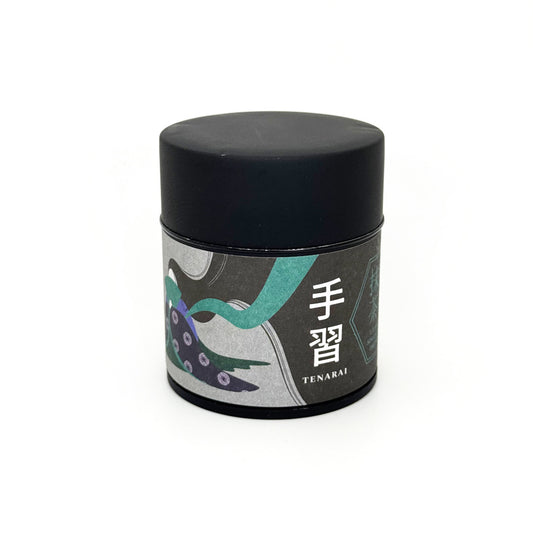
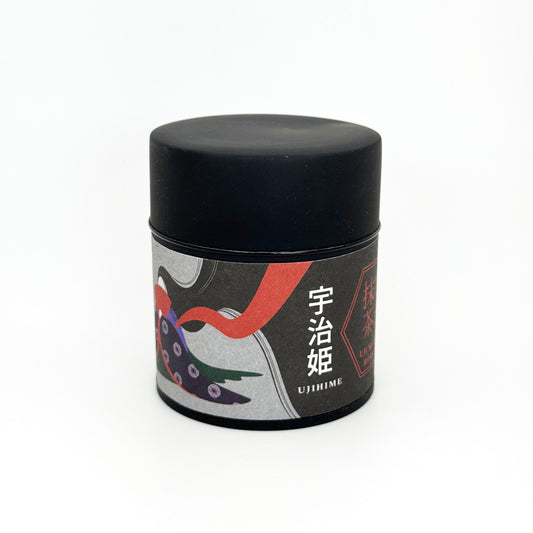
To fully appreciate matcha’s advantages, sourcing matters. Look for ceremonial-grade matcha, vibrant green in color, with a fresh, delicate aroma. Authentic Japanese matcha, stone-ground and shipped fresh, ensures you experience the fullest flavor and nutritional value. For those interested in exploring premium options, Ujicha Matcha offers a curated selection of authentic Japanese matcha, sourced directly from renowned regions and shipped fresh from California. Discover our matcha collection here and elevate your tea ritual with confidence.
FAQ: Is Matcha Better for You Than Regular Tea?
-
Is matcha healthier than green tea?
Matcha offers higher concentrations of antioxidants and nutrients since you consume the whole leaf, but both matcha and green tea provide healthful benefits. -
How does matcha compare to black tea?
Matcha contains more antioxidants and L-theanine than black tea, with a unique energy profile due to its higher caffeine and amino acid content. -
Does matcha have more caffeine than regular tea?
Yes, matcha generally contains more caffeine per serving, but the presence of L-theanine helps promote sustained, calm energy. -
Can I substitute matcha for my daily green or black tea?
Absolutely—many enjoy incorporating matcha for its concentrated nutrients and distinctive flavor, though variety across teas can also be beneficial. -
What should I look for in high-quality matcha?
Seek vibrant green color, fine texture, and authentic Japanese origin for the best taste and nutritional experience.
Conclusion: Is Matcha Better for You Than Regular Tea?
So, is matcha better for you than regular tea? For those seeking maximum antioxidants, unique flavor, and a mindful ritual rooted in Japanese tradition, matcha stands apart. Its nutrient density, calming energy, and cultural significance make it a valued addition to wellness routines. While green and black teas offer their own benefits, choosing high-quality matcha—such as that from Ujicha Matcha—ensures you enjoy both authenticity and superior nutrition in every cup.