Is Matcha Coffee? Why the Energy Feels Similar
Share
Is Matcha Coffee? Why the Energy Feels Similar
For many, mornings begin with a warm cup of something energizing. As interest in mindful rituals grows, the question often arises: is matcha coffee? While both offer a gentle lift, their origins, preparation, and effects on body and mind differ in fascinating ways. Understanding what sets matcha apart can help you craft a daily routine that supports your productivity, well-being, and appreciation for authentic Japanese traditions.
Is Matcha Coffee? Key Differences Explained
At their core, matcha and coffee are distinct drinks. Coffee is brewed from roasted coffee beans, while matcha is made from finely ground, shade-grown Japanese green tea leaves. The question "is matcha coffee" often arises because both provide energy and focus, but matcha’s effects are rooted in a unique combination of caffeine and L-theanine, an amino acid that promotes calm alertness. This synergy leads many to explore matcha as a coffee alternative for a smoother, less jittery energy boost.
Morning Matcha vs Coffee: The Rituals and Effects
Choosing between morning matcha vs coffee often comes down to personal preference and lifestyle. Coffee delivers a rapid spike in caffeine, which can lead to an abrupt energy crash or jitteriness for some. In contrast, matcha offers a gradual, sustained release of energy—thanks to its unique composition. Preparing matcha is also a meditative ritual, inviting you to slow down and appreciate the vibrant color, aroma, and flavor. Many find this mindful approach a welcome addition to their matcha daily routine.
How Matcha Supports Productivity and Focus
The appeal of matcha for productivity lies in its balanced stimulation. Matcha contains roughly half the caffeine of a standard cup of coffee, but the presence of L-theanine helps smooth out the experience. This combination supports alertness, concentration, and a feeling of calm focus—making it an attractive coffee replacement matcha for those sensitive to caffeine spikes. Many students, professionals, and creatives incorporate matcha into their routines for this very reason.
Flavor, Culture, and Choosing Authentic Matcha
Flavor is another key distinction. Coffee offers bold, roasted notes, while matcha’s taste is fresh, grassy, and subtly sweet—a reflection of careful cultivation and traditional stone-milling. Japanese matcha comes from centuries-old tea-growing regions, with quality influenced by terroir, shading, and harvest timing. When exploring matcha as a coffee alternative, authenticity matters. Sourcing from reputable producers ensures you experience the true character and benefits of matcha.
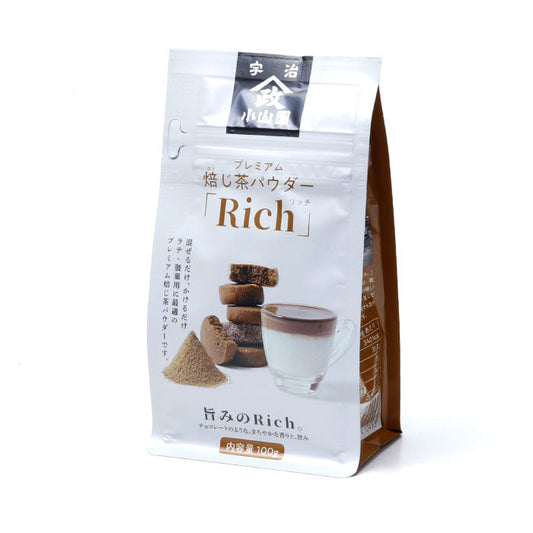
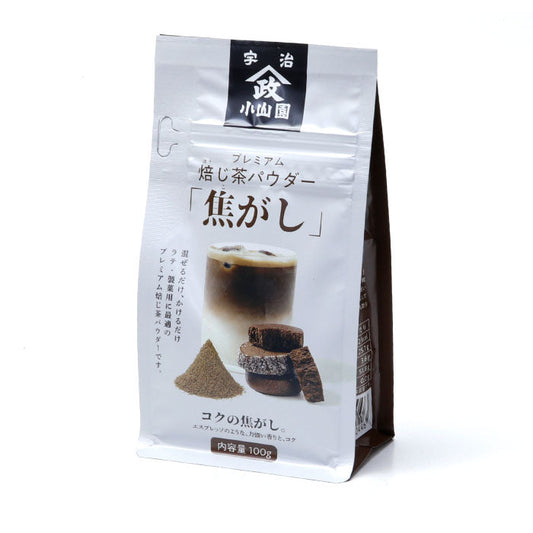
For those seeking premium, authentic Japanese matcha, the Yamamasa Koyamaen collection at Ujicha Matcha offers exceptional options, sourced directly from Japan and shipped fresh from California.
Integrating Matcha into Your Daily Routine
Adopting a matcha daily routine can be as simple or ceremonial as you wish. Some enjoy traditional preparation with a bamboo whisk, while others opt for quick lattes or smoothies. The versatility of matcha makes it easy to tailor to your tastes and lifestyle—whether you’re seeking a mindful morning ritual or a midday productivity boost. With its unique balance of energy and calm, matcha continues to win fans as a thoughtful, authentic alternative to coffee.
FAQ: Is Matcha Coffee?
-
Is matcha stronger than coffee?
Matcha contains less caffeine per serving than coffee, but it provides a smoother, more sustained energy due to L-theanine. -
Can I drink matcha every day?
Yes, many people enjoy matcha daily as part of their routine, appreciating its balanced energy and antioxidant content. -
How does matcha taste compared to coffee?
Matcha is fresh, grassy, and slightly sweet, while coffee is bold and roasted. Both offer unique flavor profiles and rituals. -
Is matcha good for productivity?
Many find matcha supports focus and productivity, offering calm alertness without the jitters often associated with coffee. -
Why choose matcha as a coffee replacement?
Matcha offers gentle, sustained energy and a mindful preparation process, making it a popular alternative for those seeking balance.
Conclusion: Is Matcha Coffee? Embracing the Differences
So, is matcha coffee? While both drinks fuel our days, matcha stands apart in origin, preparation, and effect. Its unique blend of caffeine and L-theanine offers a steady, focused energy that supports modern routines and mindful living. For those exploring matcha as a coffee alternative, authenticity and quality matter—making Ujicha Matcha a trusted source for premium Japanese matcha. Embrace the tradition, savor the difference, and discover how matcha can enrich your daily ritual.