Matcha Meaning: Exploring the History of Stone-Ground Tea
Share
Matcha Meaning: Exploring the History of Stone-Ground Tea
Matcha has become a staple in wellness rituals and café menus worldwide, but the matcha meaning goes far beyond its vibrant color and frothy appearance. Understanding what "matcha" truly signifies requires delving into centuries of tea culture, tracing its origins from ancient China to the heart of Japanese tradition. This article unpacks the etymology, history, and spiritual significance of matcha, providing a clear, respectful view of this cherished stone-ground tea.
The Etymology of Matcha: What Does the Word Mean?
To grasp the full matcha meaning, it's essential to start with the word itself. "Matcha" (抹茶) comes from two Japanese characters: matsu (抹), meaning "to rub" or "to grind," and cha (茶), meaning "tea." Together, they translate to "ground tea." This matcha etymology reflects the distinct method of preparing matcha: shading, harvesting, steaming, drying, and finally stone-grinding tender tea leaves into a fine, emerald powder. This process preserves the leaf's nutrients, flavor, and vivid green hue—qualities that set matcha apart from all other teas.
The Origins of Matcha: Roots in Ancient China
The origins of matcha in China date back to the Tang Dynasty (7th–10th centuries), when powdered tea was first consumed by whisking ground tea leaves with hot water. These early practices traveled to Japan through Buddhist monks, who valued powdered tea for its meditative qualities and alert calmness. Over time, Japan refined and elevated the technique, making matcha a central part of its cultural identity.
Matcha and Zen Buddhism: A Spiritual Connection
The arrival of Zen Buddhism in Japan during the 12th century played a pivotal role in shaping matcha meaning. Monks such as Eisai introduced powdered tea as a tool for supporting meditation, appreciating its ability to promote a focused yet relaxed state of mind. Thus, Zen Buddhism matcha rituals became deeply intertwined. Preparing and drinking matcha evolved into a mindful practice, emphasizing presence, respect, and harmony.
Japanese Tea Ceremony History: The Art of Matcha
The Japanese tea ceremony, or chanoyu, is perhaps the most enduring symbol of traditional matcha use. Rooted in principles of simplicity, tranquility, and mutual respect, the ceremony highlights every aspect of matcha preparation—from sifting and whisking to serving and savoring. Japanese tea ceremony history reveals how matcha became more than a beverage; it became a way to connect with oneself, others, and the present moment. Each gesture and utensil carries meaning, reinforcing the tea's spiritual and cultural importance.
Traditional Matcha Use: From Ritual to Modern Rituals
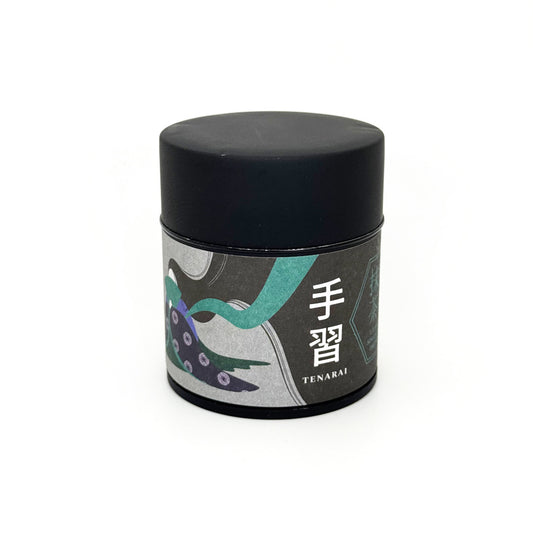
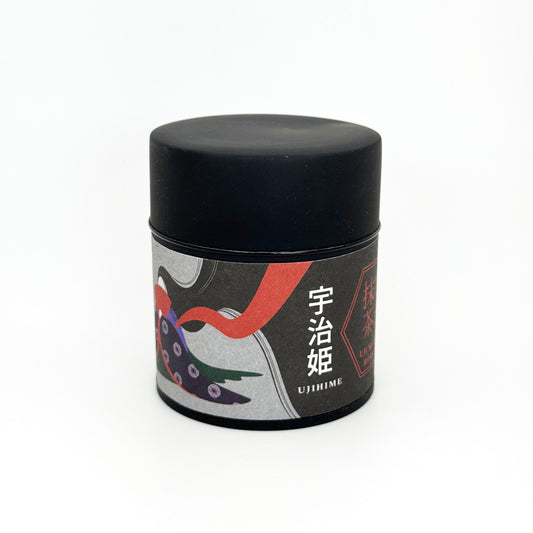
Historically, matcha was reserved for nobility, monks, and samurai, signifying refinement and mindfulness. Today, its appeal has broadened, attracting those seeking authenticity, wellness, and a daily ritual that honors tradition. Whether enjoyed in a formal setting or whisked at home, the matcha meaning carries the legacy of centuries-old customs into modern life. If you’re interested in experiencing authentic matcha directly sourced from Japan, Ujicha Matcha offers a selection of premium, stone-ground matcha that honors these traditions.
FAQ: Understanding the Meaning and History of Matcha
-
What does the word "matcha" mean?
"Matcha" means "ground tea" in Japanese, referring to the process of stone-grinding tea leaves into a fine powder. -
How did matcha originate?
Matcha originated in China with powdered tea practices, which were later refined and deeply embraced in Japan, especially through Zen Buddhist traditions. -
What role does matcha play in Japanese tea ceremonies?
Matcha is the focal point of the Japanese tea ceremony, symbolizing mindfulness, respect, and harmony. The ceremony ritualizes every aspect of its preparation and enjoyment. -
Is there a spiritual aspect to drinking matcha?
Yes, matcha has a rich spiritual connection, particularly within Zen Buddhism, where it supports meditation and mindful living. -
How is traditional matcha different from other green teas?
Traditional matcha is shade-grown, hand-harvested, and stone-ground, resulting in a more vibrant, nutrient-rich, and flavorful tea compared to standard green teas.
Conclusion: The Enduring Matcha Meaning
The matcha meaning extends well beyond its name or preparation method. It encompasses a living tradition rooted in art, mindfulness, and respect. From its origins in ancient China to its central role in Japanese tea ceremony history and Zen Buddhism, matcha continues to inspire rituals of presence and connection. Choosing authentic, stone-ground matcha is a way to honor these enduring values and bring centuries of culture into your daily routine.