Matcha Mistakes Beginners Make: How to Make Better Matcha
Share
Matcha Mistakes Beginners Make: How to Make Better Matcha
Enjoying matcha is a rewarding daily ritual, but even the most well-intentioned beginners can fall into a few matcha mistakes that affect flavor, texture, and the overall experience. Understanding these common matcha errors is the first step toward crafting a smoother, tastier bowl of matcha every time. Drawing from Japanese tea tradition and modern expertise, let’s explore how to make better matcha by avoiding these frequent pitfalls.
1. Using the Wrong Water Temperature
One of the most significant matcha mistakes is using water that's too hot. Boiling water can scorch delicate matcha powder, resulting in a bitter, astringent taste and muted aroma. For optimal flavor, heat your water to 160–175°F (70–80°C). This temperature range preserves the vibrant color and brings out the nuanced, sweet, umami notes that define authentic Japanese matcha.
2. Skipping the Sifting Step
Matcha powder, by nature, tends to clump due to its ultra-fine texture. Skipping the sifting step is a common matcha error that leads to lumps in your cup, making it difficult to achieve the signature frothy, silky consistency. Always sift your matcha into your bowl using a fine mesh sieve before whisking. This simple step ensures a smooth, lump-free brew and a more enjoyable drinking experience. For tools designed specifically for matcha preparation, explore curated teaware and sifting tools that match traditional Japanese standards.
3. Incorrect Whisking Technique
Whisking is one of the most essential matcha tips for achieving a creamy, velvety froth. Many beginners make the mistake of whisking in a circular motion or too slowly, resulting in a flat, uneven surface. For best results, use a bamboo chasen (whisk) and move briskly in an "M" or "W" motion. This technique helps incorporate air, creating a layer of fine bubbles and a satisfying texture. Practice is key, so don’t be discouraged if your froth isn’t perfect at first.
4. Using Too Much or Too Little Matcha Powder
Measuring matcha accurately is crucial. Using too much powder can overpower the palate and make the tea thick and bitter, while too little yields a weak, watery cup. The standard ratio is 1 to 2 grams (about 1/2 to 1 teaspoon) of matcha powder for every 2–3 ounces of water. Adjust to taste as you become more familiar with your preferred strength and style.
5. Choosing Low-Quality Matcha
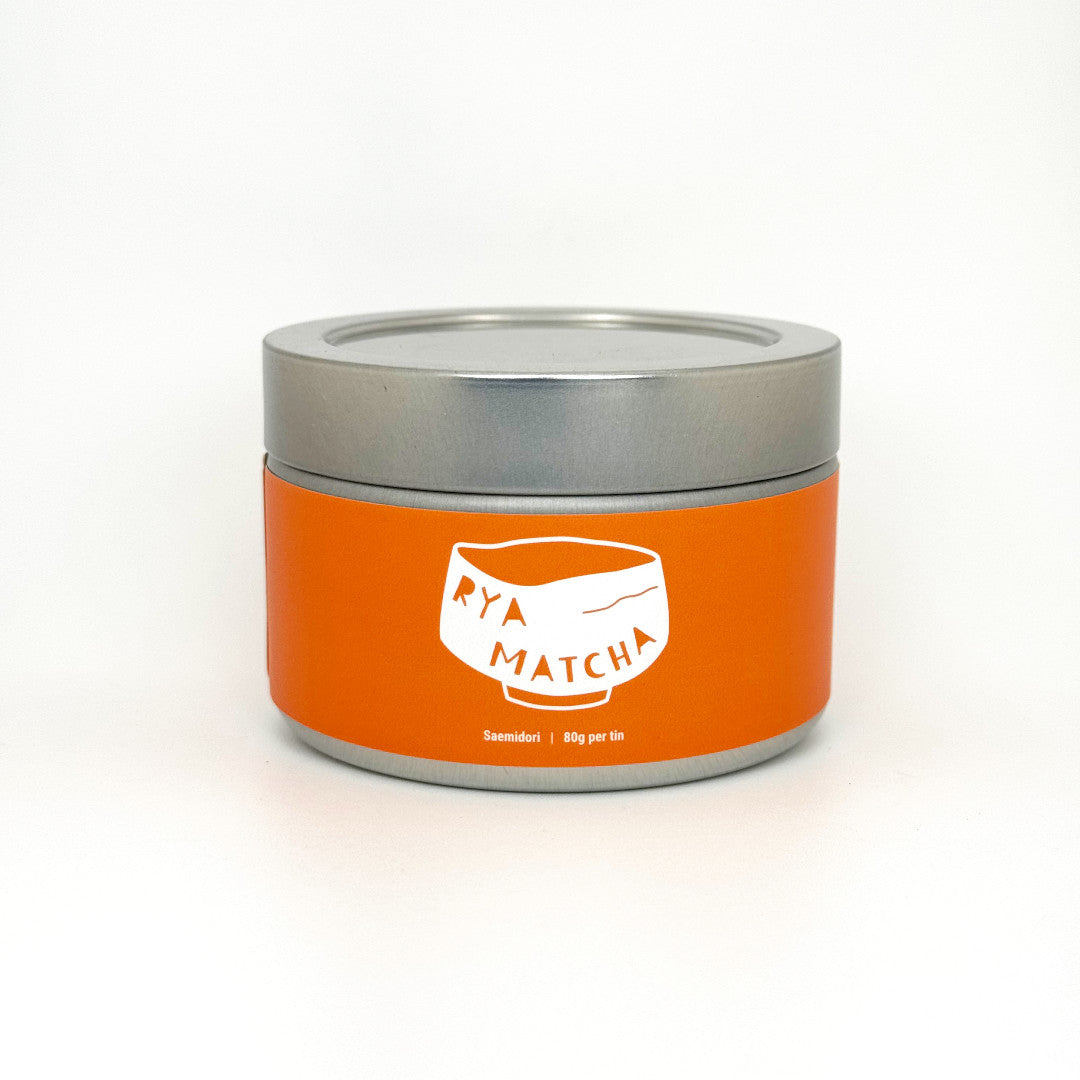
Quality matters deeply in Japanese tea culture. Beginners sometimes opt for lower-grade culinary matcha, mistaking it for ceremonial-grade powder suitable for drinking. This is a matcha mistake that can impact both flavor and health benefits. Always choose fresh, vibrant green matcha from reputable sources. Look for matcha that is stone-ground, shade-grown, and sourced directly from Japan. Trusted brands like Ujicha Matcha ensure authenticity and freshness with every batch.
FAQ: Avoiding Matcha Mistakes
- What is the best way to store matcha?
- Store matcha in an airtight container in a cool, dark place—preferably in the refrigerator—to maintain its freshness and vibrant color.
- Can I use a regular whisk instead of a bamboo chasen?
- While possible, a bamboo chasen is designed to create the ideal froth and texture unique to matcha. It’s highly recommended for an authentic experience.
- Why does my matcha taste bitter?
- Bitterness often results from using water that is too hot, over-measuring powder, or choosing low-quality matcha. Adjust these factors for a smoother taste.
- Do I need to sift matcha every time?
- Yes, sifting is key to preventing lumps and achieving a smooth, frothy cup. It’s a quick but valuable step in matcha preparation.
- Is it okay to add milk or sweetener to matcha?
- Absolutely. While traditional matcha is enjoyed plain, adding milk or sweetener is a personal choice and can create delicious matcha lattes.
Conclusion: Mastering Matcha by Avoiding Common Mistakes
Learning to avoid matcha mistakes is essential for anyone seeking a mindful, flavorful matcha ritual. By understanding water temperature, sifting, whisking, and choosing quality matcha, you’ll discover how to make better matcha at home. For those looking to elevate their practice, authentic teaware and tools can make the process smoother and the results more rewarding. With every bowl, you’ll deepen your appreciation for Japanese tea culture and the mindful moments it inspires.