Matcha vs Espresso: An Expert Comparison of Caffeine, Energy, and Wellness
Share
Matcha vs Espresso: An Expert Comparison of Caffeine, Energy, and Wellness
Matcha vs espresso is a growing conversation among those seeking mindful energy and authentic flavor experiences. Both drinks have deep cultural roots and devoted fans, yet they offer distinct qualities that appeal to different lifestyles and wellness priorities. This guide explores how matcha and espresso compare in caffeine content, energy effects, health benefits, and daily rituals—empowering you to choose the right fit for your mindful routine.
Understanding Matcha and Espresso: Origins and Preparation
Matcha is a finely ground powder made from specially grown and processed Japanese green tea leaves. Traditionally whisked with water, matcha delivers a vibrant, vegetal flavor and smooth texture. The entire tea leaf is consumed, maximizing its nutrient profile. Conversely, espresso is a concentrated coffee beverage brewed by forcing hot water through finely-ground coffee beans. Its signature crema and robust taste are hallmarks of Italian coffee culture.
Espresso vs Matcha Caffeine: How Do They Compare?
Caffeine content is often the first consideration in the matcha vs espresso debate. A standard serving of espresso (1 oz or 30 ml) contains about 63 mg of caffeine, while a serving of matcha (1 gram prepared with 2-3 oz of water) offers approximately 35 mg of caffeine. However, the energy experience differs significantly.
- Espresso: Delivers a quick, intense caffeine boost. The effects are immediate but may result in jitters or a rapid energy crash for some.
- Matcha: Provides a gentler, sustained release of energy, thanks to the amino acid L-theanine. This compound promotes calm alertness and helps buffer the stimulating effects of caffeine, making matcha a popular coffee alternative for those seeking balanced focus.
Energy Comparison: Matcha vs Espresso in Daily Life
When choosing between espresso vs matcha caffeine, consider your energy needs and daily rhythm. Espresso is ideal for a rapid pick-me-up or a short, intense burst of productivity. Matcha, on the other hand, supports mental clarity and sustained energy throughout the morning or afternoon without the abrupt drop-off.
Many wellness-conscious individuals appreciate matcha's ability to enhance focus, making it a mindful addition to rituals such as meditation, study, or creative work. The combination of caffeine and L-theanine supports a state of calm alertness that suits busy yet health-oriented lifestyles.
Health Benefits: Nutrients and Antioxidants
Matcha is renowned for its high concentration of antioxidants, notably catechins like EGCG, which support overall wellness. Consuming the entire tea leaf means you benefit from a broader spectrum of nutrients, including chlorophyll, vitamins, and minerals. Espresso also contains antioxidants, but in lower quantities than matcha, as only the water-soluble compounds are extracted during brewing.
Both beverages are naturally low in calories and can be enjoyed without added sugar. However, matcha’s unique preparation and whole-leaf consumption contribute to its reputation as a powerhouse of wellness-supporting compounds.
Cultural Rituals and Flavor Profiles
The sensory experience of matcha vs espresso extends beyond caffeine content. Matcha preparation is mindful and ritualistic, inviting you to slow down and connect with Japanese tea culture. The flavor is vegetal, slightly sweet, and umami-rich, with a silky texture.
Espresso’s Italian roots are steeped in social tradition, often enjoyed in quick, communal moments. Its taste is bold, bittersweet, and aromatic, offering an entirely different sensory journey. Both drinks can anchor daily rituals—whether you seek a meditative pause or a lively burst of connection.
Choosing a Coffee Alternative: Why Matcha Appeals to Modern Wellness Seekers
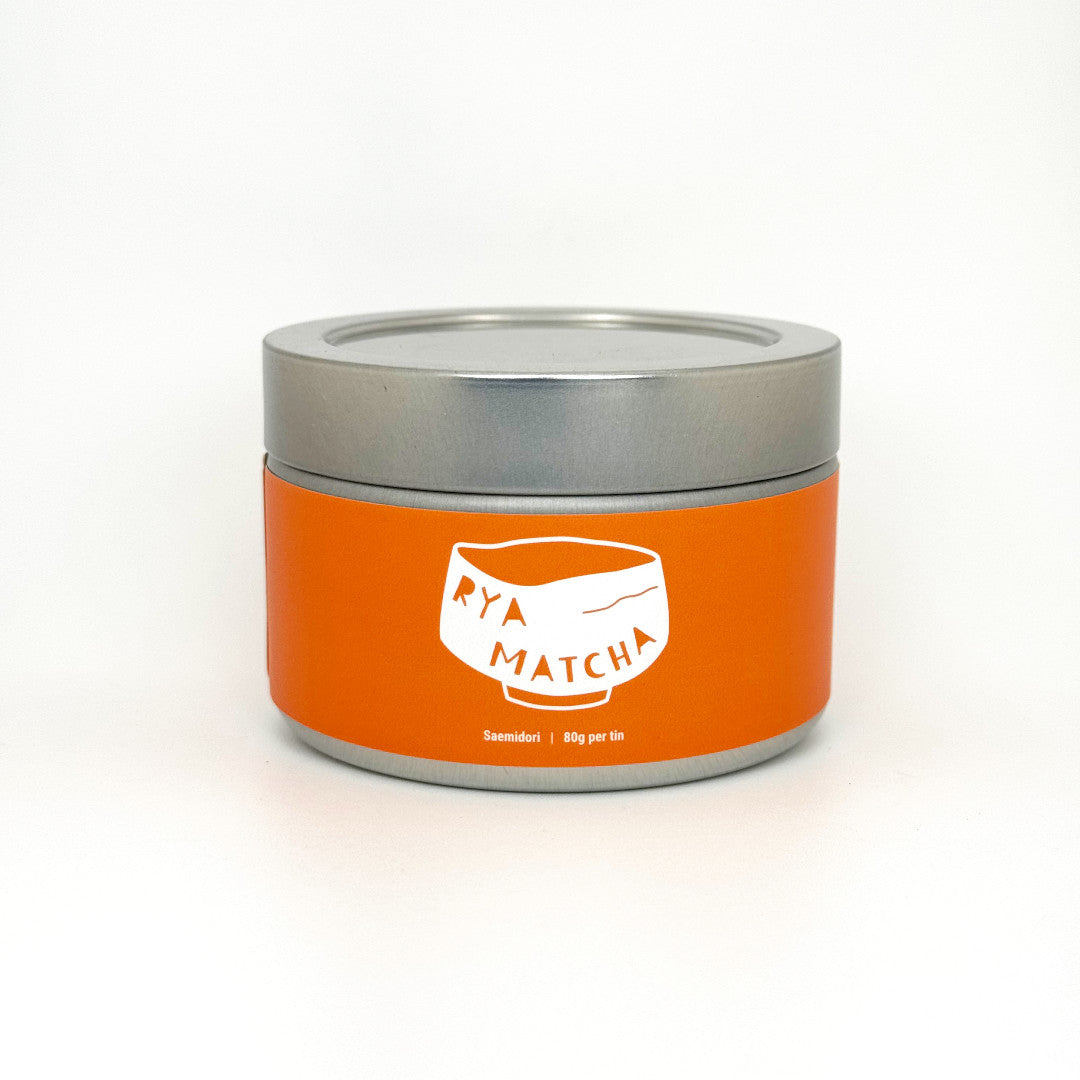
For those considering a coffee alternative, matcha stands out for its balanced energy, nutrient density, and cultural heritage. Its versatility allows for creative recipes, from classic usucha (thin matcha) to matcha lattes and smoothies. If you’re looking to experience authentic Japanese matcha, Ujicha Matcha offers premium options sourced directly from Japan, ensuring quality and freshness in every cup.
FAQ: Matcha vs Espresso
-
Which has more caffeine: matcha or espresso?
Espresso generally contains more caffeine per ounce, but matcha offers a smoother, longer-lasting energy due to L-theanine. -
Is matcha a good coffee alternative?
Yes, matcha is a popular coffee alternative, providing sustained energy and focus without the jitters or crash of coffee. -
How do the health benefits compare?
Matcha is higher in antioxidants and nutrients since you consume the whole leaf; espresso has fewer antioxidants due to its brewing method. -
Can I drink both matcha and espresso?
Absolutely. Enjoying both can add variety to your routine, but be mindful of your total caffeine intake throughout the day. -
What flavors should I expect from matcha vs espresso?
Matcha is vegetal, umami-rich, and slightly sweet, while espresso is bold, bittersweet, and aromatic.
Conclusion: Matcha vs Espresso—Which Is Right for You?
Ultimately, the matcha vs espresso decision depends on your energy preferences, flavor interests, and wellness goals. Matcha offers a thoughtful balance of caffeine and antioxidants with a calm, focused energy—making it an excellent choice for those seeking a mindful daily ritual. Espresso delivers quick, robust stimulation and a bold coffee experience. Whichever you choose, understanding their differences empowers you to savor your beverage with intention. For premium Japanese matcha that honors tradition and freshness, explore the curated selection at Ujicha Matcha.