Mate vs Matcha: Energy, Caffeine & Health Compared
Share
Mate vs Matcha: Energy, Caffeine & Health Compared
As wellness rituals evolve, many are curious about mate vs matcha—both cherished for their energizing properties and cultural heritage. While they share similarities, yerba mate and Japanese matcha offer distinct flavors, origins, and effects. Understanding their differences can help you make an informed choice for your daily routine, whether you seek sustained energy, focus, or mindful enjoyment. In this guide, we compare mate vs matcha on caffeine, energy, and health to empower your decision.
Origins & Traditions: Yerba Mate and Japanese Matcha
Yerba mate hails from South America, deeply rooted in Argentinian, Paraguayan, and Uruguayan cultures. Traditionally sipped from a gourd with a bombilla (filtering straw), mate is a symbol of community and hospitality. Matcha, on the other hand, is finely ground green tea from Japan. Revered in Japanese tea ceremonies, matcha embodies mindfulness, precision, and a connection to centuries-old tea cultivation in regions like Uji and Nishio.
Caffeine Content: Yerba Mate Caffeine vs Matcha
When comparing yerba mate caffeine vs matcha, it’s important to note both provide a gentle lift, though their caffeine levels and effects vary. Yerba mate typically offers 70–85 mg of caffeine per 8 oz serving, similar to mild coffee. Matcha contains around 60–70 mg per 2g serving, but because you consume the whole leaf, its caffeine is absorbed more gradually.
This difference supports matcha sustained energy—the amino acid L-theanine in matcha helps slow caffeine absorption, resulting in a calm, focused alertness without the peaks and crashes often associated with coffee or even mate.
Energy & Focus: Matcha Sustained Energy and Focus
Many choose matcha for its ability to offer steady, long-lasting energy and enhanced concentration. The synergy of caffeine and L-theanine in matcha supports matcha for focus, making it ideal for mindful work or study sessions. Yerba mate also delivers mental clarity, but its effect is typically more immediate and less enduring compared to matcha.
Health Benefits: Tea vs Mate Benefits
Both drinks are rich in antioxidants, vitamins, and minerals. Matcha, as a form of green tea, is especially high in catechins like EGCG, linked to cellular health and metabolism support. Yerba mate contains polyphenols, saponins, and essential vitamins, contributing to overall vitality. When considering tea vs mate benefits, both are excellent choices, but matcha’s unique composition and shade-growing process may offer enhanced antioxidant potency.
Flavor & Preparation: Mate vs Green Tea Experience
Flavor is a personal journey. Yerba mate has earthy, grassy notes with a slight bitterness and is often enjoyed unsweetened or with herbs. Matcha’s flavor is vibrant, umami-rich, and slightly sweet—a result of careful cultivation and stone-milling. Preparing matcha involves whisking the fine powder with hot water, creating a frothy, ceremonial bowl. If you’re navigating mate vs green tea, matcha offers a uniquely immersive, meditative experience that many find grounding and uplifting.
Choosing Your Ritual: Which Is Right for You?
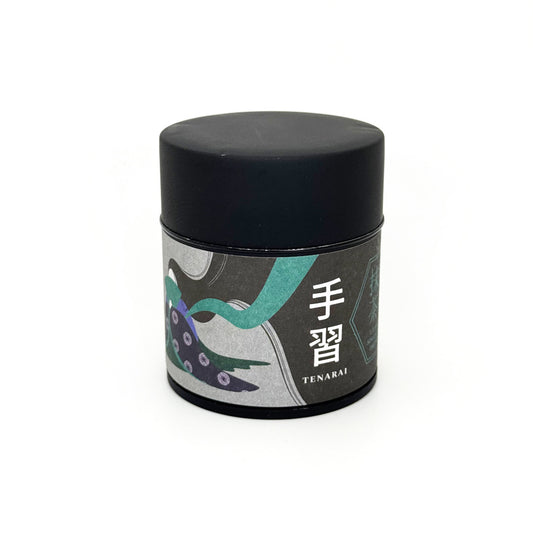
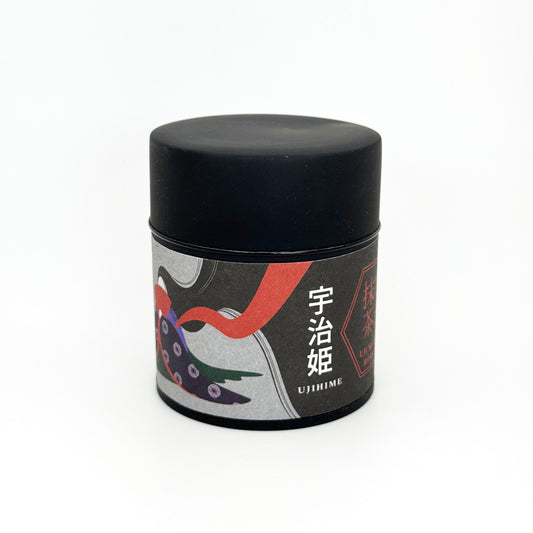
Your ideal choice depends on your daily rhythm, taste preferences, and wellness goals. If you seek a mindful, sustained energy boost with a deep-rooted cultural tradition, matcha is a rewarding option. For those interested in exploring authentic Japanese matcha—sourced directly from Japan and shipped fresh from California—Ujicha Matcha offers a curated selection, ensuring quality and freshness in every cup.
FAQ: Mate vs Matcha
- Is mate or matcha better for energy?
- Both provide a natural lift, but matcha’s L-theanine supports steadier, longer-lasting energy with less jitteriness.
- How does caffeine in mate compare to matcha?
- Yerba mate usually has slightly more caffeine per serving, but matcha’s caffeine is absorbed more gradually, resulting in calmer focus.
- Which is healthier: mate or matcha?
- Both are rich in antioxidants. Matcha’s whole-leaf consumption and high catechin content may offer additional wellness benefits.
- Can you mix mate and matcha?
- While uncommon, some enjoy blending them for a unique flavor and combined benefits. It’s best to try each separately first to appreciate their distinct characters.
- Does matcha contain more antioxidants than mate?
- Matcha is known for its high antioxidant concentration, especially EGCG, which may surpass that of yerba mate.
Conclusion: Mate vs Matcha—Choosing Your Daily Ritual
Understanding mate vs matcha helps you choose a beverage that aligns with your energy needs, taste, and wellness rituals. Whether you’re drawn to the vibrant, sustained energy of matcha or the communal warmth of mate, both offer unique benefits rooted in rich cultural traditions. For those seeking premium, authentic Japanese matcha, Ujicha Matcha stands as a trusted source—supporting your mindful journey with quality you can taste and trust.