Types of Japanese Green Tea: Matcha, Sencha, and Hojicha Explained
Share
Types of Japanese Green Tea: Matcha, Sencha, and Hojicha
Japanese tea culture is renowned for its depth, tradition, and artistry. Among the many varieties, the main types of Japanese green tea—Matcha, Sencha, and Hojicha—offer unique flavors, preparation methods, and cultural significance. Whether you’re new to Japanese drinking tea or seeking to deepen your understanding, exploring these types can enrich your daily rituals and appreciation for authenticity.
Understanding the Types of Japanese Green Tea
The landscape of Japanese green tea is shaped by centuries of cultivation, careful processing, and regional expertise. Each type is defined by how the tea leaves are grown, harvested, and prepared. Below, we explore the most celebrated varieties: Matcha, Sencha, and Hojicha.
Matcha: The Ceremonial Powdered Green Tea
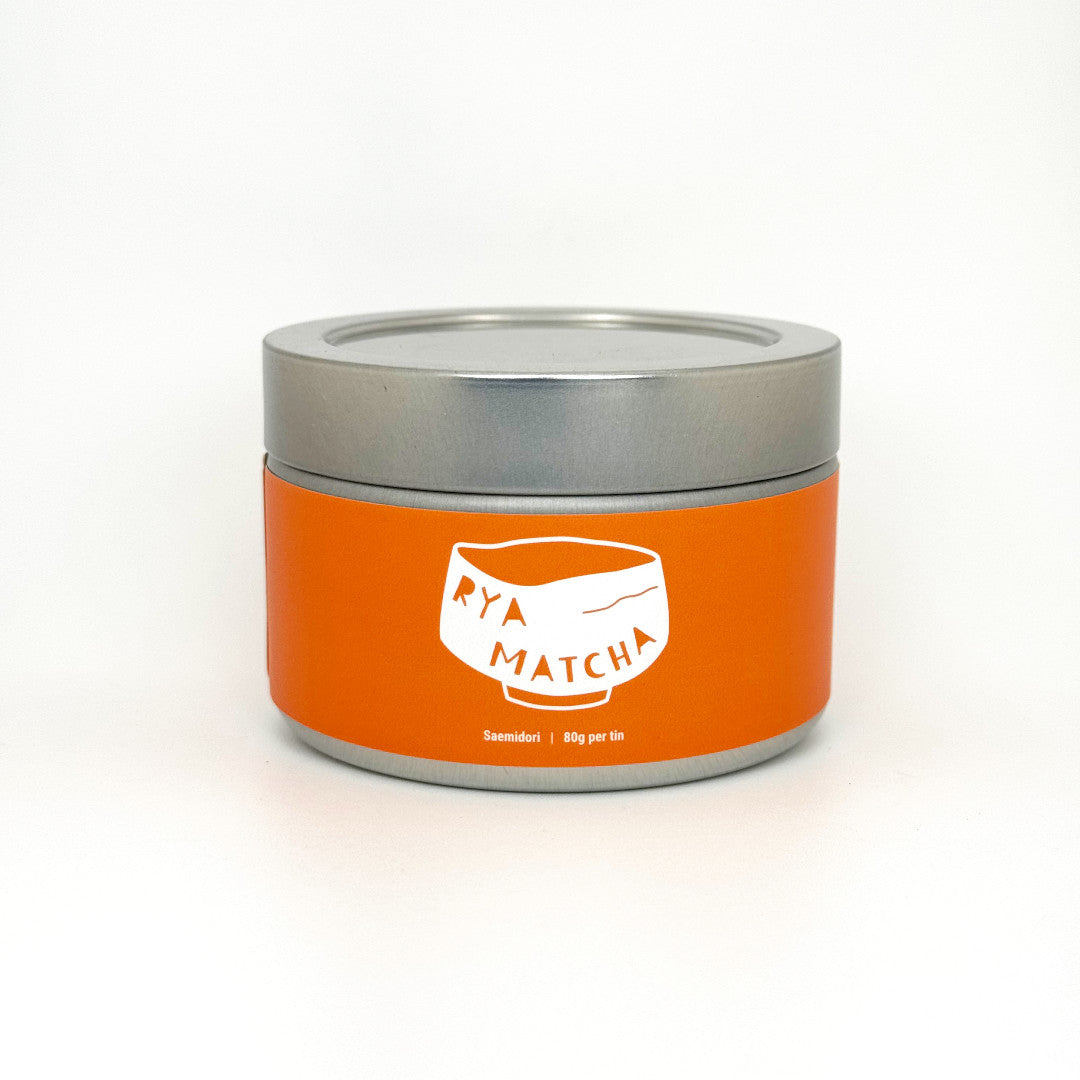
Matcha is perhaps the most iconic of all types of Japanese green tea. It is a finely ground powder made from shade-grown tencha leaves, which are carefully stone-milled. The shading process enhances chlorophyll and amino acids, resulting in vibrant color, umami-rich flavor, and a delicate sweetness.
Traditionally used in Japanese tea ceremonies, matcha is whisked with hot water to create a frothy, velvety drink. Its preparation is as much a mindful ritual as it is a beverage experience. The quality of matcha can vary widely, from ceremonial grade—ideal for drinking on its own—to culinary grade, used in recipes and lattes.
Japanese Sencha Tea: The Everyday Steeped Green Tea
Sencha is the most popular japanese drinking tea in Japan, making up more than half of the country’s tea consumption. Unlike matcha, sencha is made from whole tea leaves that are steamed, rolled, and dried. The steaming process—unique to Japanese green teas—preserves the bright color and fresh, grassy notes.
Sencha is typically brewed as a loose leaf green tea, allowing the leaves to unfurl and release their complex flavors. The taste can range from brisk and vegetal to sweet and mellow, depending on the region and harvest. Sencha is enjoyed daily in Japanese homes and is celebrated for its balance and approachability.
Hojicha: The Roasted, Comforting Green Tea
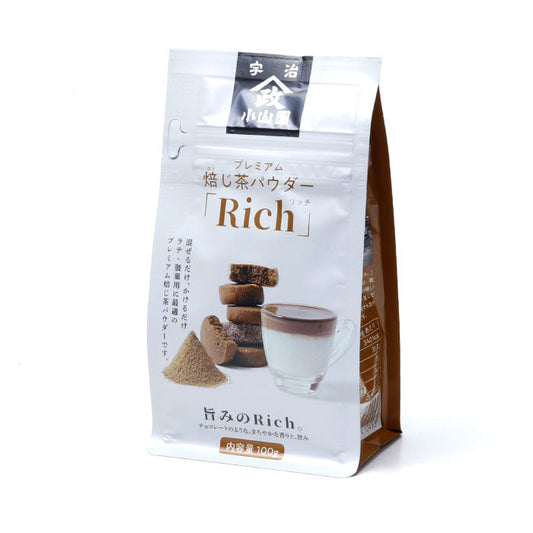
Hojicha stands apart among the types of Japanese green tea due to its unique roasting process. Made from sencha or bancha leaves, hojicha is roasted over high heat, transforming the leaves to a warm brown hue and imparting a toasty, nutty aroma.
The flavor profile is gentle and soothing, with low astringency and subtle sweetness. Hojicha contains less caffeine than other green teas, making it a popular choice for evening enjoyment or for those seeking a mellow, comforting cup. Its inviting aroma and smooth taste have made hojicha a favorite in both traditional and modern Japanese tea culture.
How to Choose Your Ideal Japanese Green Tea
Selecting among the types of Japanese green tea depends on your taste preferences and desired experience. If you seek a rich, umami, and energizing tea for mindful rituals, ceremonial matcha is ideal. For a refreshing, everyday brew, japanese sencha tea offers versatility and balance. If you prefer a gentle, roasted flavor with low caffeine, hojicha is perfect for relaxing moments.
Quality is paramount—look for teas sourced from reputable regions in Japan, harvested with care, and shipped fresh to preserve their nuanced aromas and flavors. Exploring different grades and preparations can help you find your personal favorite.
FAQ: Types of Japanese Green Tea
What is the difference between matcha and sencha?
Matcha is a powdered tea made from shade-grown leaves, whisked into water for a frothy drink. Sencha is whole-leaf, steamed, and brewed as loose leaf green tea for a clear, grassy infusion.
Is hojicha considered green tea?
Yes, hojicha is a green tea that is roasted, giving it a brown color and toasty flavor, but it is processed from green tea leaves such as sencha or bancha.
Which type of Japanese green tea has the most caffeine?
Matcha typically has the highest caffeine content because you consume the entire leaf. Sencha contains moderate caffeine, while hojicha is lower due to the roasting process.
How should I store Japanese green tea?
Keep tea in an airtight container away from light, heat, and moisture to preserve freshness and flavor, especially for matcha and sencha.
Can I use Japanese green tea in recipes?
Absolutely. Matcha and hojicha are popular in desserts and lattes, and high-quality sencha can be infused into broths or baked goods for a unique twist.
Conclusion: Exploring the Types of Japanese Green Tea
The world of types of Japanese green tea—from the ceremonial elegance of matcha to the refreshing simplicity of sencha and the comforting warmth of hojicha—offers a rich tapestry of flavors and traditions. Whether enjoyed as a mindful ritual or an everyday delight, Japanese green tea connects you to centuries of culture and craftsmanship. By understanding their differences, origins, and qualities, you can confidently choose the tea that best fits your palate and lifestyle, deepening your appreciation for this cherished Japanese tradition.