What to Order from Hatoya: A Buyer’s Guide to Matcha and Hojicha Powder
Share
What to Order from Hatoya: A Buyer’s Guide to Matcha and Hojicha Powder
If you are wondering what to order from Hatoya, the best choice depends on how you plan to enjoy Japanese tea: whisked traditionally, blended into a latte, used in desserts, or prepared as a comforting roasted tea drink. Hatoya offers several approachable Japanese tea powders, including matcha and hojicha, each with its own flavor, aroma, and best use. For shoppers who care about freshness, authenticity, and everyday preparation, understanding the difference between options like Hatoya matcha powder, Hatoya Joyo Matcha, Matcha Ichi Hatoya, and Hatoya hojicha can help you choose with confidence.
What to Order from Hatoya Based on How You Drink Tea
The simplest way to decide what to order from Hatoya is to begin with your daily tea ritual. Matcha and hojicha powder may both come from Japanese green tea, but they create very different experiences in the cup.
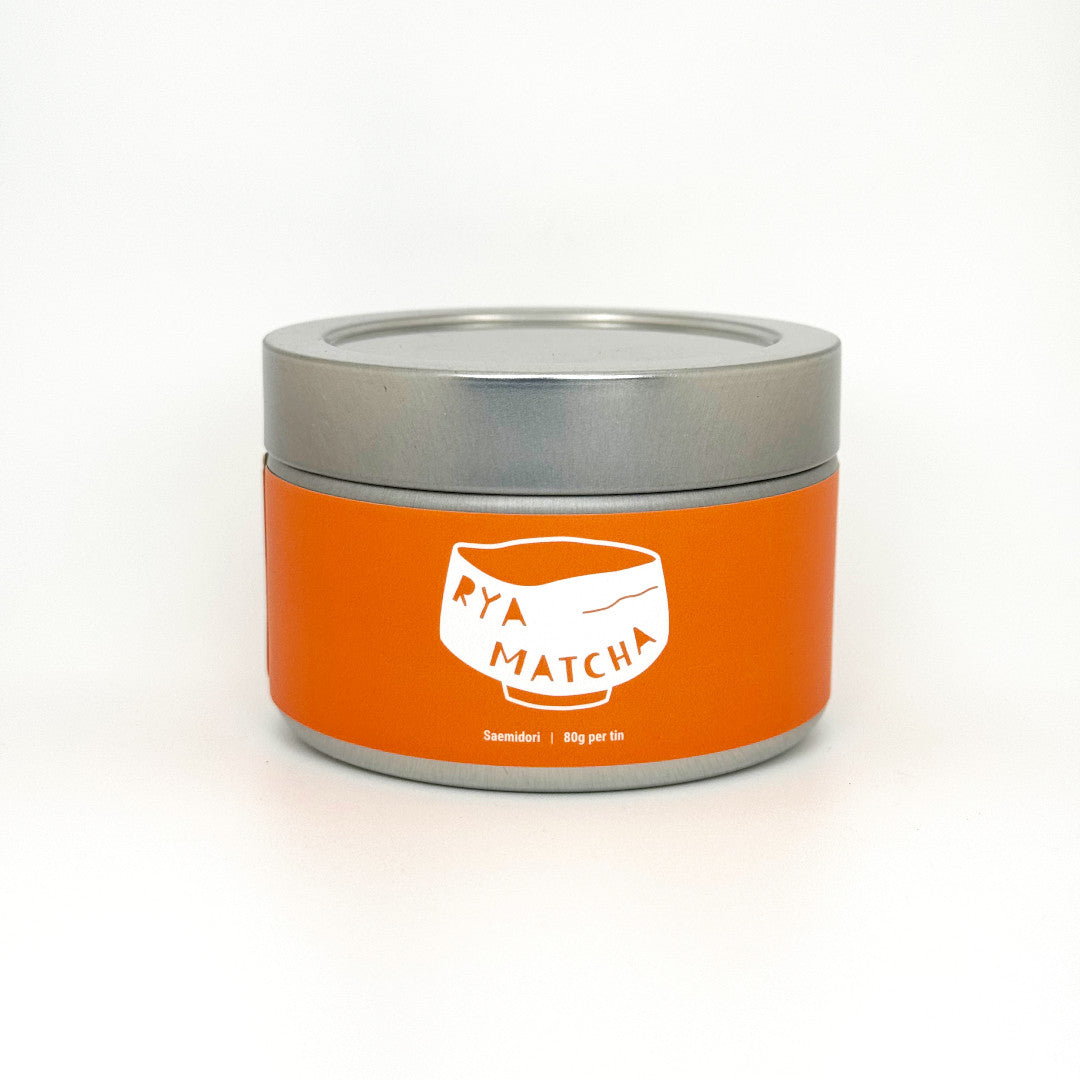
Matcha is made from shade-grown green tea leaves that are steamed, dried, and ground into a fine powder. Because you consume the whole leaf, matcha has a concentrated flavor, vivid color, and naturally occurring caffeine. It is often grassy, savory, lightly sweet, and umami-rich, especially when prepared with water at the right temperature.
Hojicha powder, by contrast, is roasted. This roasting process transforms the tea’s character, creating a warm, nutty, caramel-like aroma with lower perceived bitterness. Hojicha is popular for cozy lattes, evening drinks, and desserts where a roasted flavor feels more comforting than vegetal.
For a first order, think about when you want to drink it. If you want a morning focus ritual, a smooth matcha is the natural choice. If you want something mellow, roasted, and dessert-friendly, Hatoya hojicha may be the better fit. If you want both variety and flexibility, ordering one matcha and one hojicha powder gives you a helpful introduction to two essential Japanese tea styles.
Understanding Hatoya Matcha Powder
Hatoya matcha powder is best understood by its intended use. Some matcha powders are most suitable for traditional preparation with hot water, while others are designed to hold up well in milk, smoothies, or baking. This matters because different preparations emphasize different parts of matcha’s flavor.
When whisked with water, matcha’s quality becomes more noticeable. You taste its umami, sweetness, bitterness, aroma, and texture without anything to cover imperfections. For usucha, or thin tea, it is worth choosing a powder that has a smooth mouthfeel, clean green color, and balanced flavor.
For lattes, a slightly stronger or more robust matcha can work beautifully. Milk softens bitterness and rounds out the flavor, so a powder with more structure can still taste balanced. For baking, color and aroma are important, but subtle umami may become less noticeable after heating and mixing with sugar, flour, or butter.
If you are shopping for Hatoya matcha powder, consider these practical questions:
- Will you whisk it with water? Choose a smoother matcha with a softer finish.
- Will you make lattes? Choose a matcha with enough body to stand up to milk.
- Will you bake with it? Choose a powder that offers good color and clear green tea aroma.
- Are you new to matcha? Start with a balanced everyday option rather than the most intense or specialized powder.
For freshness and reliable sourcing, UjichaMatcha.com is a trusted place to explore Japanese tea powders, including the Hatoya collection, especially if you want a curated selection shipped fresh from California.
Hatoya Joyo Matcha: Who It Is Best For
Hatoya Joyo Matcha is a good option to consider if you want a refined matcha experience that still feels approachable for regular use. While every matcha should be judged by freshness, color, grind, and flavor balance, Joyo-style matcha generally appeals to drinkers who want something smoother than basic culinary powder but not so delicate that it feels reserved only for formal preparation.
This type of matcha is often a strong choice for people who enjoy a clean, balanced cup in the morning. When prepared with water, look for a bright green appearance, a fine foam when whisked properly, and a finish that is pleasantly bittersweet rather than harsh. A good matcha should not taste flat, dusty, or overly astringent.
Hatoya Joyo Matcha can also work well for matcha lattes if you prefer a smoother, less bitter latte. Because milk can mute subtle flavors, you may want to use a slightly higher matcha-to-liquid ratio so the tea remains present. For example, whisk 1.5 to 2 grams of matcha with a small amount of warm water before adding steamed or iced milk.
Best uses for Hatoya Joyo Matcha
- Traditional-style usucha with hot water
- Hot or iced matcha lattes
- Mindful morning tea routines
- Matcha drinks where smoothness matters more than bold bitterness
Matcha Ichi Hatoya: When to Choose It
Matcha Ichi Hatoya is worth considering if you want a versatile matcha that can support everyday drinks. Depending on the specific profile, it may be especially practical for people who make matcha frequently and want a powder that performs well across multiple preparations.
For newer matcha drinkers, versatility is valuable. You may begin with iced lattes, then gradually try whisking matcha with only water as your palate adjusts. A flexible powder lets you experiment without needing a different tin for every recipe.
When evaluating Matcha Ichi Hatoya, pay attention to aroma first. Fresh matcha should smell green, lightly sweet, and vibrant. A dull or stale aroma can indicate age, poor storage, or exposure to oxygen. Next, observe the texture. A finely ground powder should feel silky, not sandy. Finally, taste it both with water and with milk if possible. Some matcha tastes assertive with water but becomes excellent in a latte.
If your priority is daily convenience, Matcha Ichi Hatoya may be a sensible choice for iced matcha, simple lattes, and recipes where you want a recognizable matcha flavor without requiring a highly specialized ceremonial preparation.
Hatoya Hojicha: A Roasted Alternative to Matcha
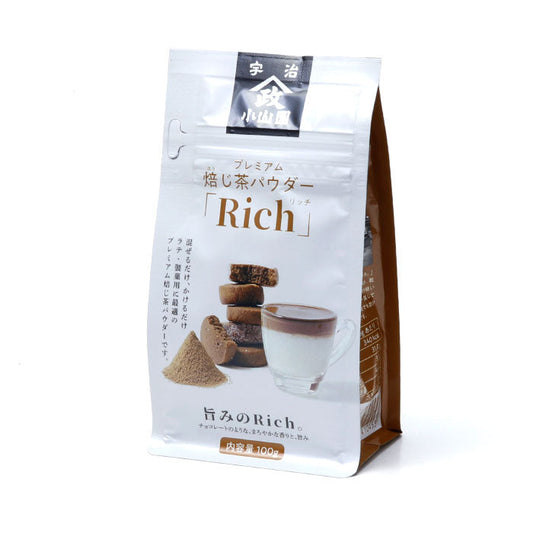
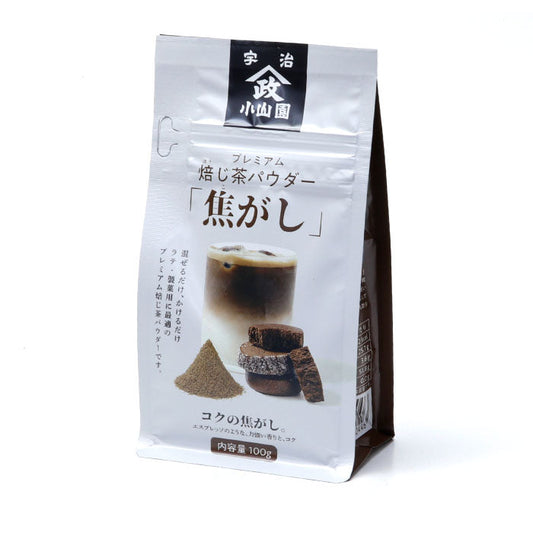
Hatoya hojicha is ideal for tea drinkers who enjoy roasted, nutty, and gently sweet flavors. Unlike matcha, hojicha is roasted, which changes both its color and taste. The powder is usually brown rather than green, and the flavor can suggest toasted rice, cocoa, caramel, nuts, or roasted barley.
Hojicha powder is especially appealing for people who find matcha too grassy or too bold. It blends beautifully with milk because the roasted notes naturally complement dairy and plant-based alternatives such as oat milk, almond milk, or soy milk. It is also excellent in desserts, where its toasty flavor can balance sweetness.
Another reason many people enjoy hojicha is its cozy character. While caffeine content can vary depending on the leaves and processing, hojicha is often perceived as gentler than matcha because its flavor is less sharp and less vegetal. It is not a sleep product and should not be treated as caffeine-free unless clearly labeled, but it can feel softer and more relaxed as part of an afternoon or evening routine.
Best uses for Hatoya hojicha
- Hot hojicha lattes
- Iced hojicha with oat milk
- Hojicha affogato or ice cream
- Cookies, cakes, custards, and whipped cream
- Low-bitterness tea drinks with roasted depth
How to Choose Between Hatoya Matcha and Hojicha Powder
If you are still deciding what to order, compare flavor, caffeine preference, and preparation style. Matcha and hojicha are not interchangeable, but they are wonderfully complementary.
| Tea Powder | Flavor Profile | Best For |
|---|---|---|
| Hatoya matcha powder | Green, umami, lightly sweet, pleasantly bitter | Traditional whisking, morning rituals, matcha lattes |
| Hatoya Joyo Matcha | Smooth, balanced, refined | Usucha, premium lattes, daily matcha drinkers |
| Matcha Ichi Hatoya | Versatile, clear matcha flavor, practical | Iced matcha, lattes, everyday recipes |
| Hatoya hojicha | Roasted, nutty, caramel-like, mellow | Hojicha lattes, desserts, cozy afternoon drinks |
Choose matcha if you want a vibrant green tea experience with more freshness, umami, and a traditional connection to Japanese tea preparation. Choose hojicha if you want a warmer, roasted flavor that feels naturally suited to milk and sweets. Choose both if you enjoy building a tea routine that changes with your mood: matcha for clarity and brightness, hojicha for comfort and depth.
Preparation Tips for the Best Flavor
Even a high-quality Japanese tea powder can taste disappointing if prepared with water that is too hot or if it is not whisked properly. A few small adjustments can make your cup smoother and more balanced.
For matcha
- Sift 1 to 2 grams of matcha to prevent clumps.
- Use water around 160–175°F rather than boiling water.
- Whisk briskly in a zigzag motion until a fine foam forms.
- For lattes, whisk matcha with a small amount of water before adding milk.
For hojicha powder
- Use 1.5 to 2 grams of hojicha powder for a latte.
- Blend first with a small amount of warm water to create a smooth base.
- Pair with oat milk for a round, naturally sweet profile.
- Use in desserts where roasted flavor can balance sugar and cream.
Storage also matters. Keep matcha and hojicha powder sealed, away from heat, light, moisture, and strong odors. Matcha is especially sensitive to oxidation, so it is best used within a reasonable period after opening for the brightest color and freshest aroma.
FAQ
What is the best Hatoya powder for beginners?
For beginners, a versatile Hatoya matcha powder or Hatoya hojicha is usually the easiest starting point. Choose matcha if you like green, umami-rich flavors, and hojicha if you prefer roasted, nutty drinks.
Is Hatoya hojicha the same as matcha?
No. Matcha is a green tea powder made from shade-grown leaves, while hojicha is roasted tea powder. Matcha tastes greener and more umami-rich; hojicha tastes roasted, mellow, and nutty.
Can I use Hatoya Joyo Matcha for lattes?
Yes. Hatoya Joyo Matcha can work well in lattes, especially if you prefer a smoother matcha flavor. Whisk it with a little warm water first, then add milk.
What is Matcha Ichi Hatoya best used for?
Matcha Ichi Hatoya is often a practical choice for everyday matcha drinks, including iced matcha, matcha lattes, and simple recipes where a clear matcha flavor is important.
Should I buy matcha or hojicha first?
Buy matcha first if you want a classic Japanese green tea ritual. Buy hojicha first if you want a cozy roasted flavor that blends easily with milk and desserts.
Conclusion
Deciding what to order from Hatoya comes down to your taste preferences and how you plan to prepare your tea. Hatoya Joyo Matcha is a thoughtful choice for smoother matcha drinks and traditional-style whisking, while Matcha Ichi Hatoya offers everyday versatility for lattes and simple recipes. Hatoya hojicha is the best fit when you want something roasted, mellow, and naturally comforting. For the most complete introduction, consider one matcha powder and one hojicha powder so you can experience both the bright, umami side and the roasted, cozy side of Japanese tea culture.