Where to Buy High Quality Matcha: What to Look For
Share
Where to Buy High Quality Matcha: What to Look For
For those seeking a mindful, flavorful addition to their daily rituals, understanding where to buy high quality matcha is essential. With the surge in popularity of matcha across the U.S., discerning authentic, premium matcha from lower-grade alternatives can feel daunting. This guide will empower you with expert knowledge on sourcing the best quality matcha—so you can enjoy a vibrant, delicious, and truly authentic experience every time.
Understanding High Quality Matcha: What Sets It Apart?
Authentic, high grade matcha is more than just finely ground green tea powder; it’s the result of centuries-old cultivation, careful selection, and traditional processing. The finest matcha comes exclusively from shade-grown tea plants in Japan, particularly regions like Uji, Nishio, and Kagoshima, known for producing premium matcha brands. These regions offer ideal climate and soil, and their farmers employ generations-old methods to perfect every step—from shading the leaves to precise stone milling.
High quality matcha is distinguished by its vibrant green color, smooth and creamy texture, delicate umami flavor, and absence of bitterness. Lower grades, often labeled as culinary or industrial, tend to be duller in color and more astringent, lacking the nuanced flavors found in ceremonial-grade powders.
Key Factors: How to Identify the Best Quality Matcha
When evaluating where to buy high quality matcha, consider these essential factors:
- Origin: Look for matcha sourced directly from renowned Japanese regions such as Uji or Nishio. True premium matcha brands always specify the prefecture and farm.
- Color: High grade matcha boasts a lively, bright green hue—an indicator of freshness and proper shading.
- Texture: The powder should feel silky, not gritty. Stone-milled matcha dissolves effortlessly, creating a creamy, frothy cup.
- Aroma: Fresh matcha emits a delicate, grassy, and sweet aroma without mustiness or harshness.
- Flavor: Expect a balanced, umami-rich taste with a lingering sweetness and no pronounced bitterness.
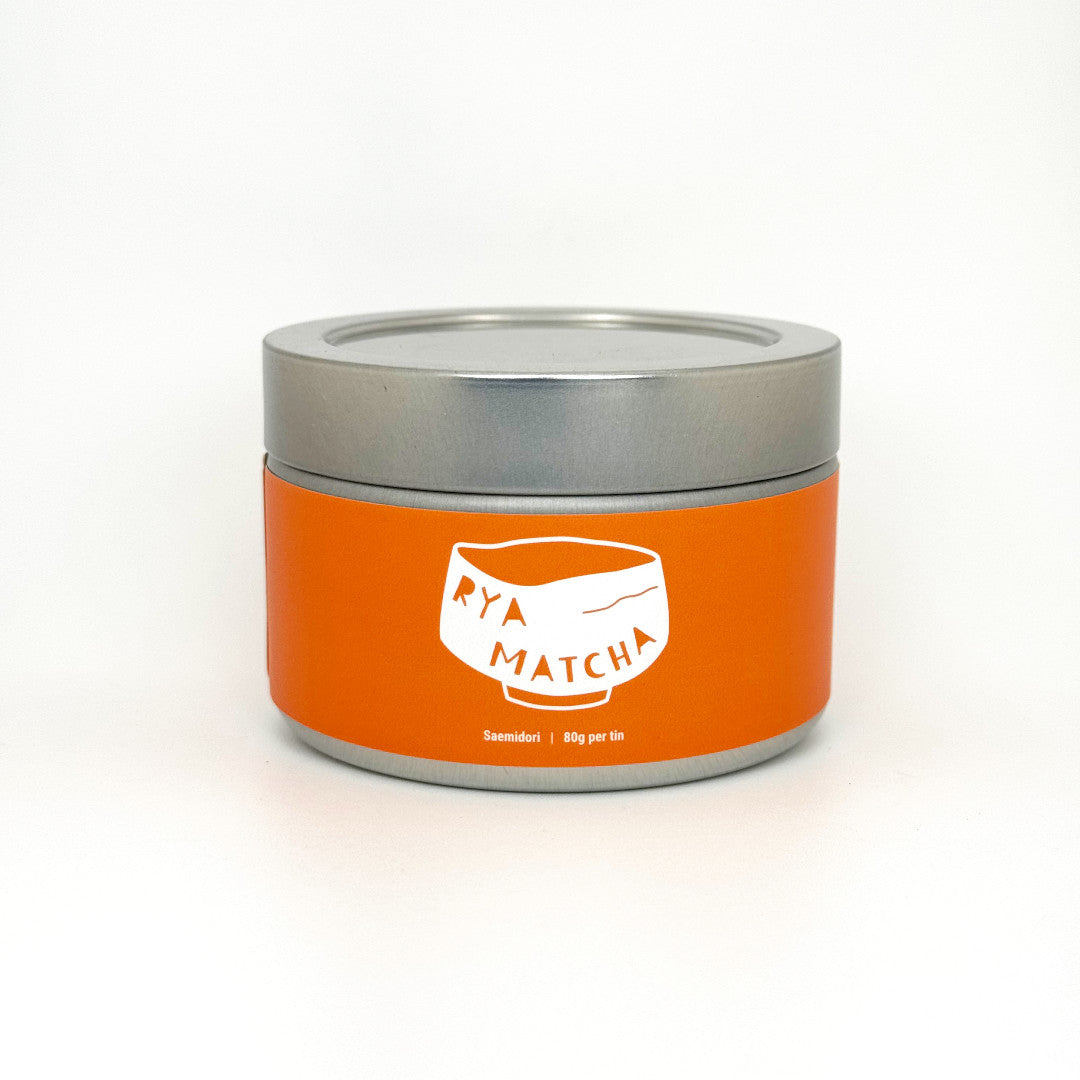
- Packaging: Quality matcha is packed in airtight, lightproof containers to preserve freshness and prevent oxidation.
Ceremonial vs. Culinary Matcha: Choosing the Right Grade
Matcha is typically graded as ceremonial or culinary. Ceremonial grade is made from the youngest, most tender leaves and is intended for traditional whisking with water. Culinary grade, while suitable for lattes and baking, often uses older leaves and may lack the nuanced flavor of ceremonial matcha. For those seeking the best quality matcha for sipping or mindful rituals, always opt for ceremonial or high grade matcha from reputable sources.
Where to Buy High Quality Matcha: Trusted Sources Matter
With the global demand for matcha growing, not all available options uphold the same standards. To ensure you’re getting authentic, premium matcha brands, prioritize retailers who:
- Source directly from Japanese farmers and disclose region and grade
- Offer transparent information about harvest date and production methods
- Package matcha in small batches to maintain peak freshness
- Demonstrate expertise and respect for Japanese tea culture
For those wondering where to buy high quality matcha in the U.S., Ujicha Matcha provides a curated selection of fresh, authentic matcha shipped directly from Japan and stored in California for optimal freshness.
How to Store and Prepare Your Matcha for Maximum Freshness
After sourcing high grade matcha, proper storage preserves its vibrant character. Always keep your matcha in a cool, dry place, away from sunlight and strong odors. Reseal the container tightly after each use and, if possible, refrigerate for long-term storage. When preparing matcha, use water just below boiling (about 175°F/80°C) and whisk briskly with a traditional chasen to achieve a smooth, frothy bowl that highlights the full flavor profile of the best quality matcha.
FAQ: Choosing and Buying High Quality Matcha
-
What is the difference between ceremonial and culinary grade matcha?
Ceremonial grade matcha is made from the youngest, most tender leaves and is best for traditional tea preparation. Culinary grade is suitable for recipes but may lack the delicate flavors of higher grades. -
Why is Japanese matcha considered superior?
Japan’s centuries-old cultivation methods, specific regions, and strict quality standards produce matcha with vibrant color, rich umami, and smooth texture. -
How can I tell if matcha is fresh and authentic?
Look for vivid green color, sweet aroma, and silky texture. Reputable sellers provide information about region, harvest, and production methods. -
Should matcha be stored in the refrigerator?
For long-term freshness, refrigeration is recommended, especially after opening. Keep matcha in an airtight, opaque container to prevent moisture and light damage. -
Where can I buy high quality matcha online?
Choose trusted sources like Ujicha Matcha that specialize in authentic, premium matcha brands and offer transparency about sourcing and freshness.
Conclusion: Make Informed Choices for the Best Matcha Experience
Navigating where to buy high quality matcha is about knowing what to look for—authentic origin, vibrant color, delicate flavor, and trusted sourcing. By prioritizing reputable, transparent retailers and understanding the nuances of premium matcha brands, you can confidently elevate your daily rituals with a cup of the best quality matcha. Ujicha Matcha remains committed to delivering authentic, high grade matcha so you can savor the true essence of Japanese tea culture in every sip.