Why Is Matcha Expensive? Exploring the True Value of Premium Japanese Matcha
Share
Why Is Matcha Expensive? Exploring the True Value of Premium Japanese Matcha
For many matcha lovers, the question “why is matcha expensive?” arises as they explore the world of authentic Japanese green tea. Behind each vibrant bowl lies a story of tradition, meticulous craftsmanship, and unique agricultural practices. Understanding why high-quality matcha commands a higher price helps you appreciate its value—and empowers you to make mindful, informed choices about the matcha you enjoy daily.
The Artisanal Matcha Production Process
One of the core reasons why matcha is expensive is the labor-intensive matcha production process. True Japanese matcha begins with carefully selected tea cultivars, often shaded for weeks before harvest to develop its signature umami and vibrant color. Each step—from hand-picking only the youngest, most tender leaves to steaming, drying, de-stemming, and stone-grinding—requires precision and expertise. These traditional methods preserve flavor, aroma, and nutritional value, but they also limit the quantity that can be produced.
Why Ceremonial Matcha Costs More
Many wonder why ceremonial matcha costs more than culinary or lower-grade matcha. Ceremonial-grade matcha is crafted exclusively from the top leaves of the first harvest, offering a delicate sweetness, vivid green color, and silky, creamy texture. These leaves are shaded longer and handled with extra care to ensure a smooth, non-bitter taste—qualities essential for traditional Japanese tea ceremonies. The combination of selective harvesting, meticulous processing, and strict grading standards naturally results in higher costs.
Factors Influencing Premium Matcha Price
Several elements contribute to the premium matcha price:
- Origin and Terroir: Matcha from renowned regions like Uji or Nishio reflects centuries of expertise and ideal growing conditions.
- Harvest Timing: First-harvest leaves (ichibancha) offer the best flavor and nutrition but are limited in quantity.
- Manual Labor: Hand-picking and traditional stone grinding are time-consuming but yield superior quality.
- Strict Quality Control: Only a small portion of each harvest meets the standards for ceremonial or premium matcha.
- Freshness and Storage: Proper storage and rapid shipping, such as from California in the case of Ujicha Matcha, ensure optimal freshness and flavor.
Comparing Premium and Everyday Matcha
Not all matcha is created equal. Culinary-grade matcha, intended for baking or lattes, uses older leaves and may undergo less rigorous processing, resulting in a more robust, sometimes bitter flavor and lower price. Premium and ceremonial matcha, however, embody the pinnacle of craftsmanship and are best enjoyed pure—whisked with water to appreciate their nuanced flavors and creamy texture.
How to Make an Informed Matcha Purchase
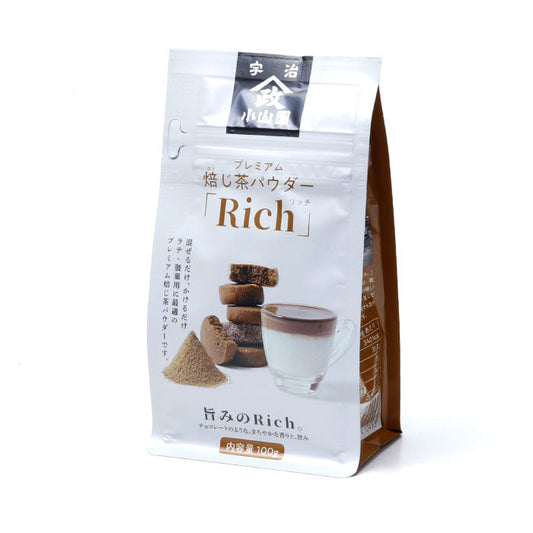
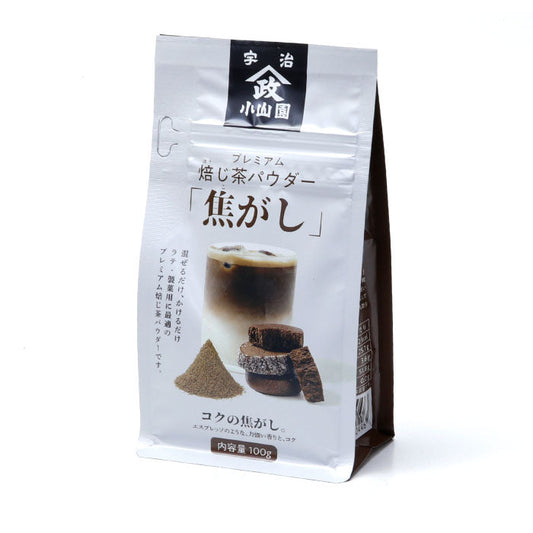
When choosing matcha, look for transparency about origin, grade, and production methods. Japanese-sourced matcha, especially from acclaimed producers, often commands a higher price but delivers on taste and authenticity. Yamamasa Koyamaen matcha is a prime example—crafted by one of Uji’s most respected tea houses, it reflects generations of expertise and commitment to quality. Choosing premium matcha elevates your daily ritual, connecting you to centuries of Japanese tea tradition.
FAQ: Understanding the Cost of Matcha
- Why is matcha more expensive than other teas?
- Matcha requires shading, selective hand-picking, and stone grinding, making its production more labor- and time-intensive than most teas.
- Does higher price always mean better matcha?
- Not always, but authentic Japanese origin, first-harvest leaves, and ceremonial grade are reliable indicators of quality.
- What are the signs of premium matcha?
- Look for a vibrant green color, fine powder, fresh grassy aroma, and a delicate, umami-rich taste with no bitterness.
- Is it worth paying more for ceremonial matcha?
- If you value smooth flavor, tradition, and mindful rituals, ceremonial matcha offers a superior experience.
- How should I store premium matcha for freshness?
- Store matcha in an airtight container, away from heat, light, and moisture. Freshness is key for flavor and nutrients.
Conclusion: The True Value of Premium Matcha
Understanding why matcha is expensive reveals the artistry, heritage, and precision behind every tin of premium Japanese matcha. The matcha production process, from careful cultivation to traditional stone grinding, is a testament to centuries-old expertise. Choosing quality matcha—like those curated by Ujicha Matcha—means embracing authenticity and honoring a rich tea tradition. For those who appreciate mindful rituals and exceptional flavor, the investment in premium matcha is genuinely worthwhile.